The district of Mettmann is world-famous - even if hardly anyone in Africa or America knows the name of the region. However, the name of a former inhabitant is very prominent: the remains of the Neanderthal man were found here more than 150 years ago. The district of Mettmann is thus the first place in the world where a Neanderthal was found and is therefore also known as Neanderland.
Researchers owe the discovery of the skeleton in 1856 to lime mining, which began in the 19th century in the course of industrialization. During the work, miners in the caves came across the skeletal remains, which were later identified as early human remains. The region owes its name to the theologian and hymn writer Joachim Neander, who held church services and composed hymns in the then narrow and deep gorge in the 17th century.
Discovery site in Neanderland
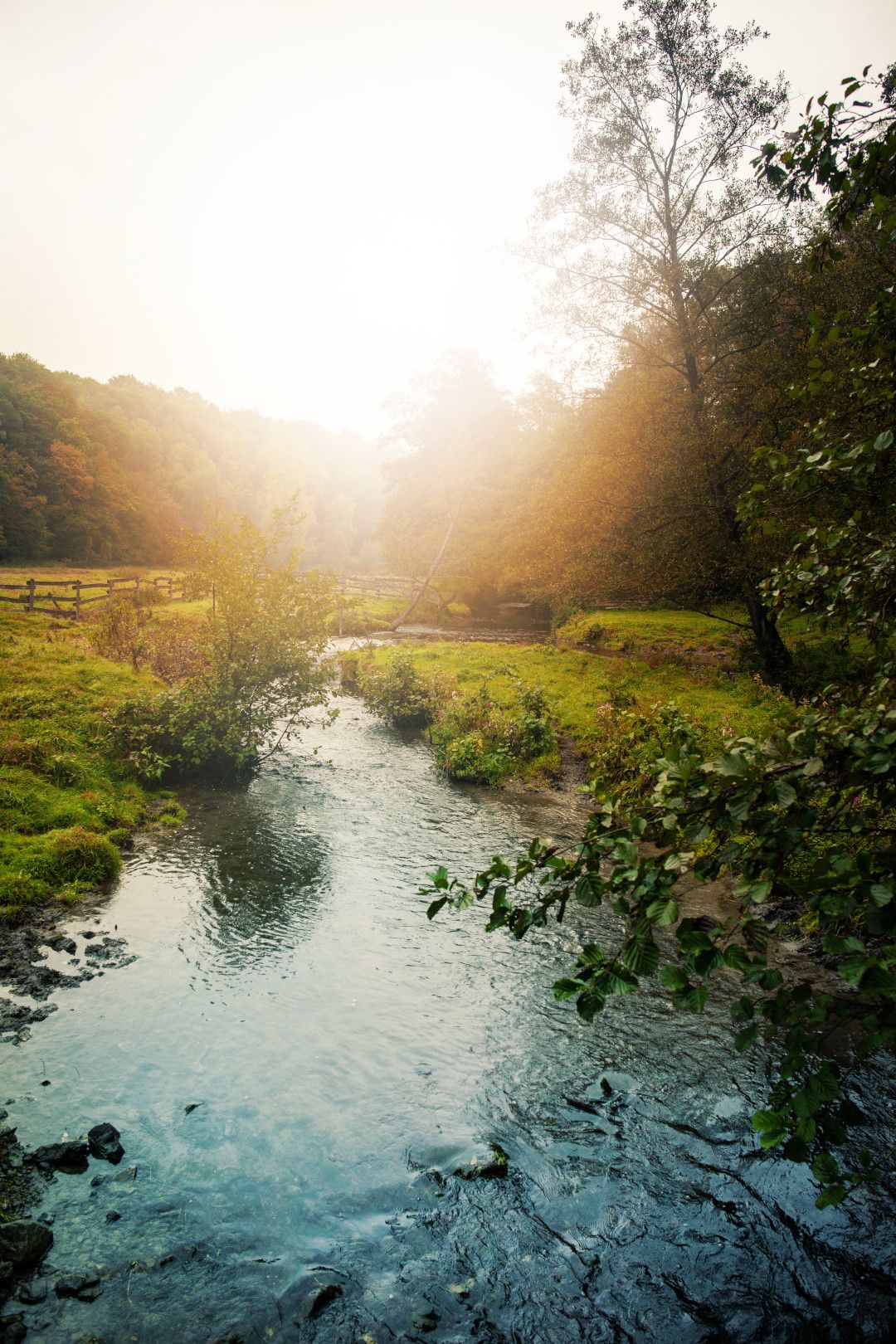
Today, the valley is no longer narrow and deep and the waterfalls, cliffs and caves have largely disappeared. Instead, beech, hornbeam and ravine forests have taken over the region, covering the hills and slopes and bathing the former quarries in lush green.
The small Feldhofer Grotte, the famous site where the Neanderthal man was found, no longer exists. Instead, the multimedia adventure tower "Höhlenblick", which rises 22 meters into the air and is crowned by a fifty-fold enlarged skull replica of the original find, provides virtual insights into the Stone Age. The large climbing net inside the tower, which conveys a sense of the valley's once deep ravines, is exciting for those with a head for heights.
Neanderthal Museum
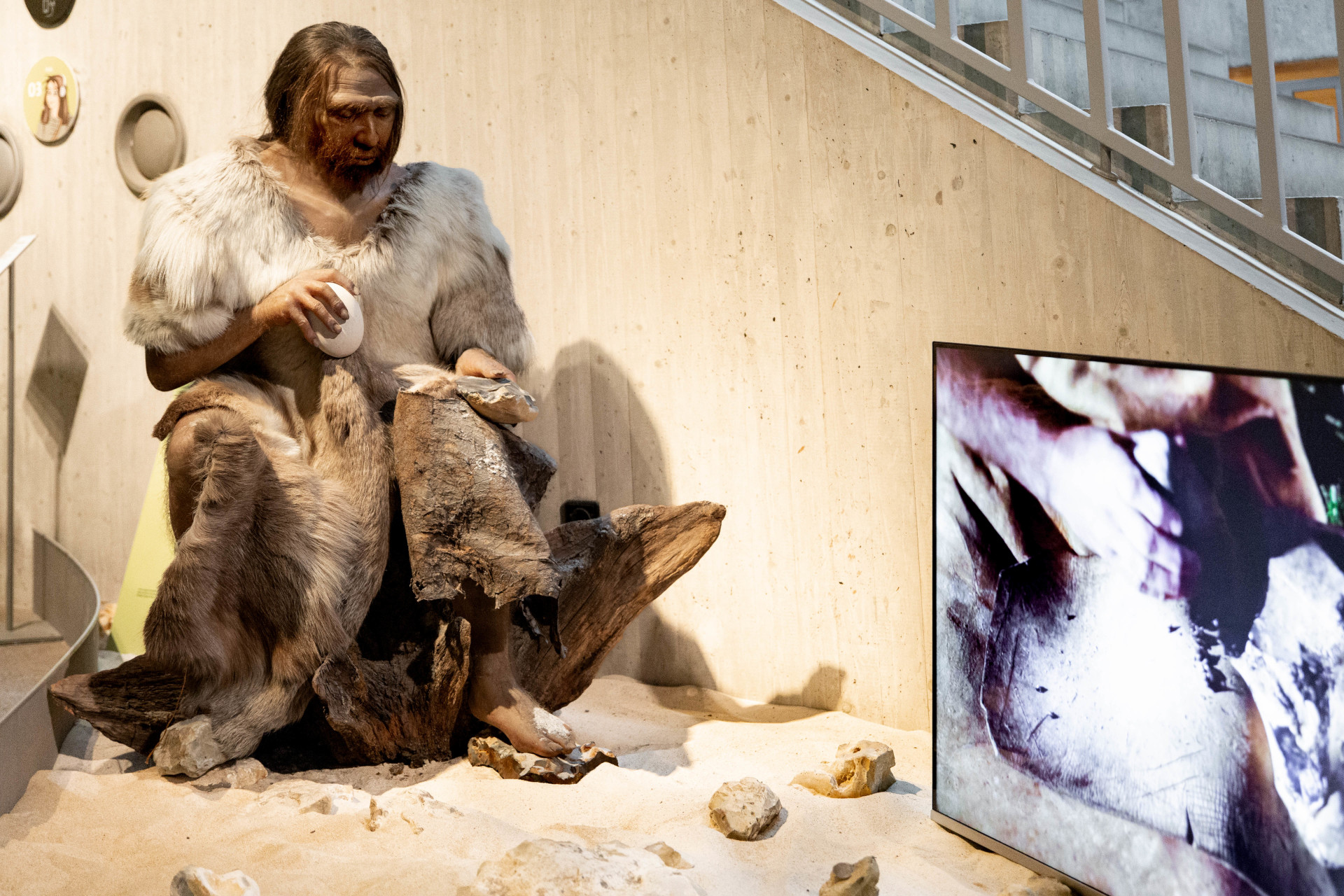
There is even more to discover in the nearby Neanderthal Museum, which illustrates the history of mankind from its beginnings in the African savannah more than four million years ago to the present day. Flint blades can be produced in the Stone Age workshop and those who wish can equip themselves with a bow and arrow for a true-to-life Ice Age hunt.
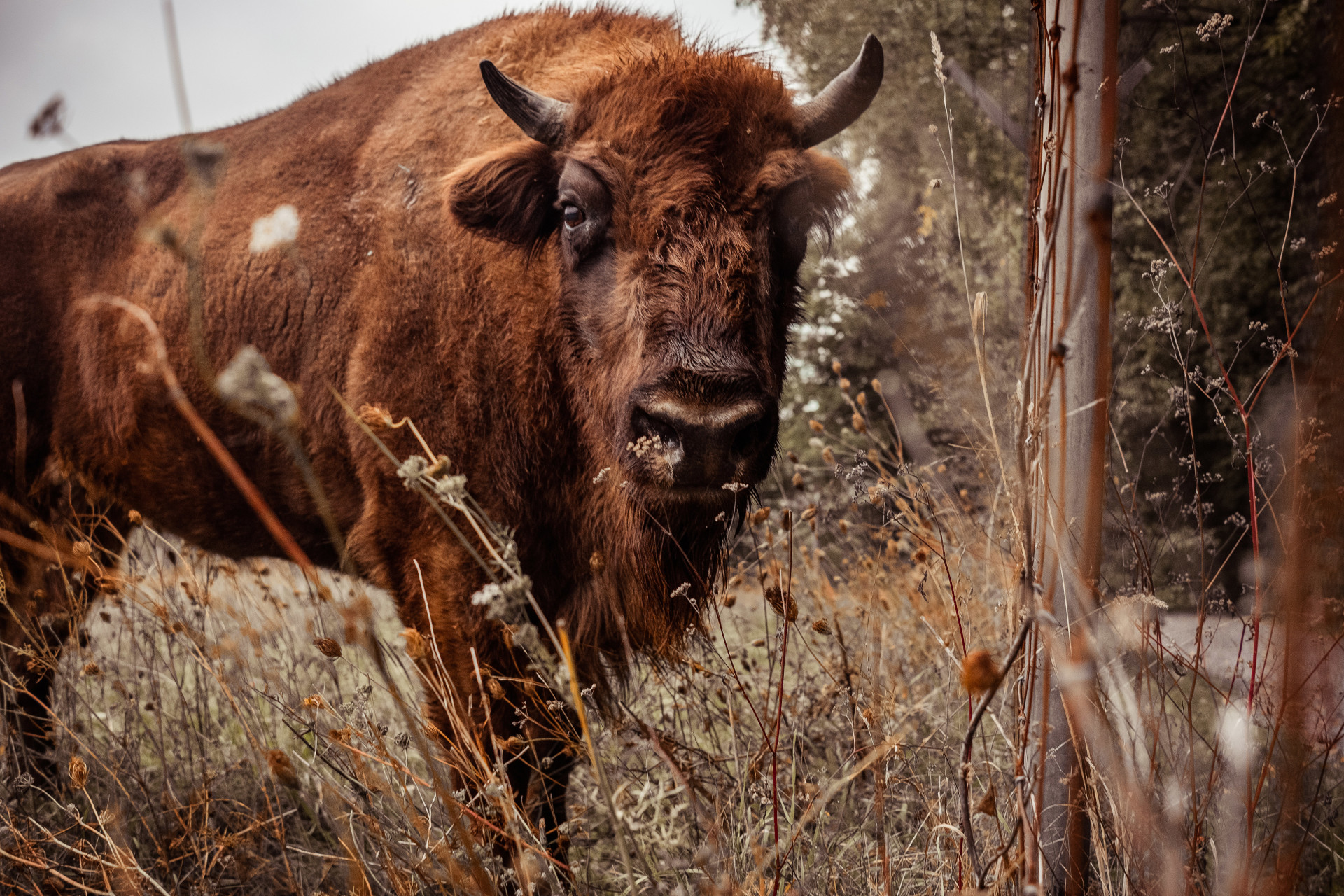
But be careful: weapons must be put to rest in the nearby Ice Age game reserve. This is home to bison, aurochs and wild horses that were once found in the Ice Age and became extinct in Europe hundreds of years ago. Visitors can marvel at these primeval animals up close.