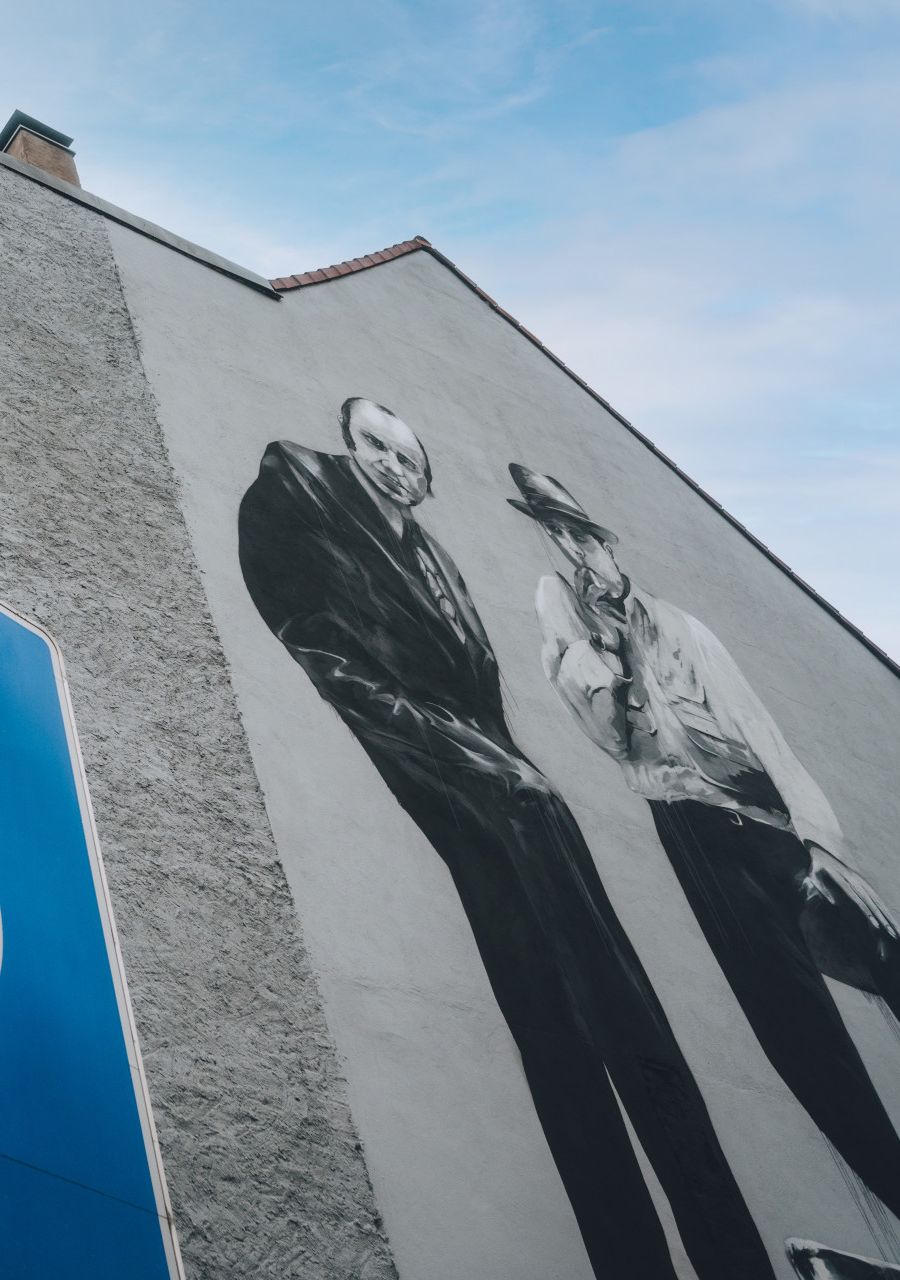
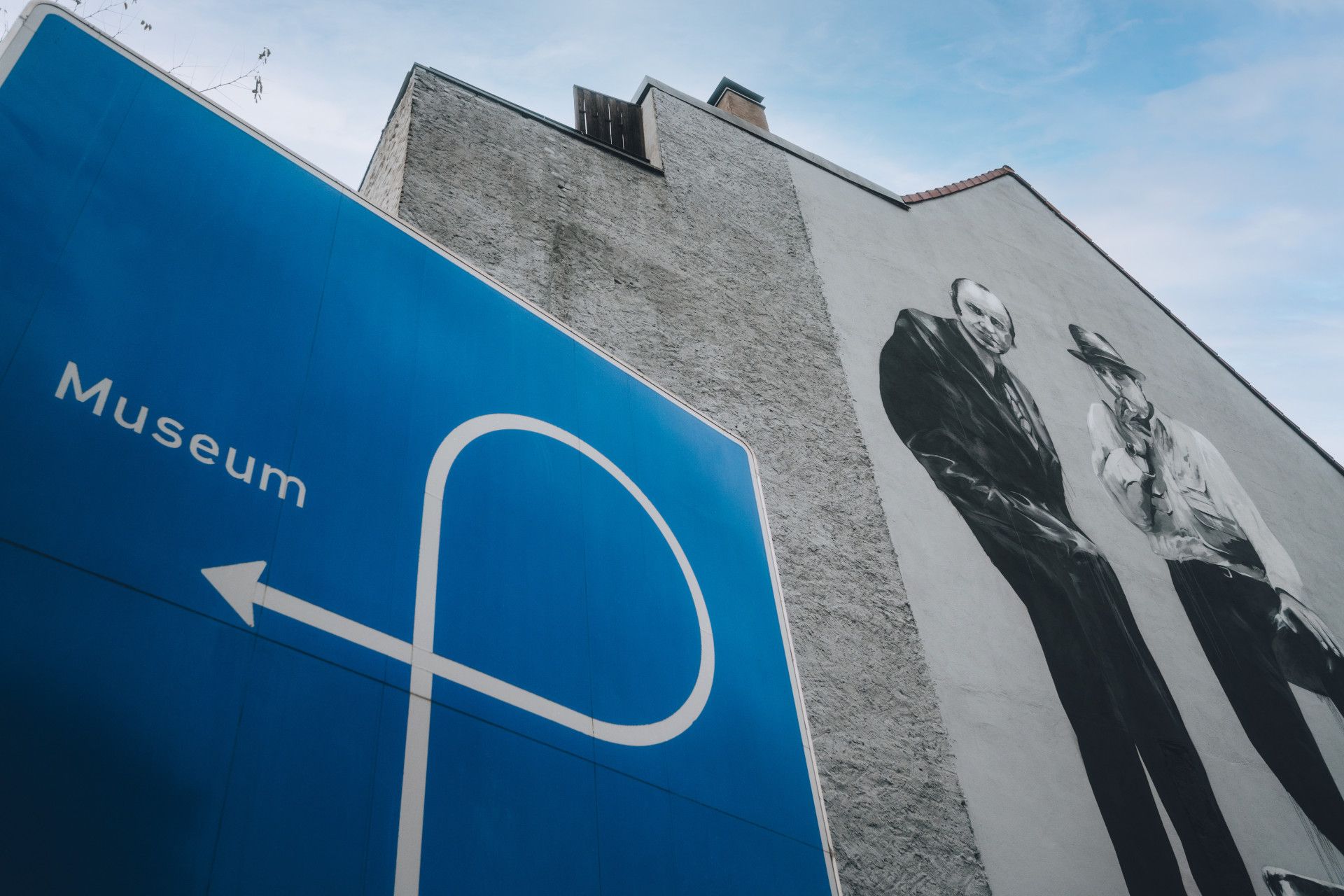
A large mural in Mönchengladbach shows Hans Hollein and Joseph Beuys
© Johannes Höhn,Tourismus NRW e.V. StreetArt-Künstler Philipp Kömen, A large mural in Mönchengladbach shows Hans Hollein and Joseph Beuys

On the way to Joseph Beuys

Joseph Beuys once sparked new trends in the art world. Even today, he continues to inspire people – and is the reason for this short trip: let's take the train to the stations of his life. His birthplace, his first studio and other places where the world-famous Rhinelander worked are all along the way. 

Beautiful landscapes and interesting cities line the tour, which leads from the Lower Rhine to the edge of the Ruhr area and via Düsseldorf to Mönchengladbach. Fortunately, there are plenty of places to stay overnight at the stops along the way, making this trip a comfortable cultural getaway. 

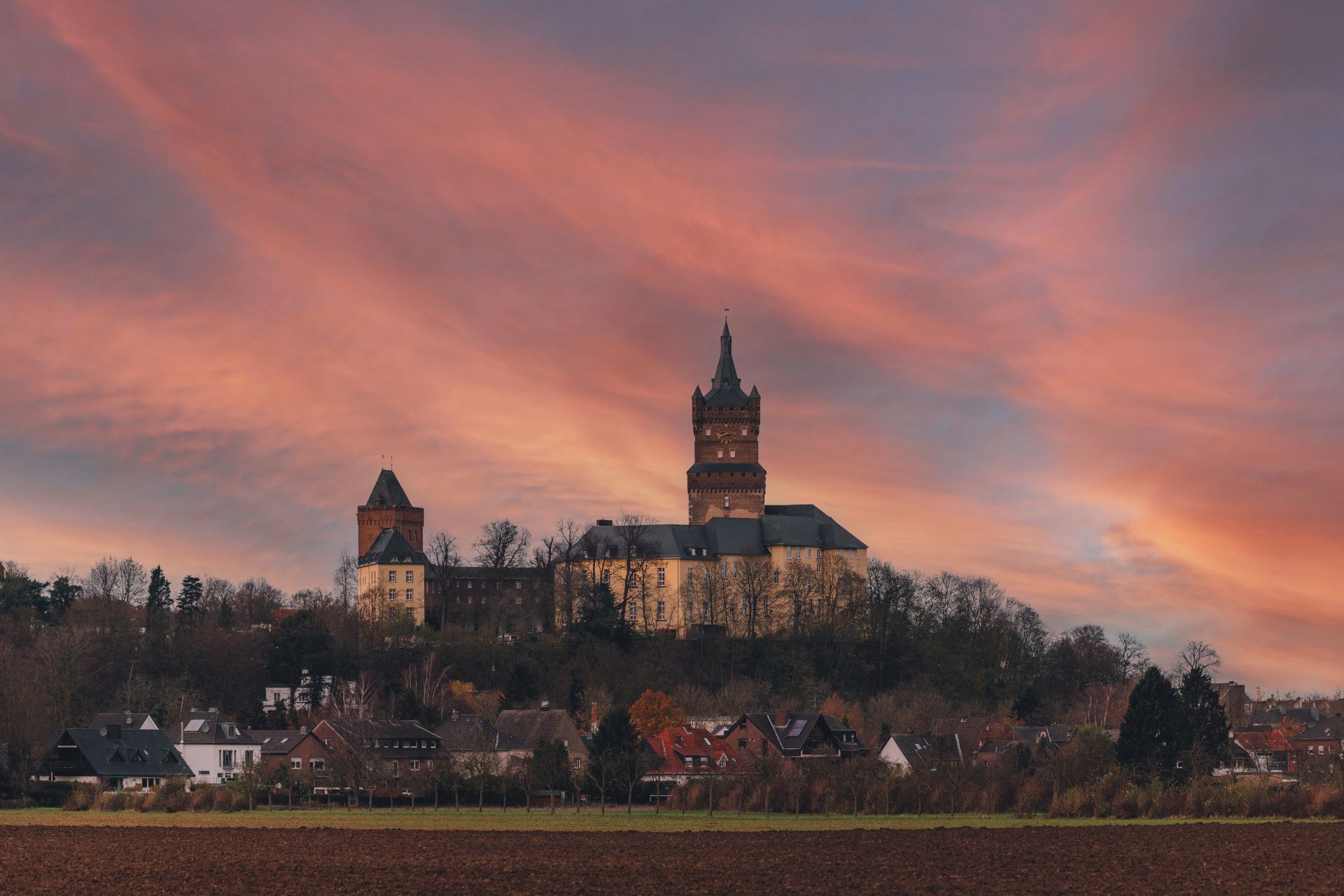
Schwanenburg ragt über Häuser von Kleve in roten Morgenhimmel
Johannes Höhn, Tourismus NRW e.V., Schwanenburg in Kleve
First stop:

Kleve

Joseph Beuys grew up on the Lower Rhine, just before the Dutch border, where he took his first steps and later found his way to art. His first studio was located in the town beneath the Schwanenburg castle.
Learn more about Kleve

The beginnings

Art in the Kurhaus

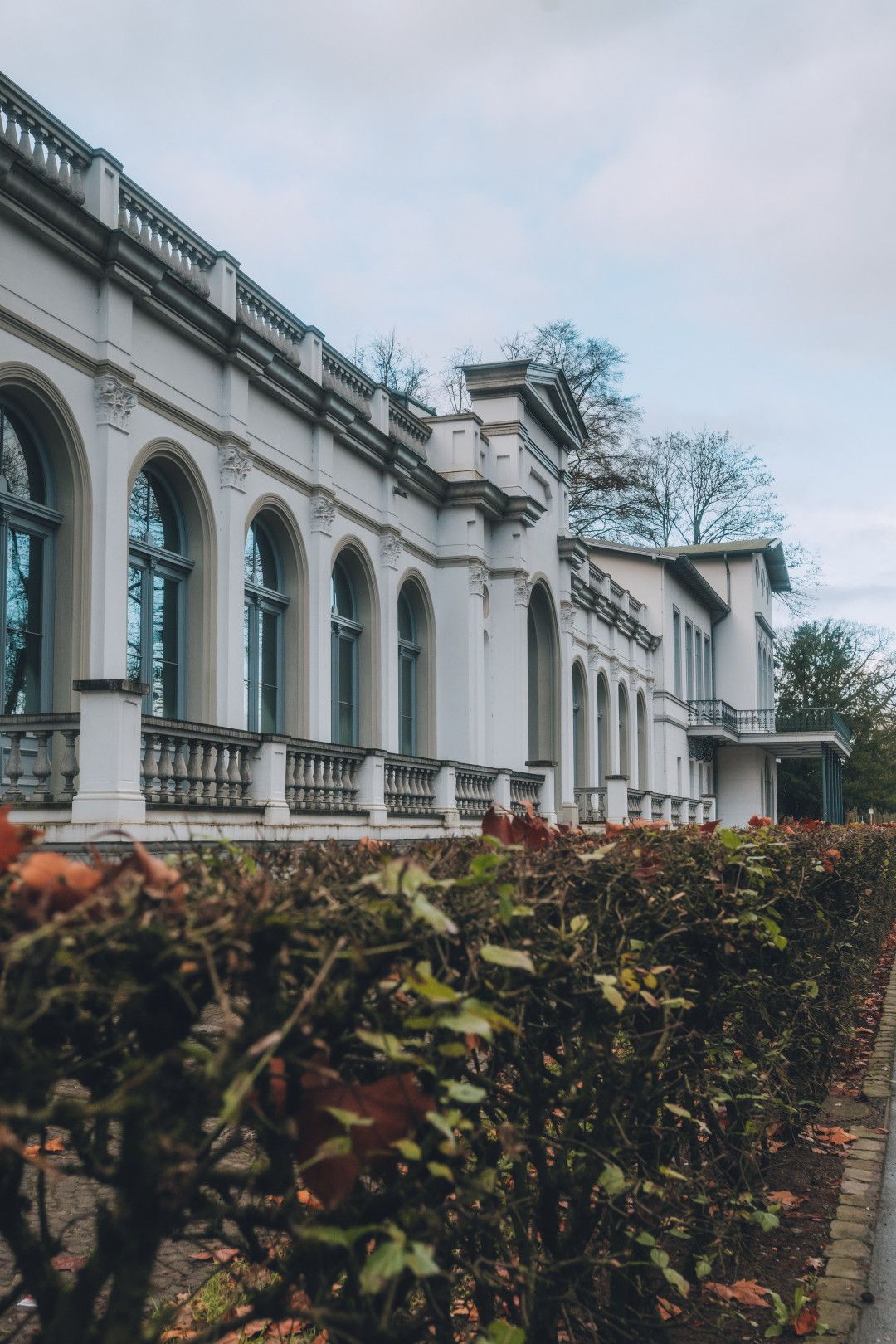
My journey begins in Kleve, where many things also began for Joseph Beuys. His home on the Lower Rhine left its mark on him, but he also left visible traces. In the former Kurhaus in Kleve, now an art museum, his first studio can be seen alongside his early work. For seven years, from 1957 to 1964, Joseph Beuys worked in the then run-down Kurhaus.

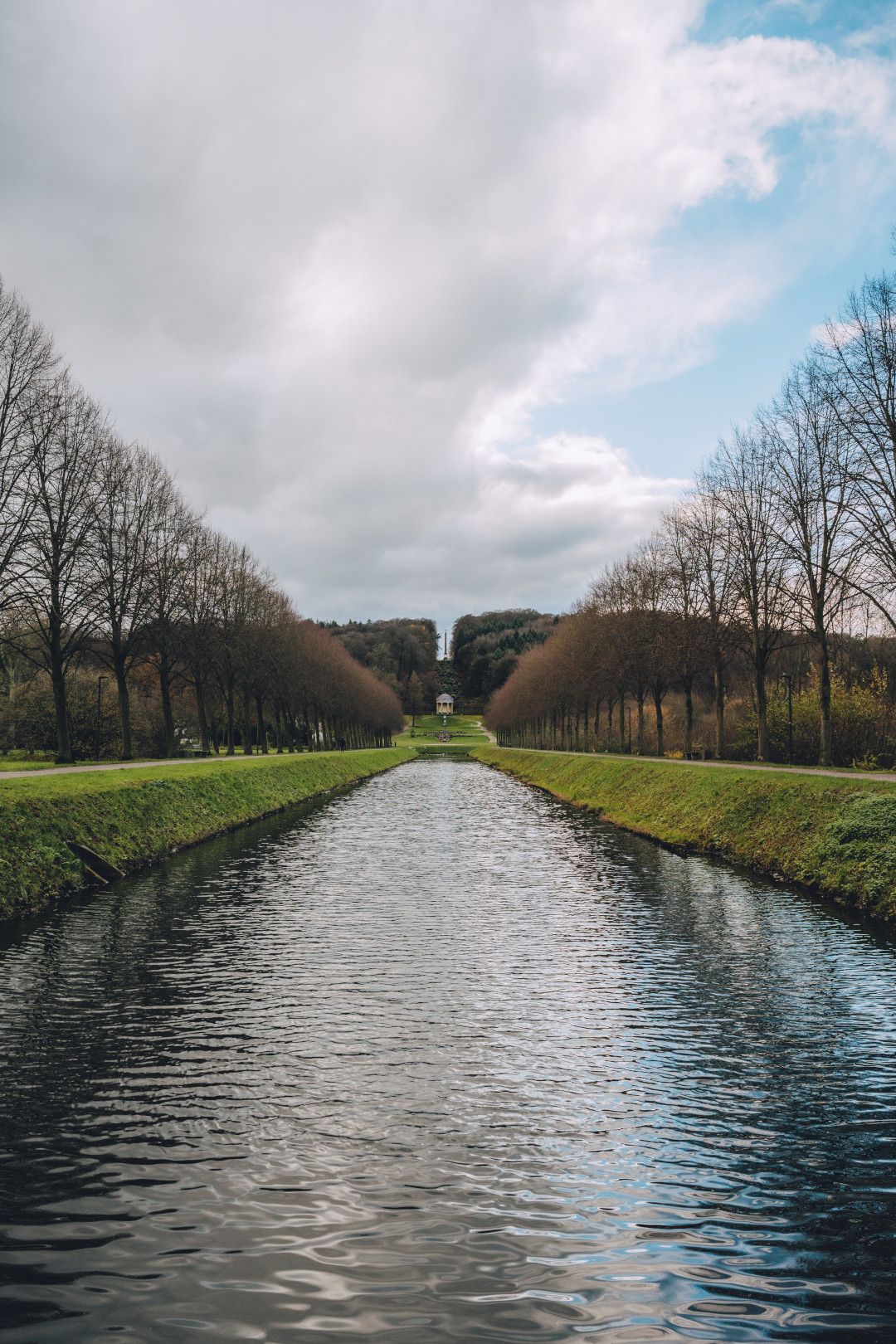
Art and artistically designed objects can also be found next door in the former Kurhotel. The largest collection of works by the important Beuys teacher Ewald Mataré can be seen here. Just outside the door, the baroque gardens of the former health resort invite you to take a stroll. I can well imagine myself strolling here as a fine lady with a distinguished hat and parasol.

Johannes Höhn, Tourismus NRW e.V., Seitansicht des Museums Kurhaus Kleve
Johannes Höhn, Tourismus NRW e.V., Blick über Wasser auf das Amphitheater vom Museum Kurhaus Kleve
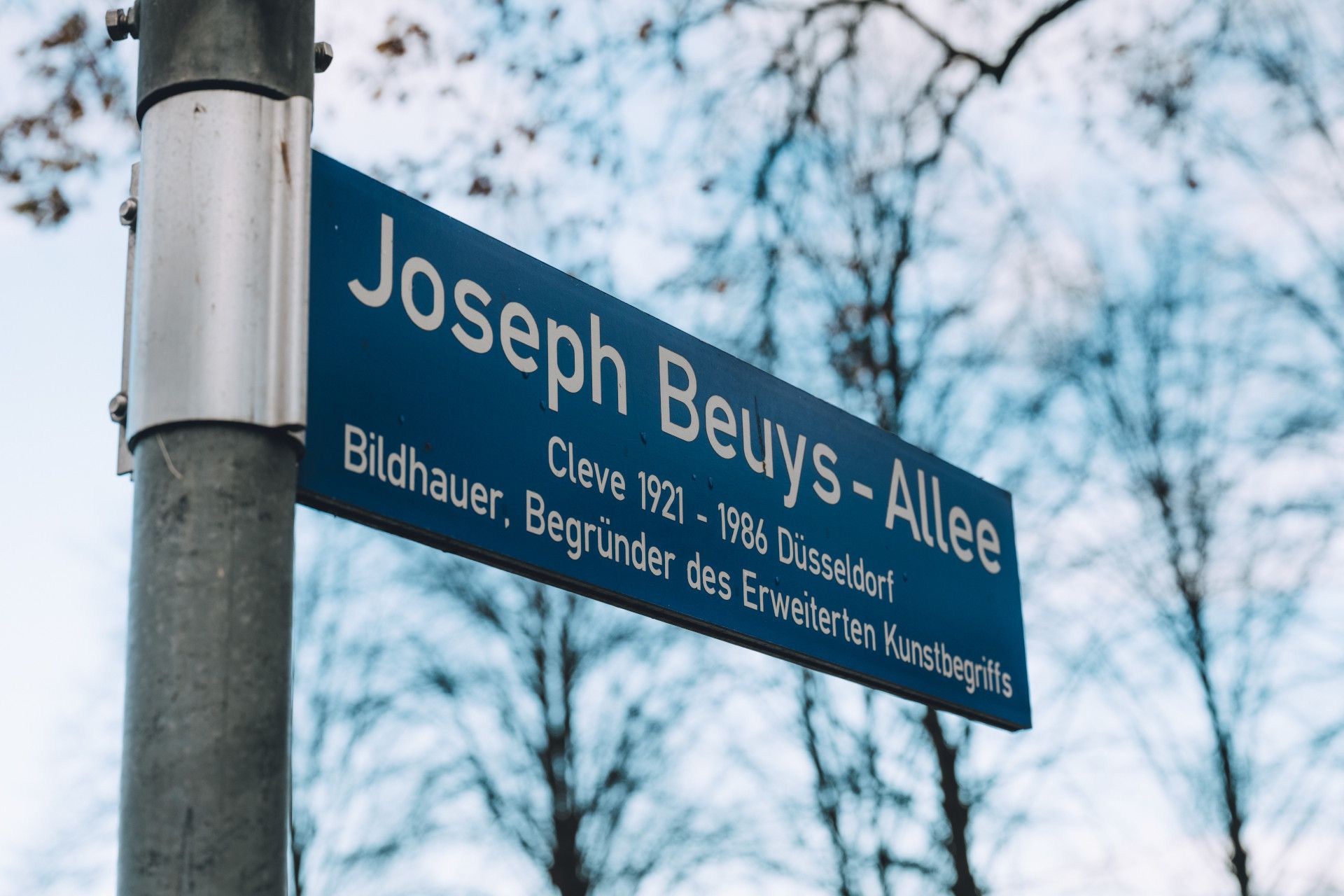
Johannes Höhn, Tourismus NRW e.V., Wegweiser Joseph Beuys Allee in Kleve
Schloss Moyland spiegelt sich im Wassergraben
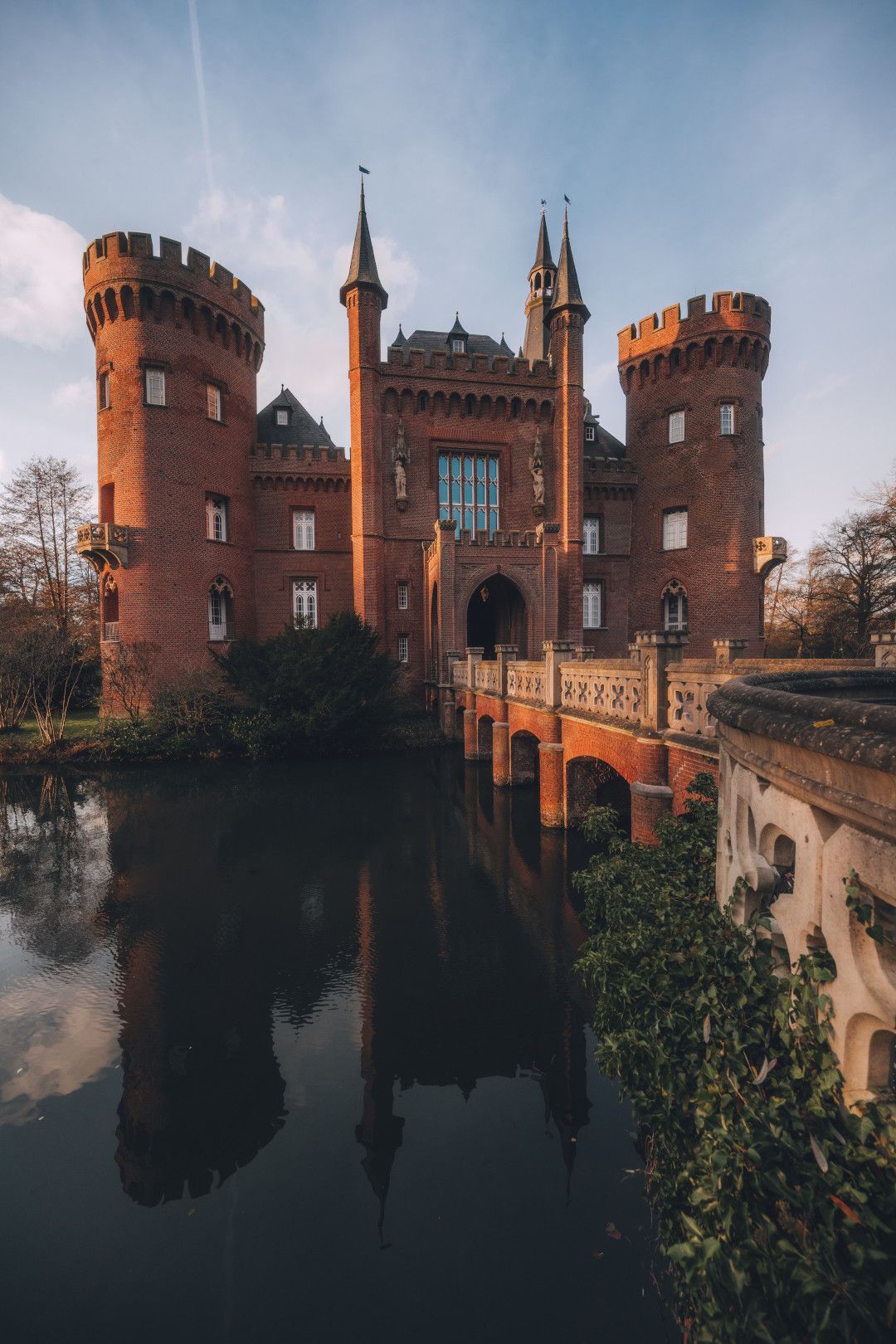
Johannes Höhn, Tourismus NRW e.V., Museum Schloss Moyland mit Brücke und Wassergraben

Side trip by bike

Moyland Castle

The region is flat, the wind is mild and there are many excellent cycle paths. These are ideal conditions for a short detour to Moyland Castle - but only from April to October. In the summer months, the Niederrhein cycle stations are open for hire, including the one at Kleve railway station. It is around eight kilometres to the moated castle of Moyland, which makes a stately impression from the outside with its towers and wide moat. Inside, the museum boasts the world's largest collection of Beuys works. Drawings, watercolour sheets, oil paintings and sculptures - with almost 6000 works by Beuys, there are always plenty of reasons to visit. There's even more art to discover in the palace park among the old trees and historic grounds.

Curious?

Then take a look here for more information!

Museum Kurhaus Kleve

In the former Kleve Kurhaus, now an art museum, you can visit Beuys' first studio, view his early work and then stroll through the baroque gardens of the former spa town.

Opening hours
Tuesday11:00 - 17:00
Wednesday11:00 - 17:00
Thursday11:00 - 17:00
Friday11:00 - 17:00
Saturday11:00 - 17:00
Sunday11:00 - 17:00
DetailsMuseum Kurhaus Kleve

www.mkk.art

Moyland Castle

An impressive moated castle with the world's largest collection of Joseph Beuys works - that is Schloss Moyland in Bedburg-Hau on the Lower Rhine.

Opening hours
Monday11:00 - 17:00
Tuesday11:00 - 17:00
Wednesday11:00 - 17:00
Thursday11:00 - 17:00
Friday11:00 - 17:00
Saturday11:00 - 17:00
Sunday11:00 - 17:00
DetailsMoyland Castle

Beuys' birthplace in Krefeld
Johannes Höhn, Beuys' birthplace in Krefeld
Second stop:

Krefeld

After a leisurely, hour-long journey through the Lower Rhine countryside, the train slowly rolls into Krefeld's main station and I wonder whether Beuys ever travelled to his birthplace by train. A quick search on my mobile phone only brings up a reference to the work "Trans-Siberian Railway". So at least in his mind, he once travelled by train.
Learn more about Krefeld

Around Alexanderplatz

Searching for clues at the birthplace

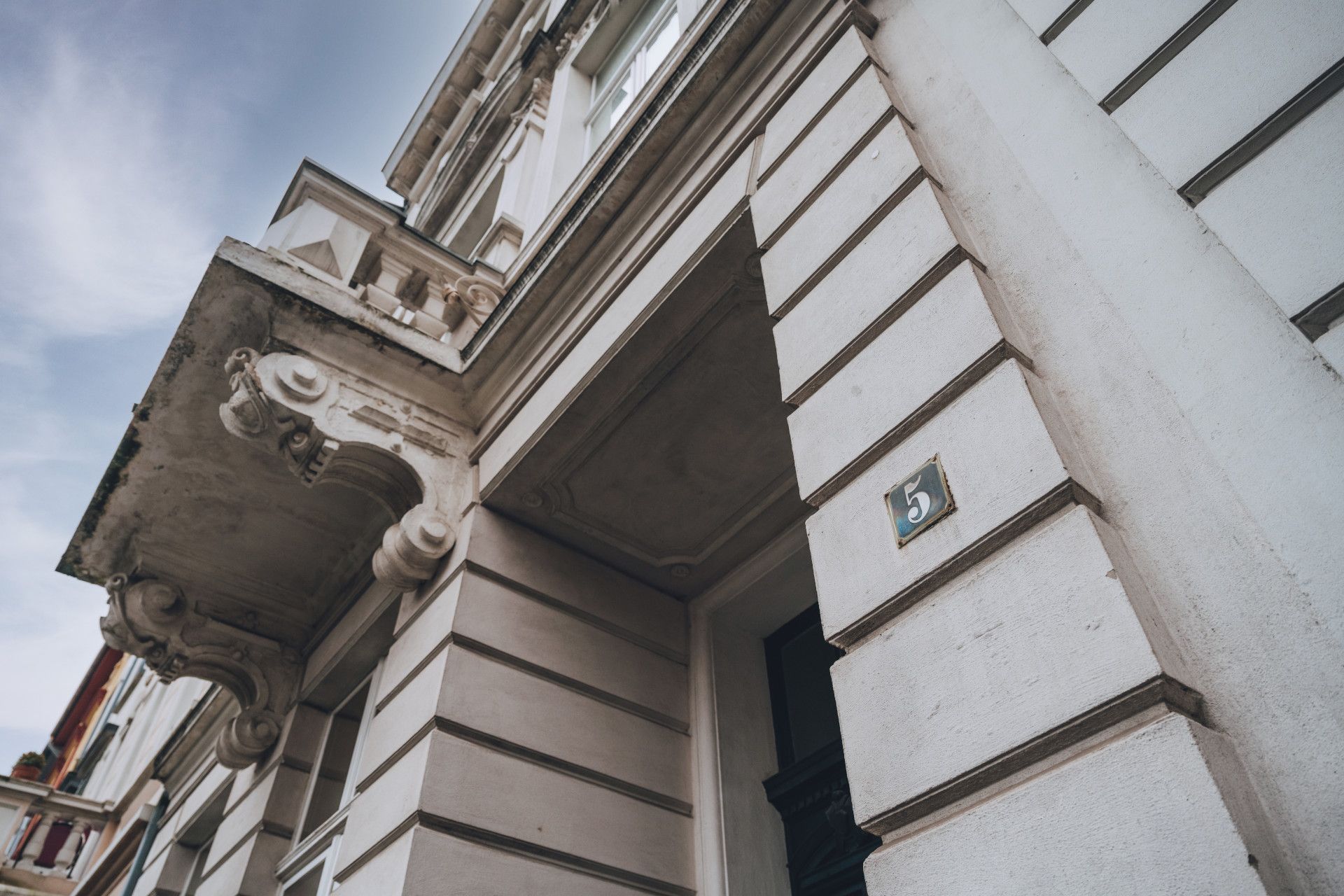
Our first destination is Alexanderplatz 5, just a few minutes' walk from the railway station. Beuys lived in this pretty but inconspicuous old building with his parents for a short time as a baby before they moved to Kleve. No staging, no museum, just a plaque commemorating the town's famous son.

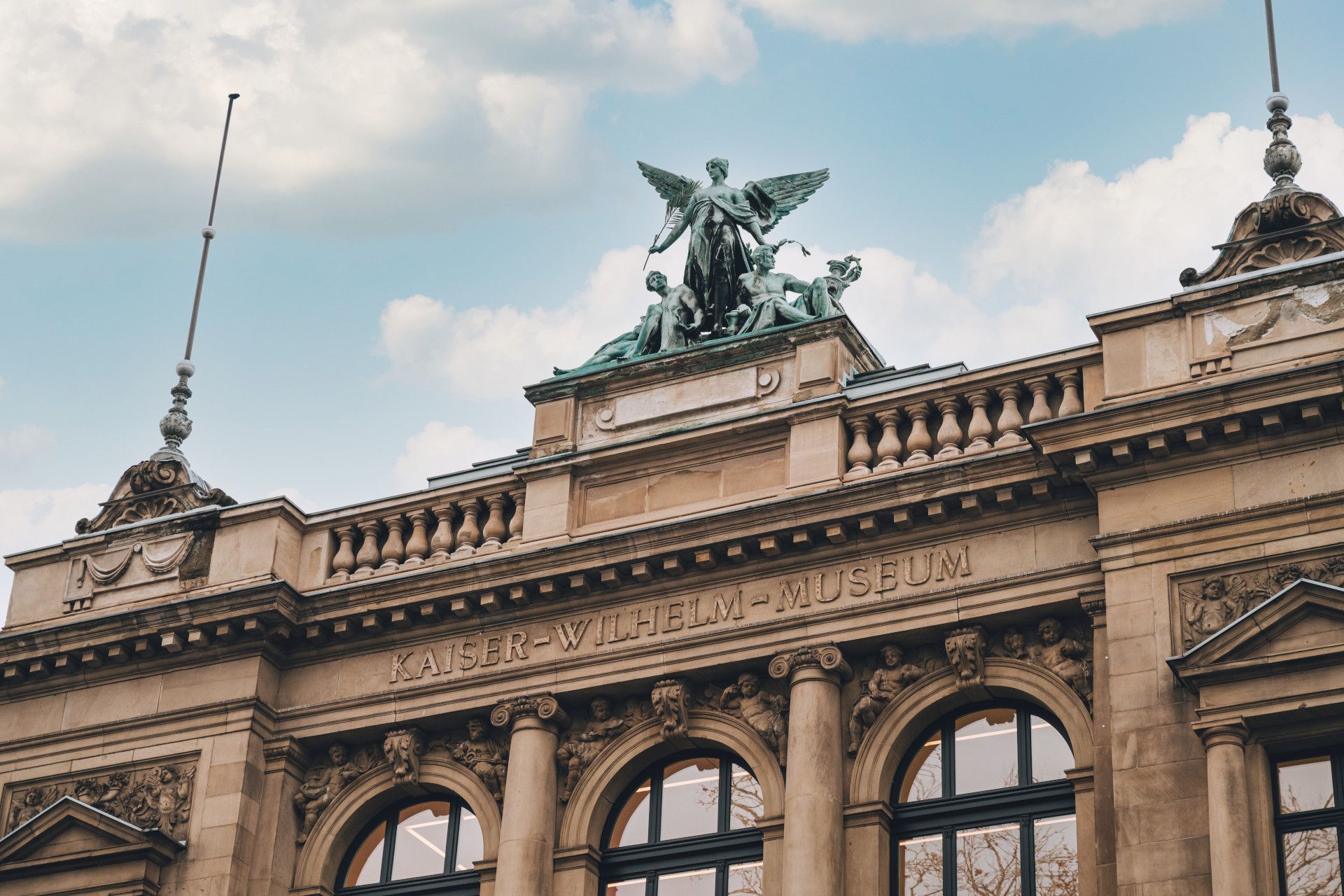
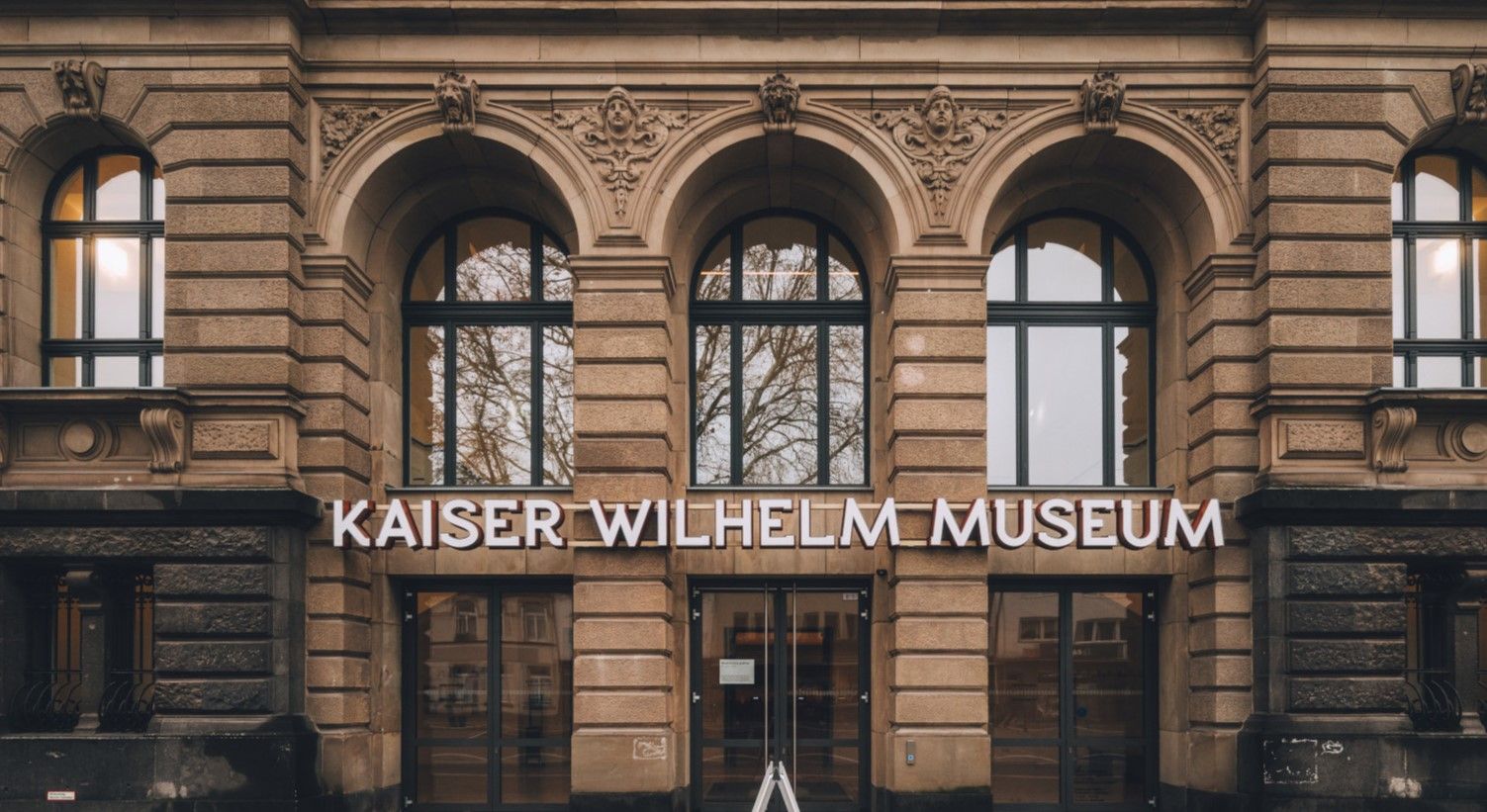
A short walk later, there is further evidence of the connection between Beuys and Krefeld: "Joseph-Beuys-Platz" can be read on a street sign. Behind it towers a palatial building - the Kaiser Wilhelm Museum. Behind its doors awaits a Beuys original: a pile of dead bees, animal bones, glass bottles and a felt mat - all sorts of things gathered together on a double wooden shelf, plus a work desk and a chair. This is the "Barraque D'Dull Odee", an installation that is part of the only room ensemble by Beuys in North Rhine-Westphalia that can still be viewed today exactly as the artist set it up during his lifetime.

Johannes Höhn, The Kaiser Wilhelm Art Museum on Karlsplatz in Krefeld
Johannes Höhn, Tourismus NRW e.V., Beuys' birthplace, Krefeld
Johannes Höhn, Tourismus NRW e.V., Fassade des Geburstshauses von Joseph Beuys  in Krefeld
Johannes Höhn, Tourismus NRW e.V., Fassade des Geburstshauses von Joseph Beuys in Krefeld

Curious?

Then take a look here for more information!

Kaiser Wilhelm Museum

Joseph Beuys had a strong connection to the Kaiser Wilhelm Museum from the very beginning. He exhibited here for the first time at the age of 27, and works and documents from that time can still be seen today.

Opening hours
Tuesday11:00 - 17:00
Wednesday15:00 - 21:00
Thursday11:00 - 17:00
Friday11:00 - 17:00
Saturday11:00 - 17:00
Sunday11:00 - 17:00
DetailsArt museums in Krefeld

kunstmuseenkrefeld.de
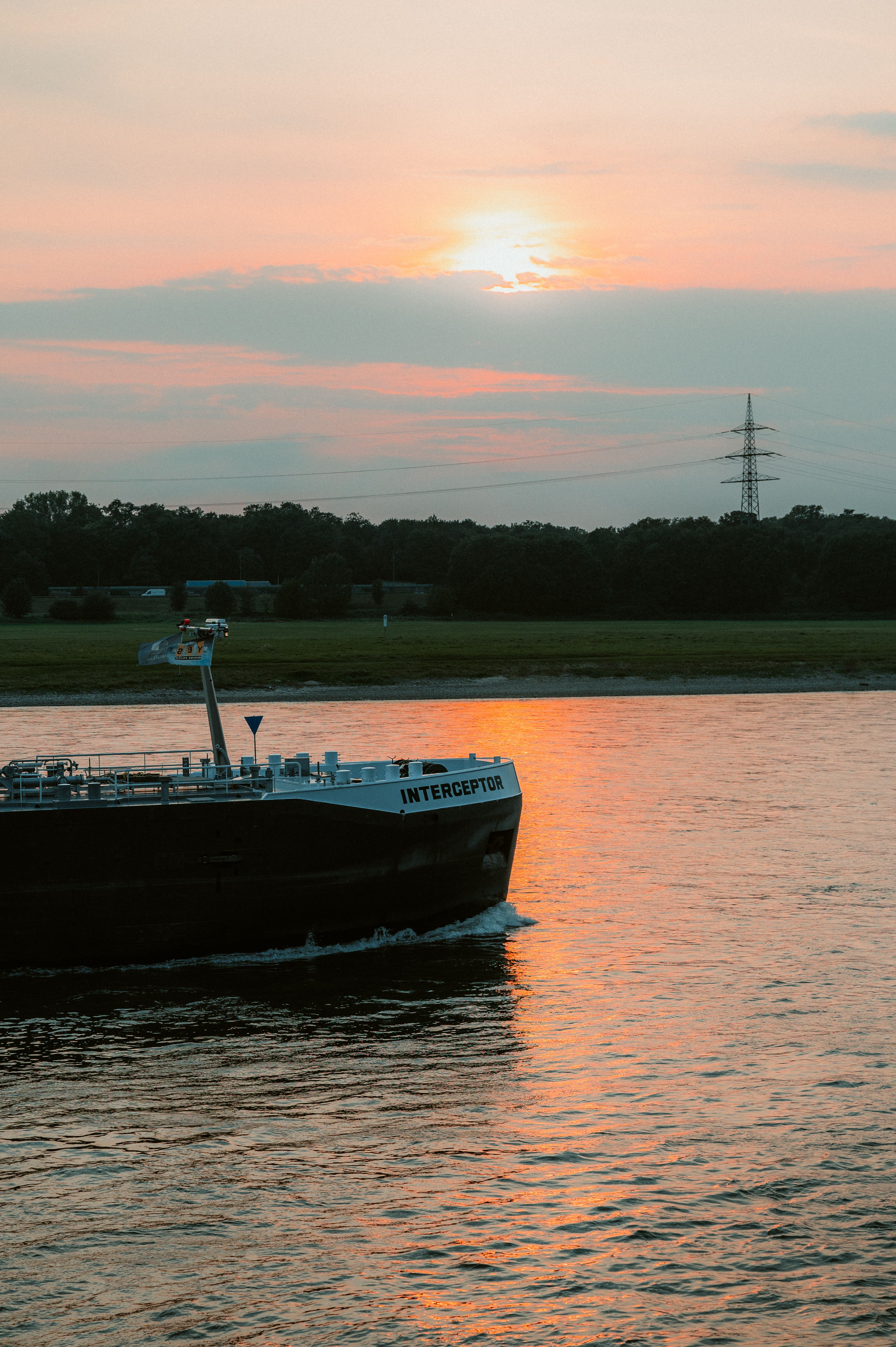
Ein Schiff am Rheinpark in Duisburg
Johannes Höhn, Tourismus NRW e.V., Ein Schiff am Rheinpark in Duisburg
Third stop:

Duisburg

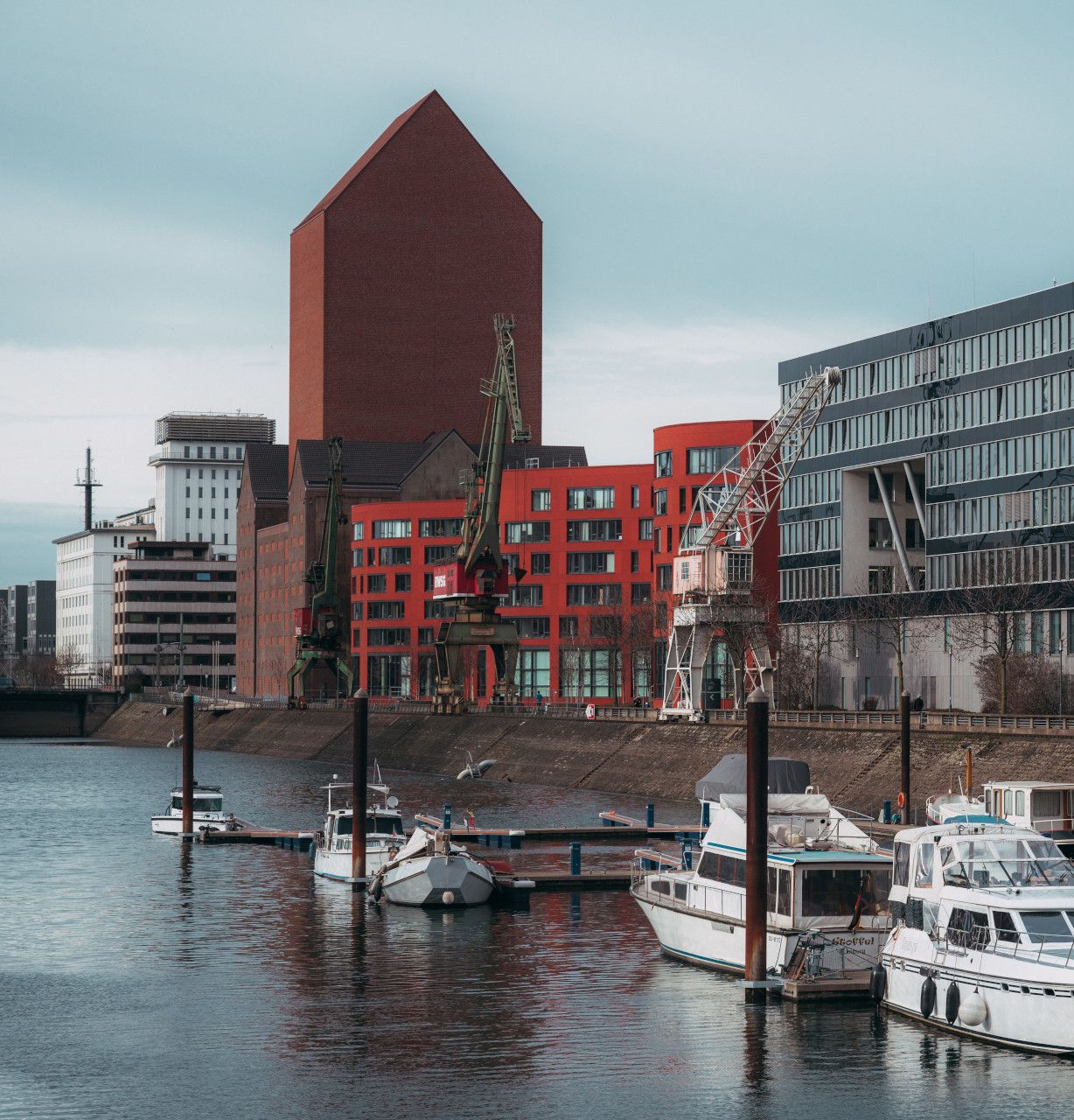
The RE42 continues in the direction of Duisburg. Industry passes by the window on one side, green fields on the other. Chimneys, containers and railway embankments with graffiti. The towers of a former railway bridge look like a gateway to the city. Thanks to the Rhine, Ruhr, Europe's largest inland harbour and a leisure-friendly inner harbour, the city not only boasts plenty of water, but also art museums worth seeing.
Learn more about Duisburg
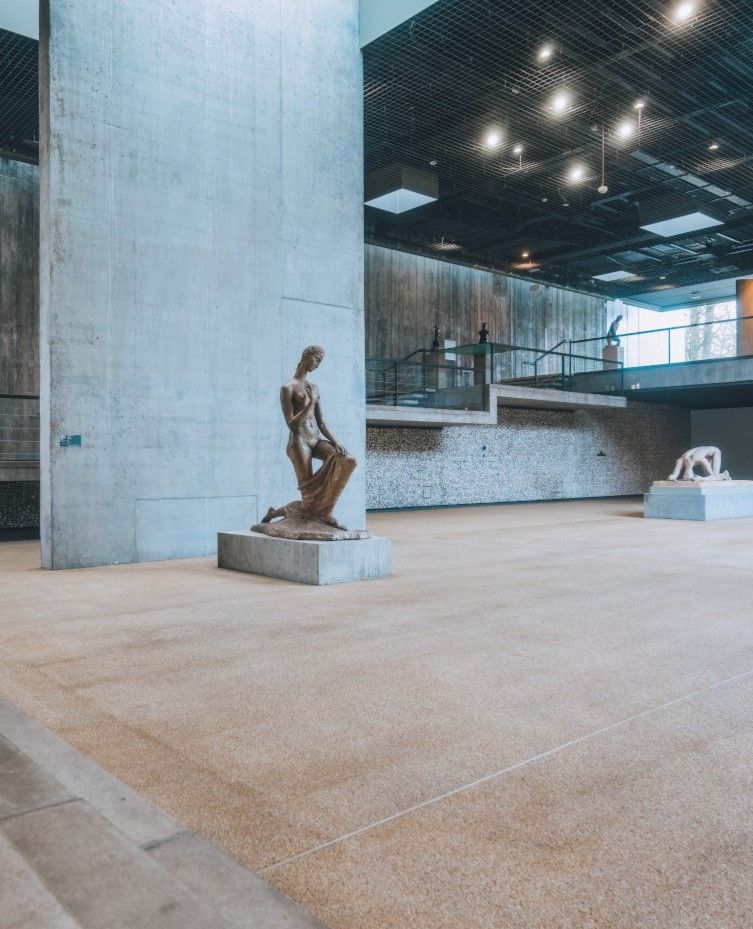
Skulptur eines knieenden Menschen im Lehmbruck Museum
Johannes Höhn, Tourismus NRW e.V., Skulptur im Lehmbruck Museum Duisburg

Sculptures indoors and outdoors

Lehmbruck Museum

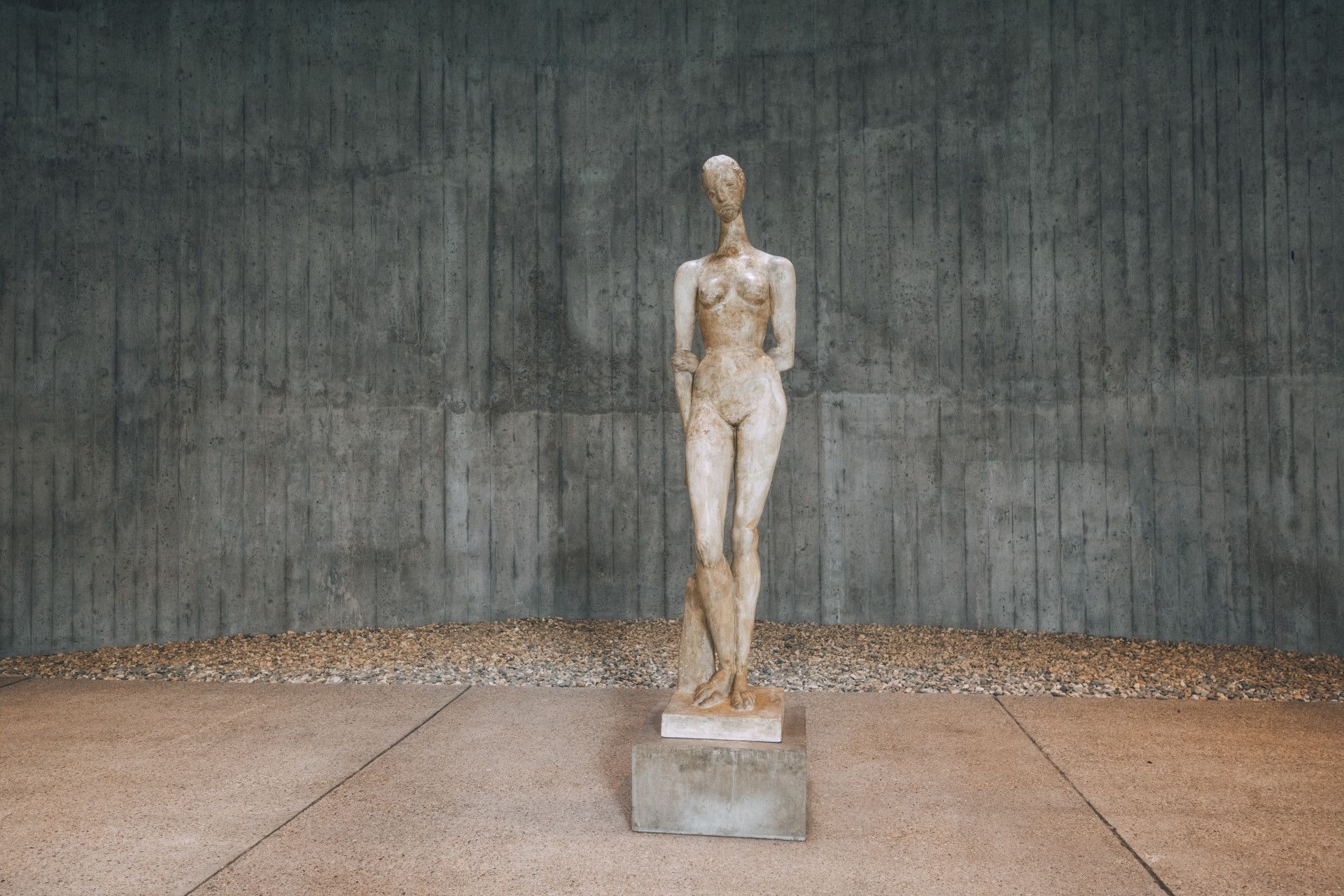
After just a 20-minute journey, I get off at Duisburg Central Station. It's less than 700 metres on foot to the Lehmbruck Museum. A few days before his death, on 12 January 1986, Joseph Beuys gave his last speech here. In it, he thanked his "teacher" Wilhelm Lehmbruck, as he considered his works to be groundbreaking, even though the two were never able to meet - Lehmbruck died two years before Beuys was born. The fact that many other artists are also enthusiastic about this art form can be seen in the Kantpark right next to the museum: There are around 40 large sculptures by other art greats such as Tony Cragg and Henry Moore.

On to the water

Stroll through the inner harbour

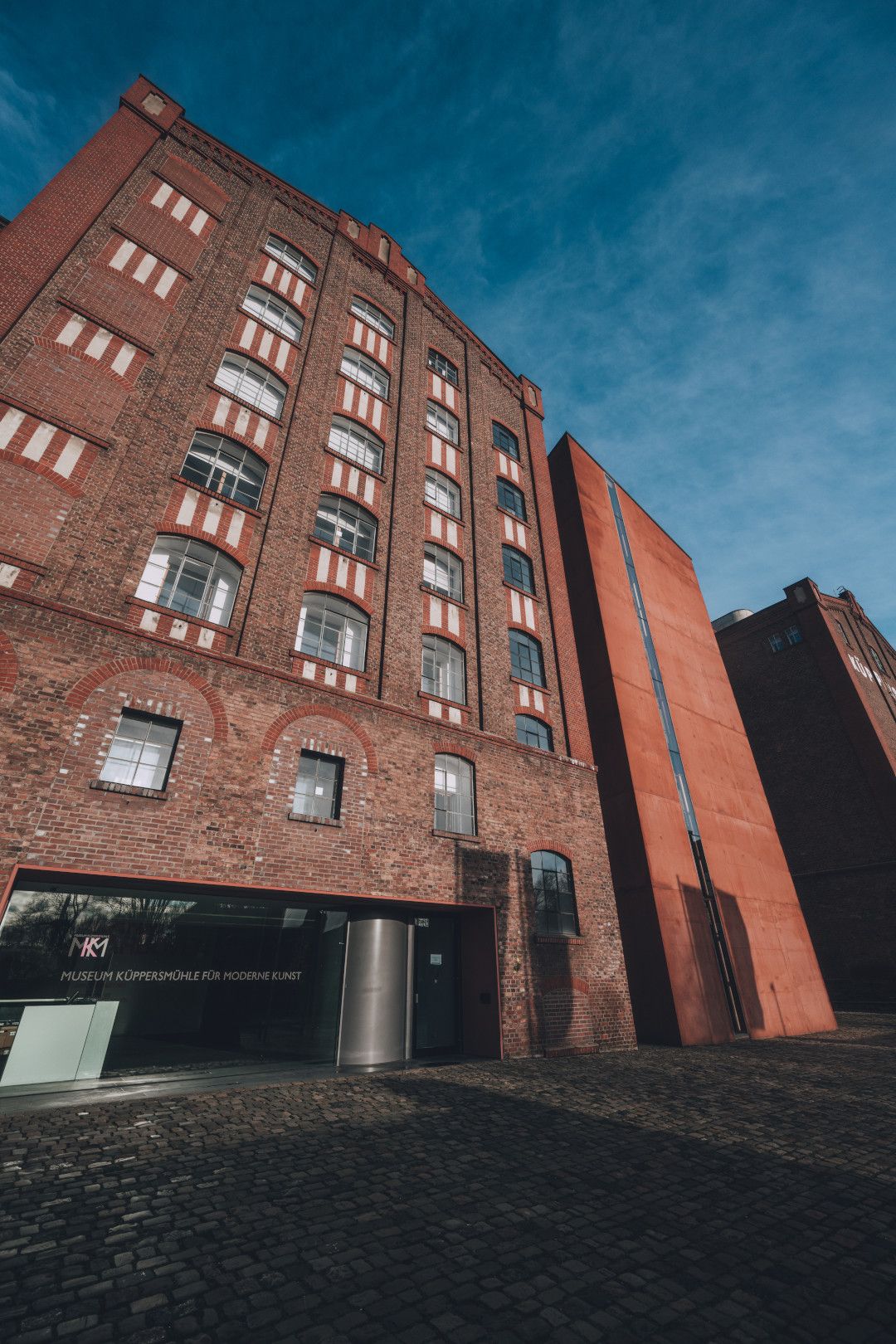
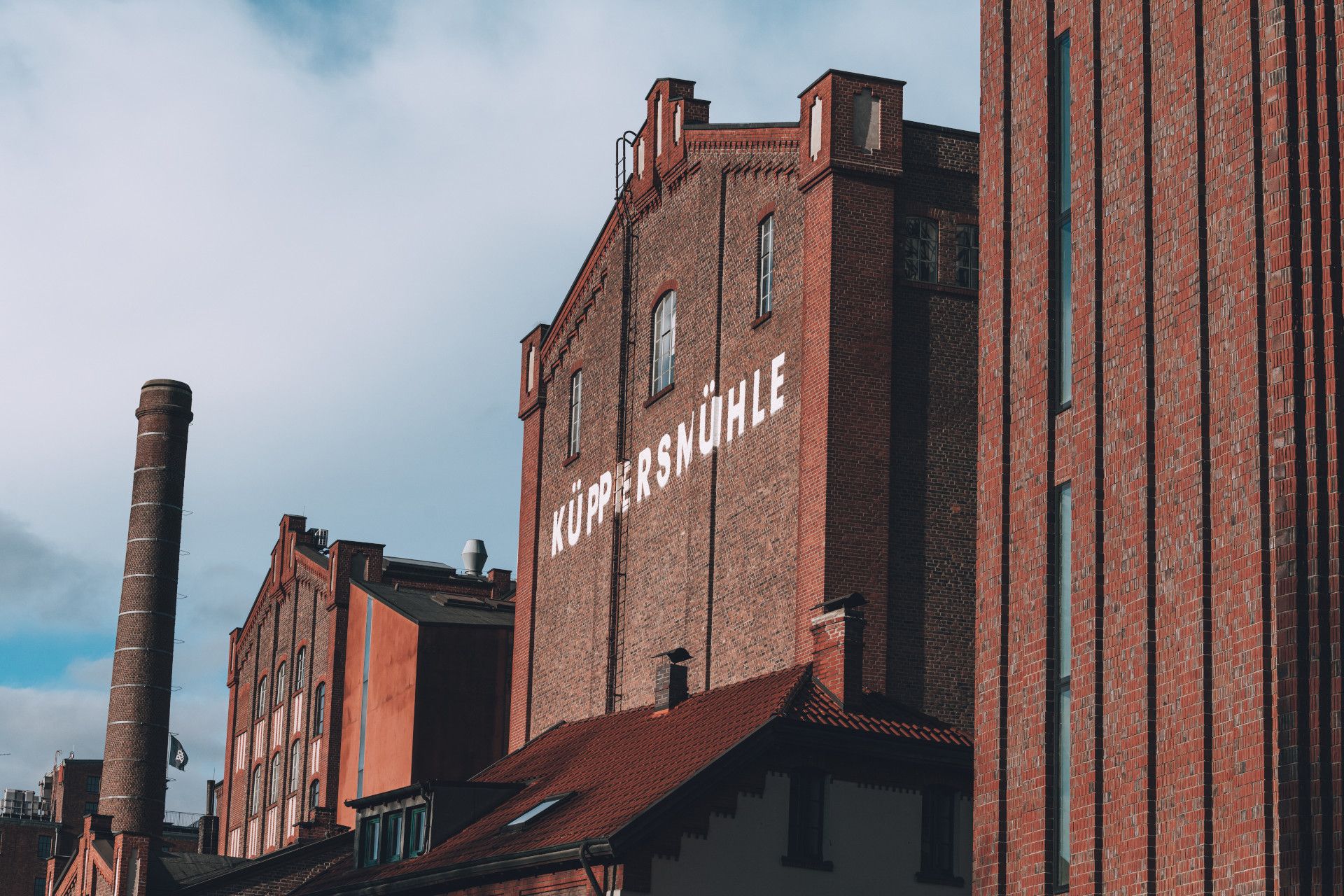
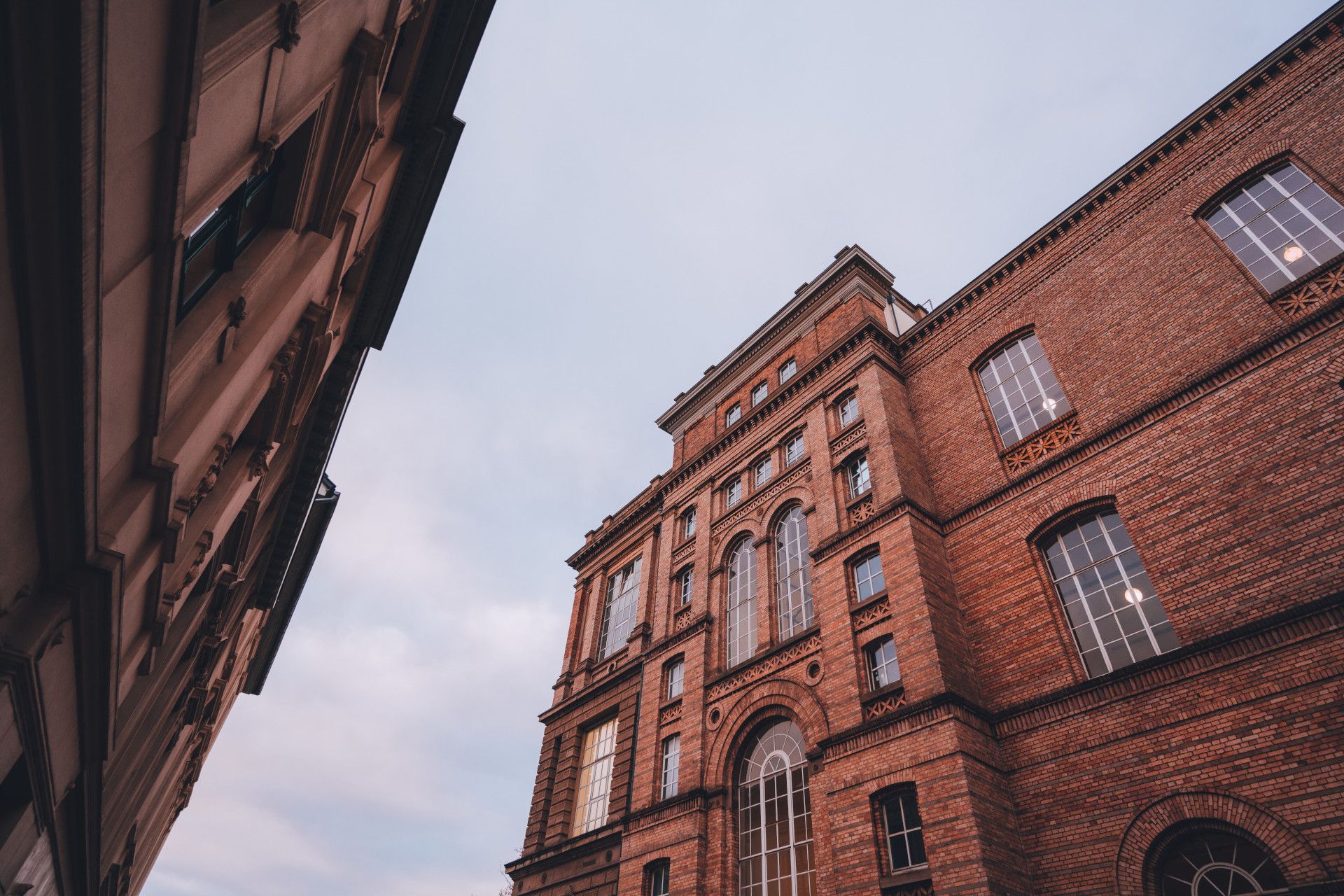
It's a 20-minute walk to the next destination in the inner harbour. Oh no, I'd rather get on the bus at the railway station and travel to Hansegracht. From there, it's just a short walk through the harbour before I reach an impressive building: the former warehouse building with its brick façade has been transformed into a modern cultural building by Swiss star architects Herzog & de Meuron. The Küppersmühle Museum is worth seeing both inside and out and forms the end of Duisburg's inner harbour, which offers plenty of reasons to visit with its restaurants, cafés, modern and historical architecture and many places to sit by the water. Works by Beuys can also be seen here from time to time, but even if not: the museum is a great work of art with a roof terrace and a versatile photo spot. An additional floating attraction is a walk-in submarine, which is anchored in the harbour basin as part of the permanent exhibition. I don't dock here any longer, however, but make my way through small streets and the pedestrian zone to the main railway station. Next stop: Düsseldorf.

Johannes Höhn, Tourismus NRW e.V., Vorderansicht Museum Küppersmühle
Johannes Höhn, Tourismus NRW e.V., Boote liegen im Duisburger Innenhafen vor Anker
Johannes Höhn, Tourismus NRW e.V., Seitenansicht des Museums Küppersmühle

Curious?

Then take a look here for more information!

Lehmbruck Museum

The works by Wilhelm Lehmbruck on display here inspired Joseph Beuys to explore the subject of sculpture. The museum is located in the middle of a sculpture park with around 40 large sculptures by many other important artists.

Opening hours
Tuesday12:00 - 17:00
Wednesday12:00 - 17:00
Thursday12:00 - 17:00
Friday12:00 - 17:00
Saturday11:00 - 17:00
Sunday11:00 - 17:00
Price information
Adultsfrom 9,00 €
from 15,00 €
from 5,00 €
DetailsLehmbruck Museum

lehmbruckmuseum.de

MKM Museum Küppersmühle of Modern Art

The MKM Museum Küppersmühle boasts several thousand square metres of exhibition space, a list of artists that includes Anselm Kiefer and Gerhard Richter, a varied programme of exhibitions and striking architecture that sits somewhere between industrial heritage and White Cube. The building, situated right by Duisburg’s vibrant Inner Harbour, is one of the leading art museums in the Ruhr Metropolis. The Swiss architects Herzog & de Meuron have transformed the former warehouse building – used to store grain until the 1970s – into a spacious art museum. There are plans for an extension in 2021 with a viewing platform for visitors.

Opening hours
Wednesday14:00 - 17:30
Thursday11:00 - 18:30
Friday11:00 - 18:30
Saturday11:00 - 18:30
Sunday11:00 - 18:30
DetailsMKM Museum Küppersmühle of Modern Art

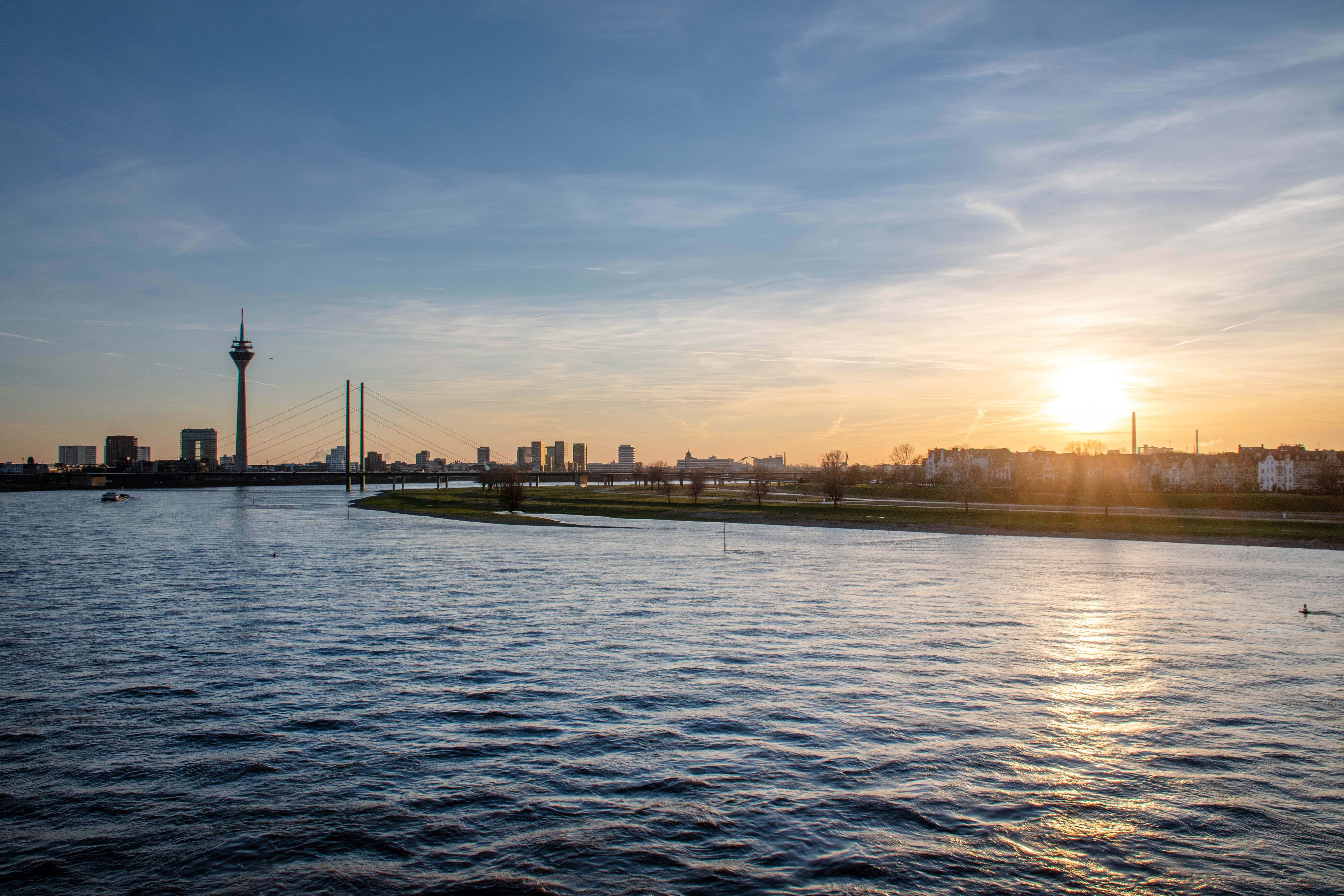
Rhein im Düsseldorf am Abend mit Sonnenuntergang
Visit Düsseldorf, Rhein im Düsseldorf am Abend
Fourth stop:

Düsseldorf

In just over 20 minutes, the RE19 will take me to the state capital. I use the time to do a quick search on my mobile phone to decide which stations are the closest. Beuys lived and worked here for almost 25 years, but not all of the places where he lived and worked are still visible today. I decide to take a relaxed stroll through the old town towards the Rhine - to Joseph-Beuys-Ufer, with a stopover at the art academy.
Learn more about Düsseldorf

Direction Rhine

Past the "black hole"

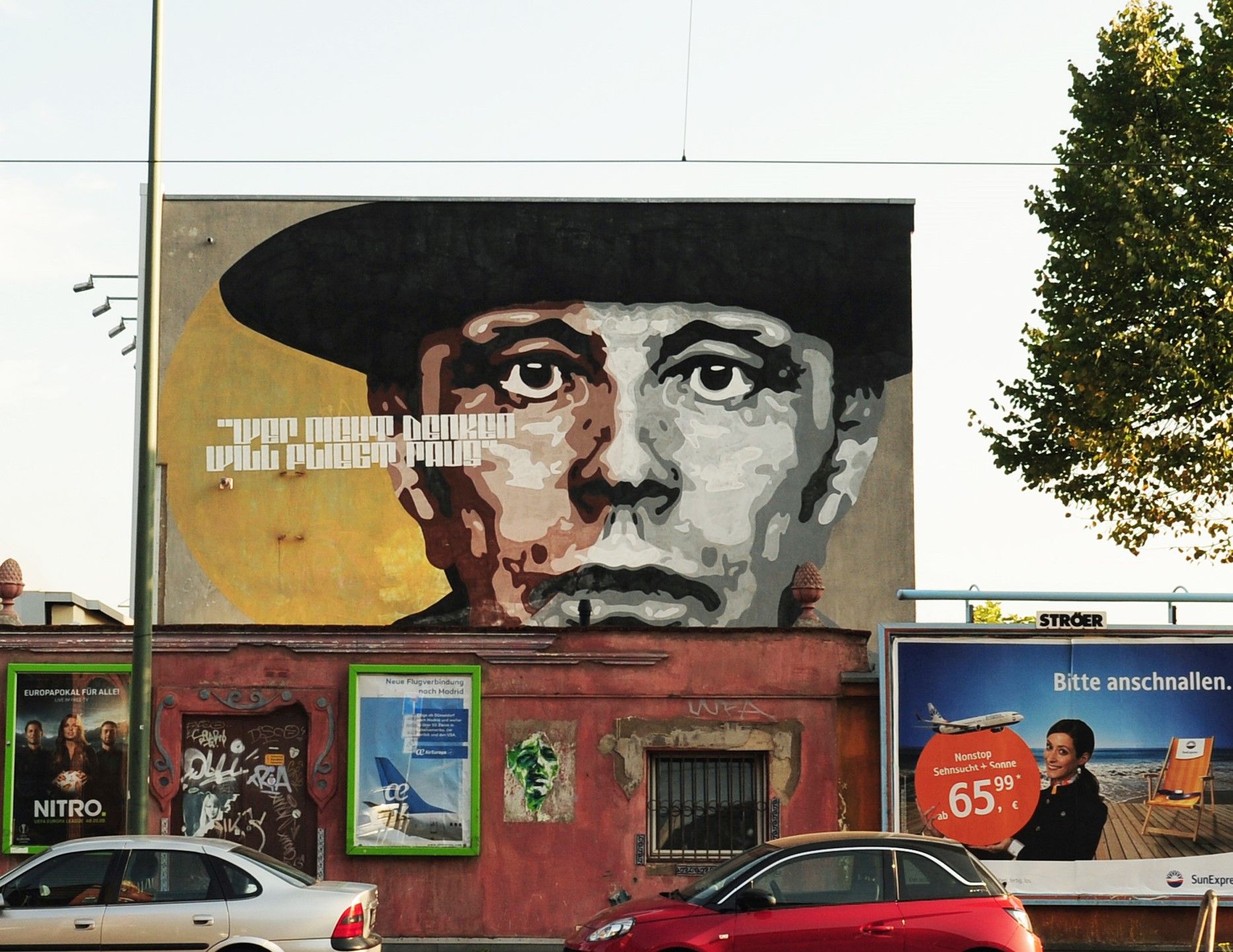
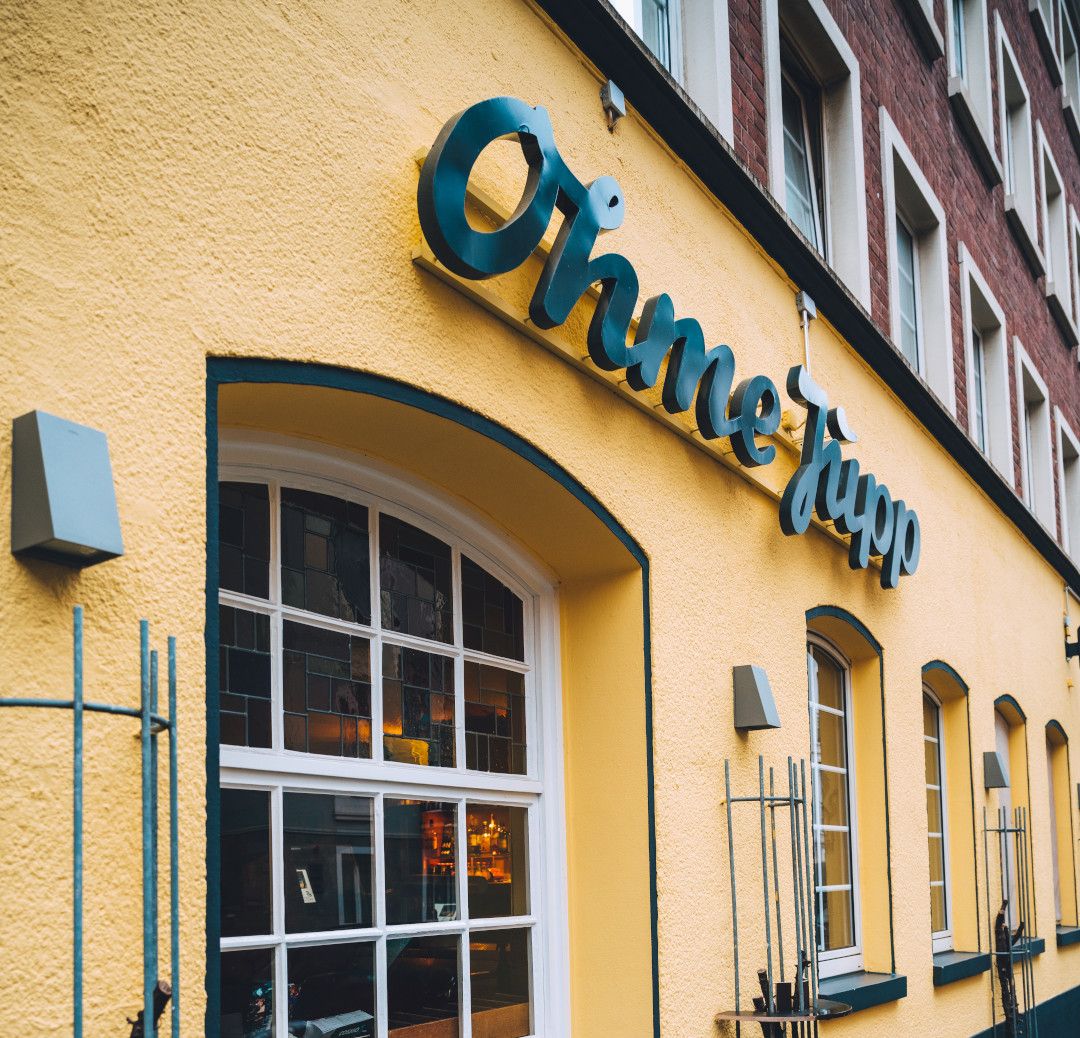
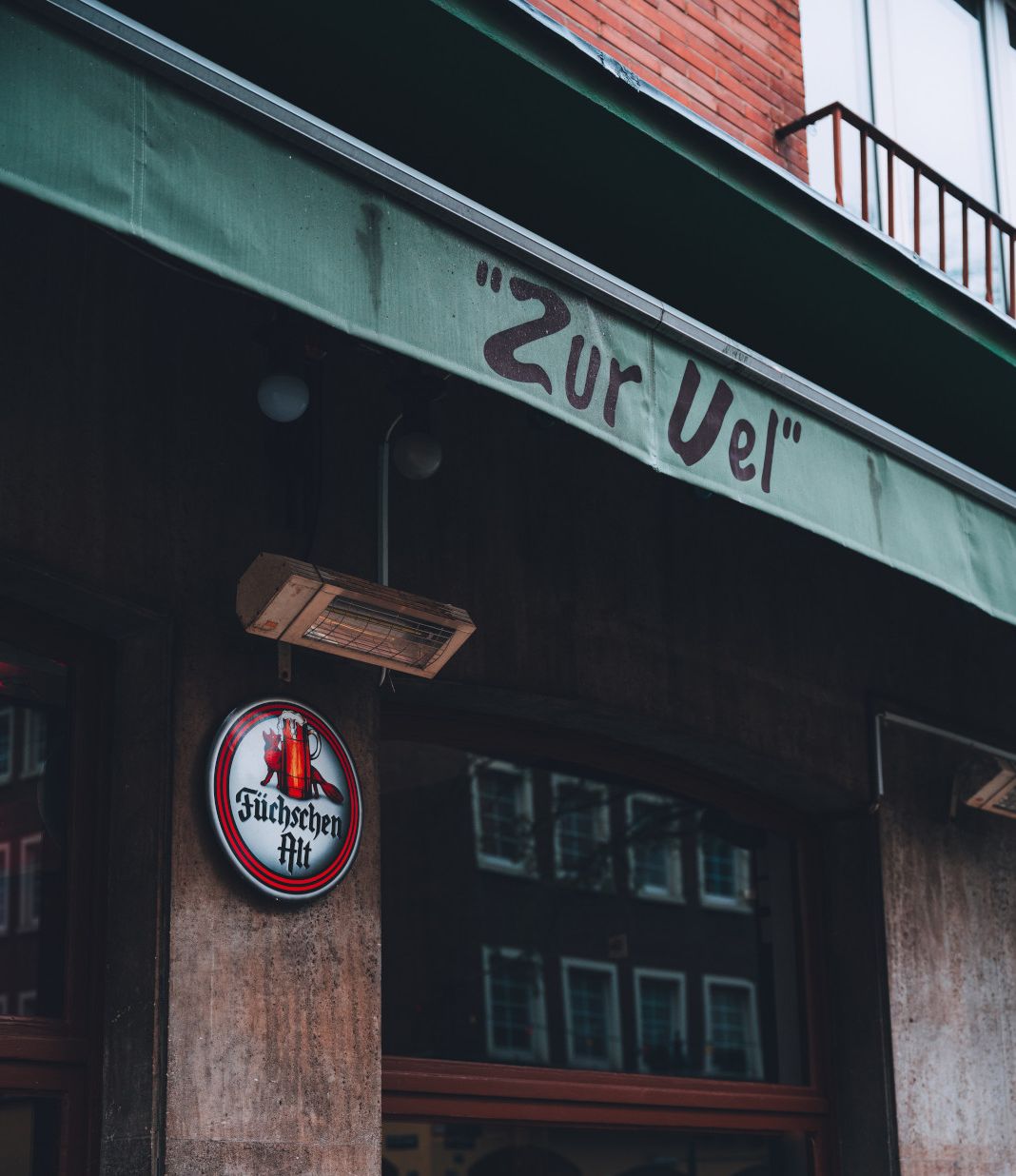
I have met Joseph Beuys on other occasions in Düsseldorf: From a mural in the Flingern district, the artist gazes attentively at what is happening in the street. The painting by Orticanoodles shows the man in the hat with a quote: "If you don't want to think, you're out." Today I prefer to stay in the city centre, but I briefly stray from the art course on the way to the old town. My appetite for sushi, mochi and ramen takes me on a little detour to Asia, or more precisely to Japan: Little Tokyo is the name of the neighbourhood to the left and right of Immermannstraße. There's a lot to see and taste here, I pick up a few mochis. Joseph Beuys probably ate hearty home cooking, I suspect. In any case, the Ohme Jupp and Zur Uel pubs were among his favourite haunts.

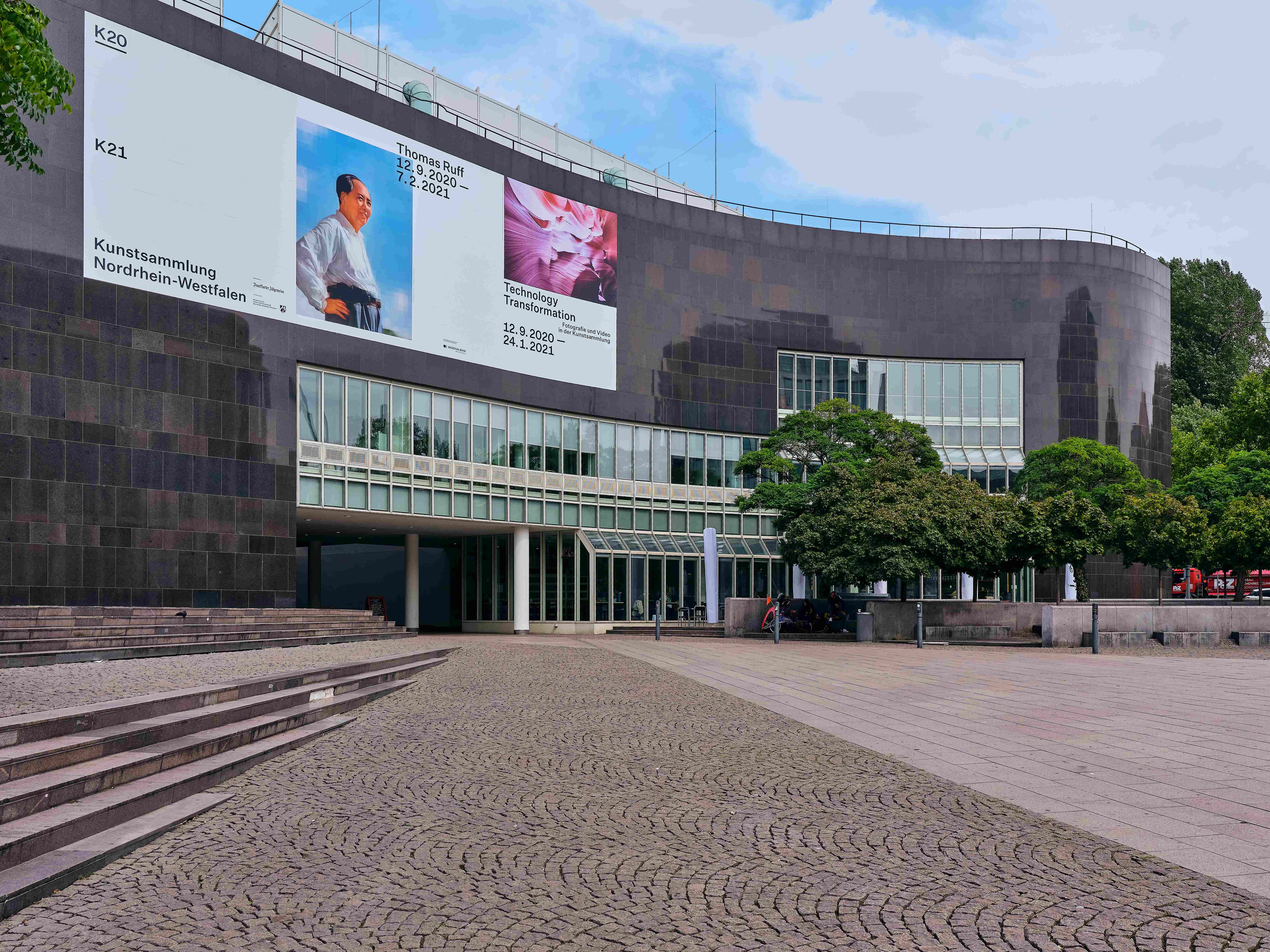
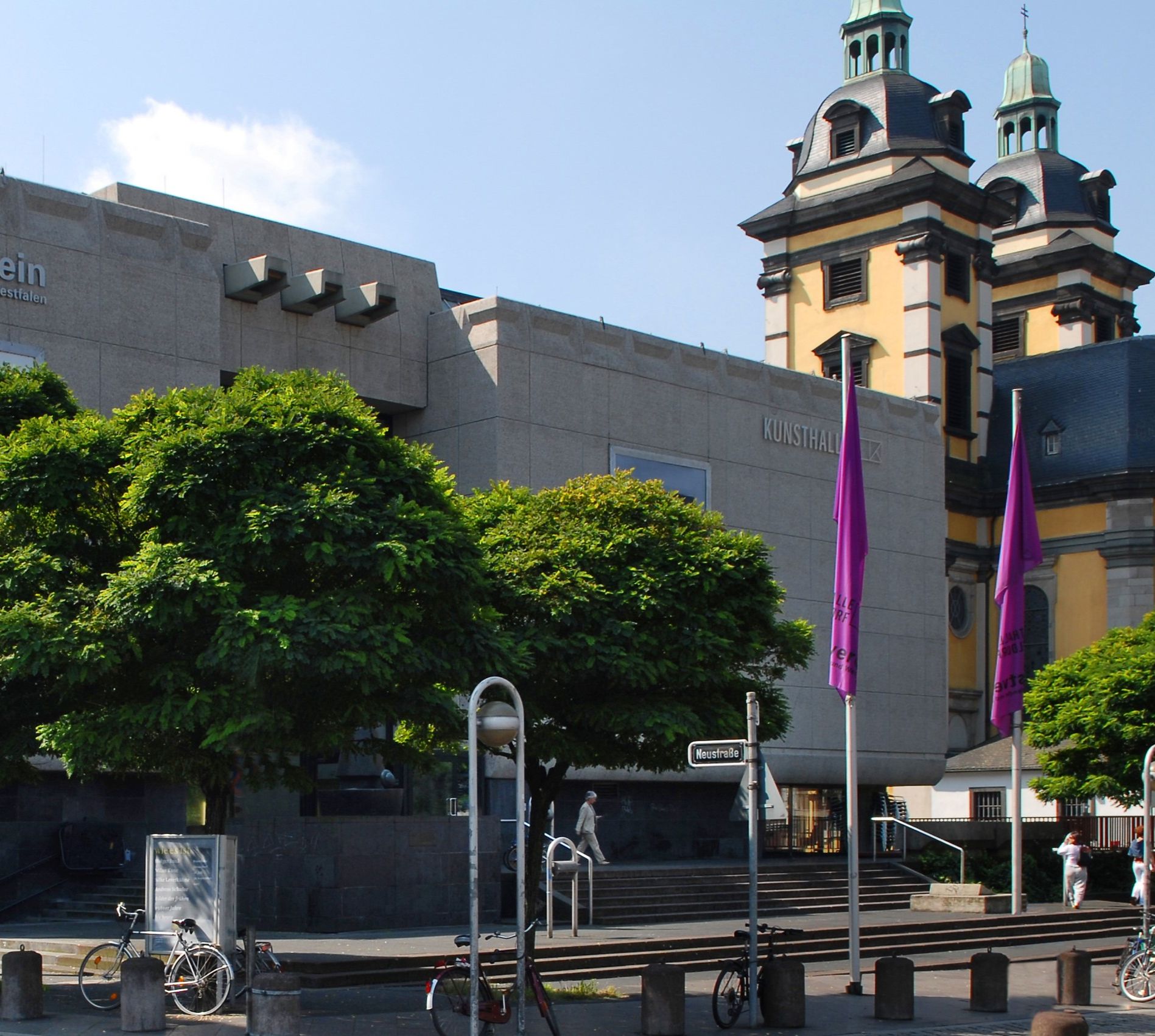
Before I reach the two pubs on Ratinger Straße, however, I find another trail. On one side of the Kunsthalle and diagonally above the entrance to the Kom(m)ödchen cabaret theatre, a public artwork by Beuys protrudes from the wall: a stovepipe. It is called "The Black Hole" and has been installed here on Kay-und-Lore-Lorenz-Platz since the early 1980s. Directly opposite, the K20 art collection on Grabbeplatz also regularly exhibits works by Joseph Beuys.

Visit Düsseldorf, Simone Stammen, Wandgemälde von Orticanoodles in Düsseldorf zeigt Portrait von Joseph Beuys
Johannes Höhn, Tourismus NRW e.V., Außenfassade der Kneipe "Ohme Jupp"
Johannes Höhn, Tourismus NRW e.V., Außenansicht der Kneipe "Zur Uel" in Düsseldorfer Altstadt

Calm after the storm

At the art academy

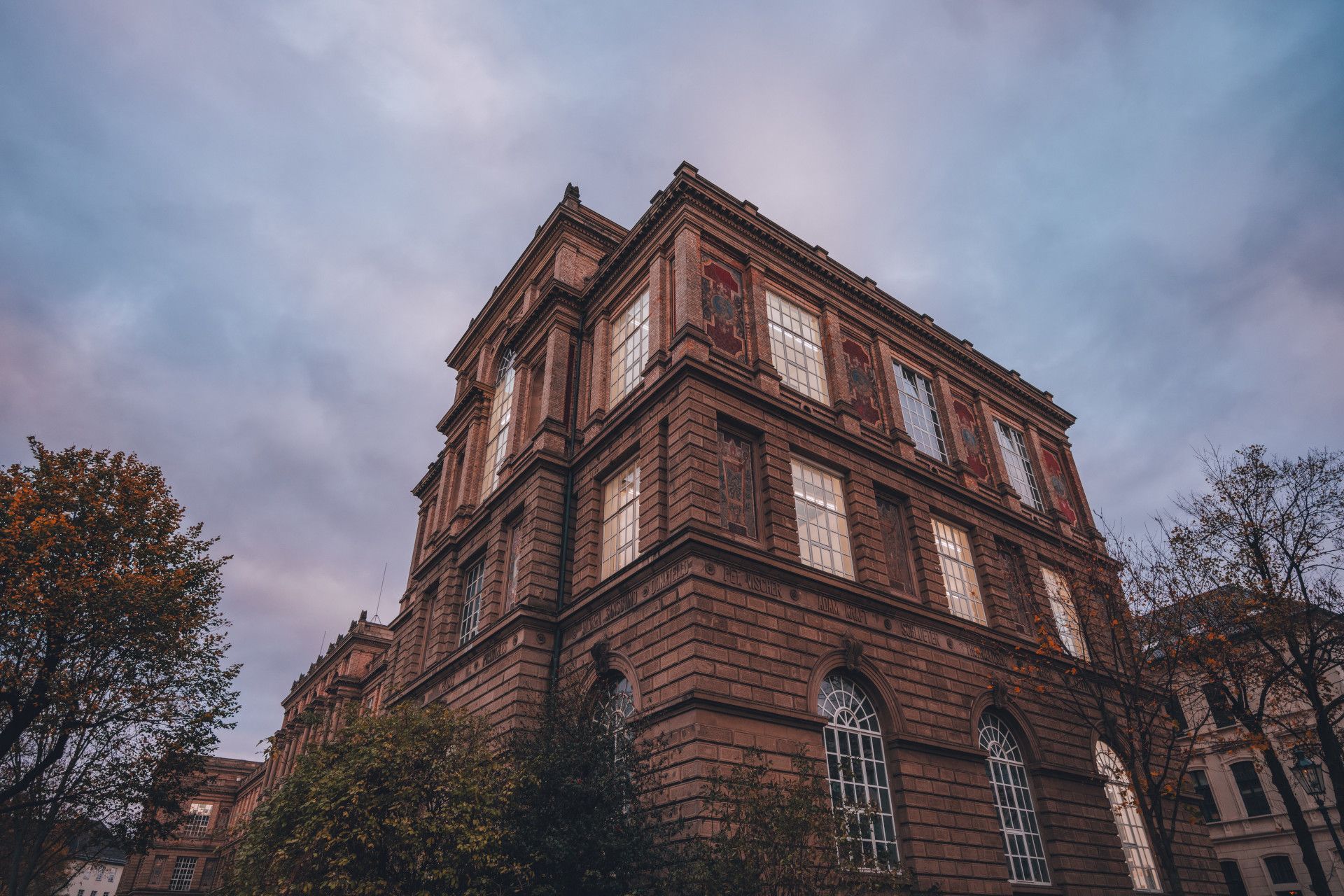
Joseph Beuys first learnt sculpture himself at the art academy before returning later as a lecturer. Here he consistently pursued his idea that everyone can be an artist, right up to a major conflict: because he wanted to give more people access to the academy, he clashed with the management and politicians - which ended with his dismissal in 1972. There is no sign of any of the excitement today; instead, a respectful calm prevails in the wide and high corridors of the building. I wonder if the students are inspired by the Rhine. In any case, I take a detour to the promenade and cross a large, multi-lane road: Joseph-Beuys-Ufer: check. It's beautiful here by the water, the view stretches far up and down the river and to the meadows on the opposite bank. The sculptor lived there somewhere, in the Oberkassel district, with his wife and children. The former studio and home at Drakeplatz 4 can be visited on certain days during exhibition periods. But unfortunately not today, so I take the underground back to the main station and set my sights on the last destination of the Beuys journey: Mönchengladbach.

Johannes Höhn, Tourismus NRW e.V., Außenansicht Kunstakademie Düsseldorf am Abend
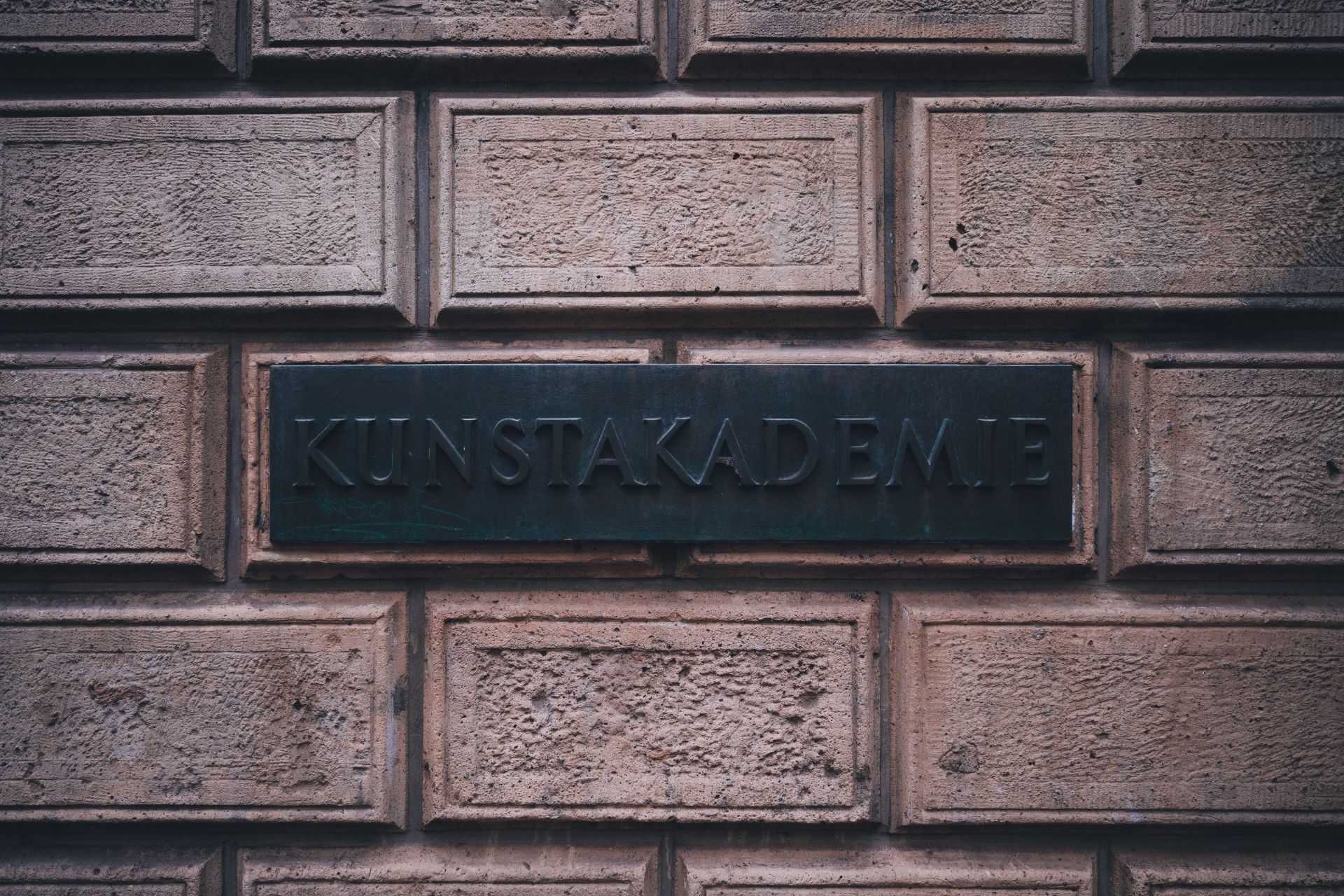
Johannes Höhn, Tourismus NRW e.V., Schild "Kunstakademie" an Fassade in Düsseldorf
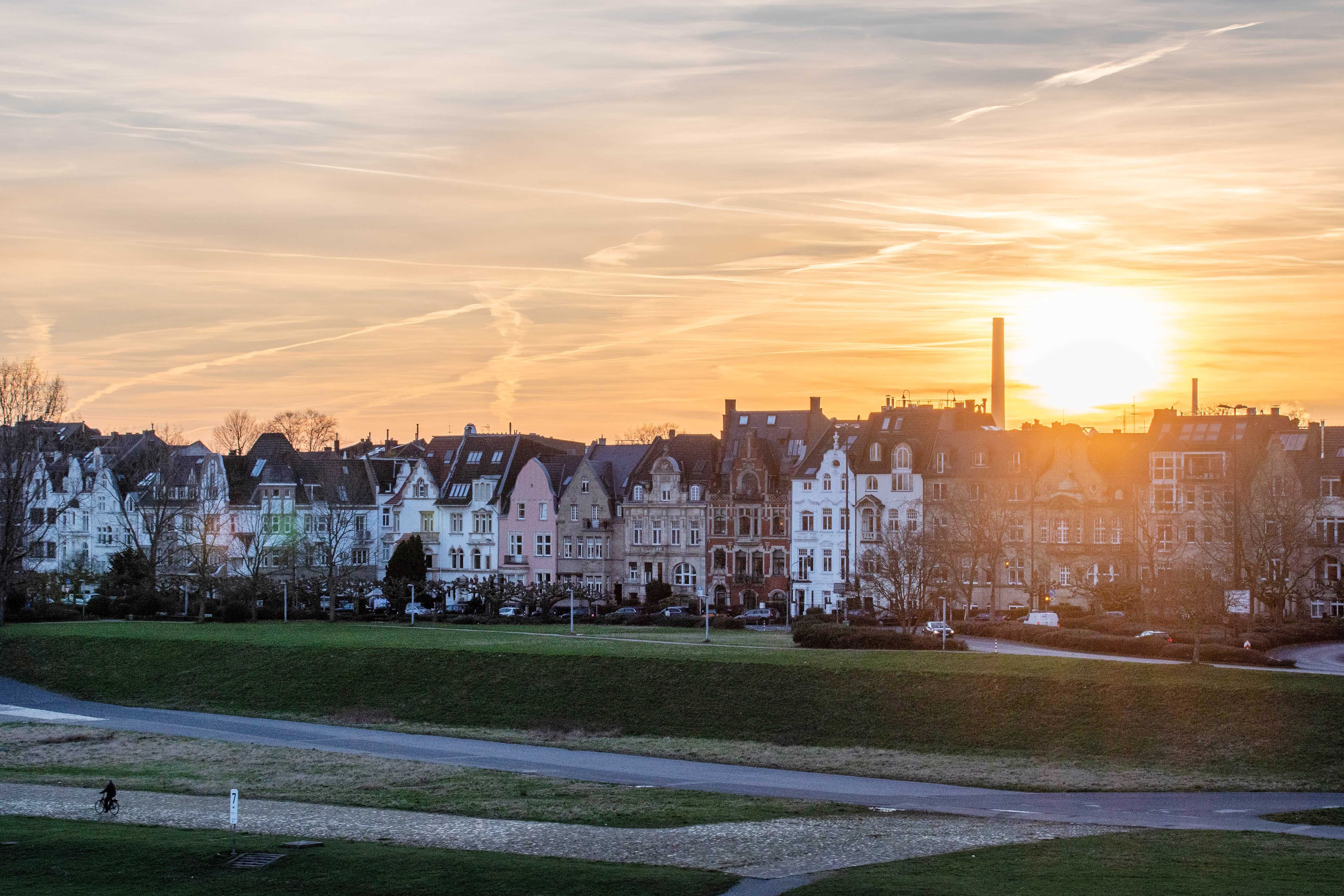
Visit Düsseldorf, Blick auf Düsseldorfer Stadtteil Oberkassel am Abend

Curious?

Then take a look here for more information!

Art Collection North Rhine-Westphalia

Big names, great works, concentrated impressions: In Düsseldorf, the K20 and K21 exhibition venues are showing art from classical modernism and the present day. The K20 on Grabbeplatz alone is showing works by Andy Warhol, Robert Rauschenberg and Jackson Pollock in a large hall.

Opening hours
Tuesday11:00 - 18:00
Wednesday11:00 - 18:00
Thursday11:00 - 18:00
Friday11:00 - 18:00
Saturday11:00 - 18:00
Sunday11:00 - 18:00
Holiday11:00 - 18:00
Price information
Adultsfrom 14,00 €
DetailsNorth Rhine-Westphalia Art Collection in Düsseldorf

www.kunstsammlung.de
Distance to the train station: 1,7 km

Kunsthalle Düsseldorf

A black stovepipe, an installation by Joseph Beuys, can be seen on an outside wall. Changing exhibitions are shown inside. And there is dancing at night. The Salon des Amateurs downstairs in the Kunsthalle is a nightclub for avant-garde electronic music.

Opening hours
Tuesday11:00 - 18:00
Wednesday11:00 - 18:00
Thursday11:00 - 18:00
Friday11:00 - 18:00
Saturday11:00 - 18:00
Sunday11:00 - 18:00
DetailsKunsthalle Düsseldorf

www.kunsthalle-duesseldorf.de

Düsseldorf Art Academy

Joseph Beuys learned sculpture in the historic rooms of this renowned educational institution and later, as a lecturer, fought to make it accessible to all interested parties. 

Opening hours

No information

DetailsKunstakademie

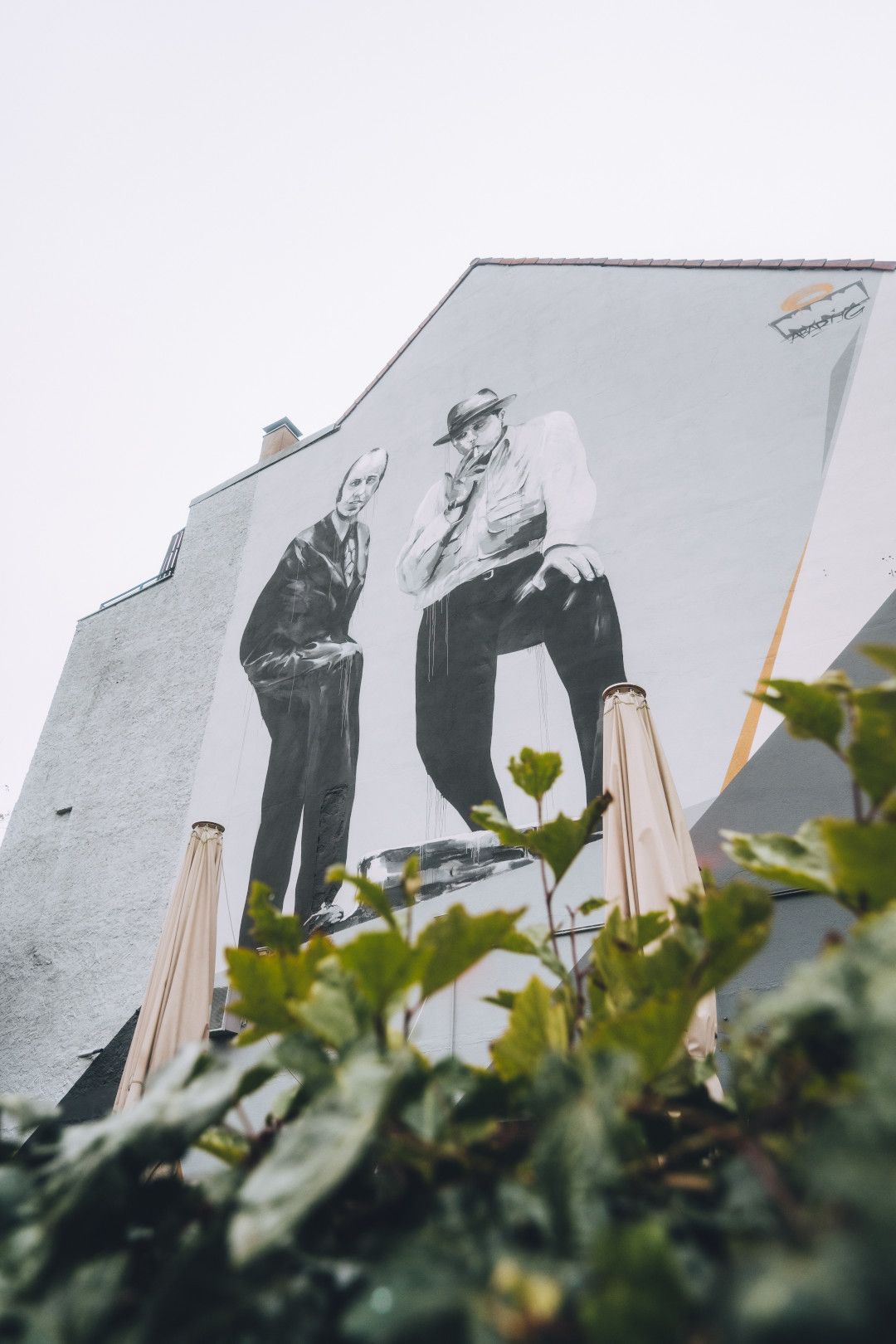
Wandbild an Fassade in Mönchengladbach zeigt zwei Männer
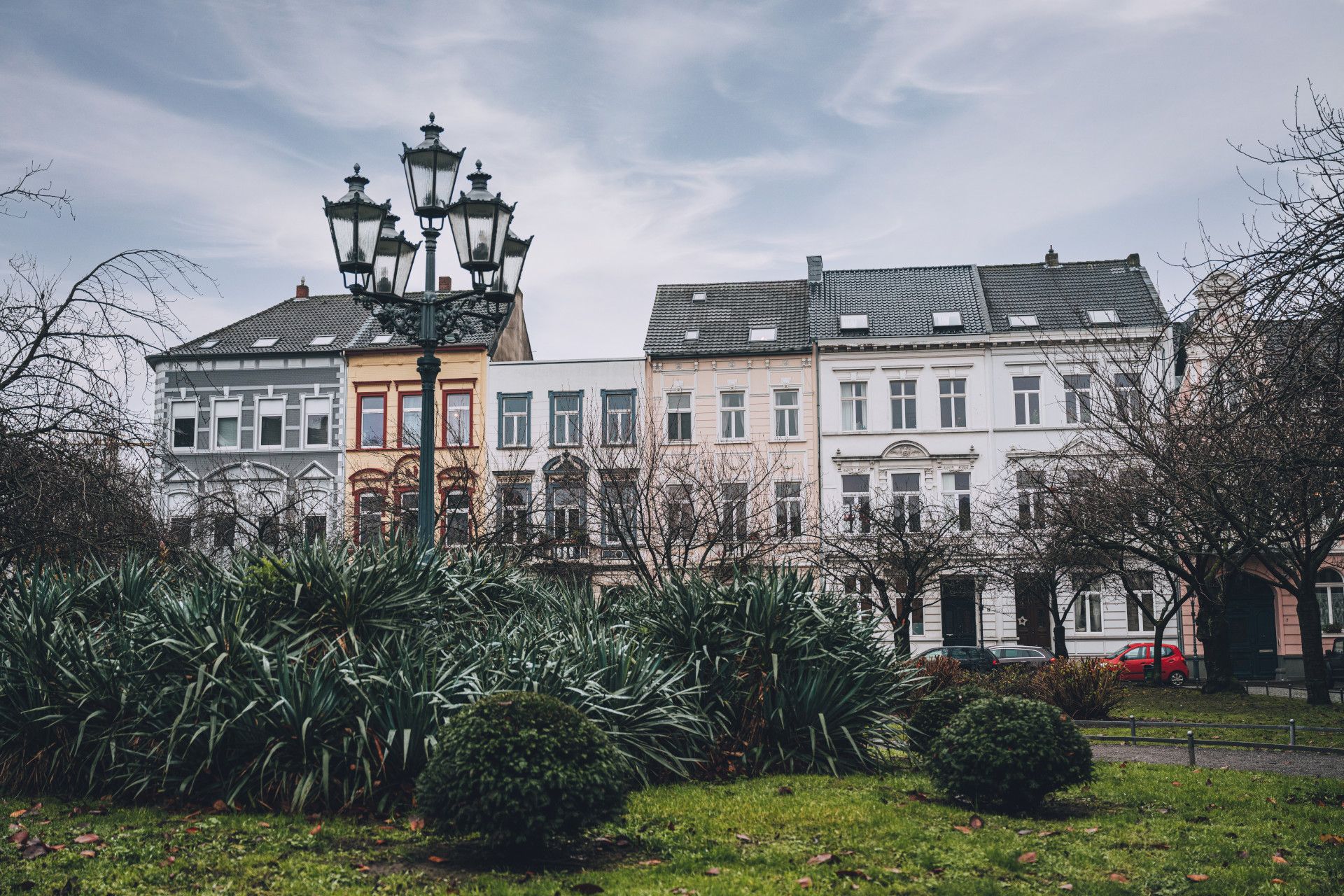
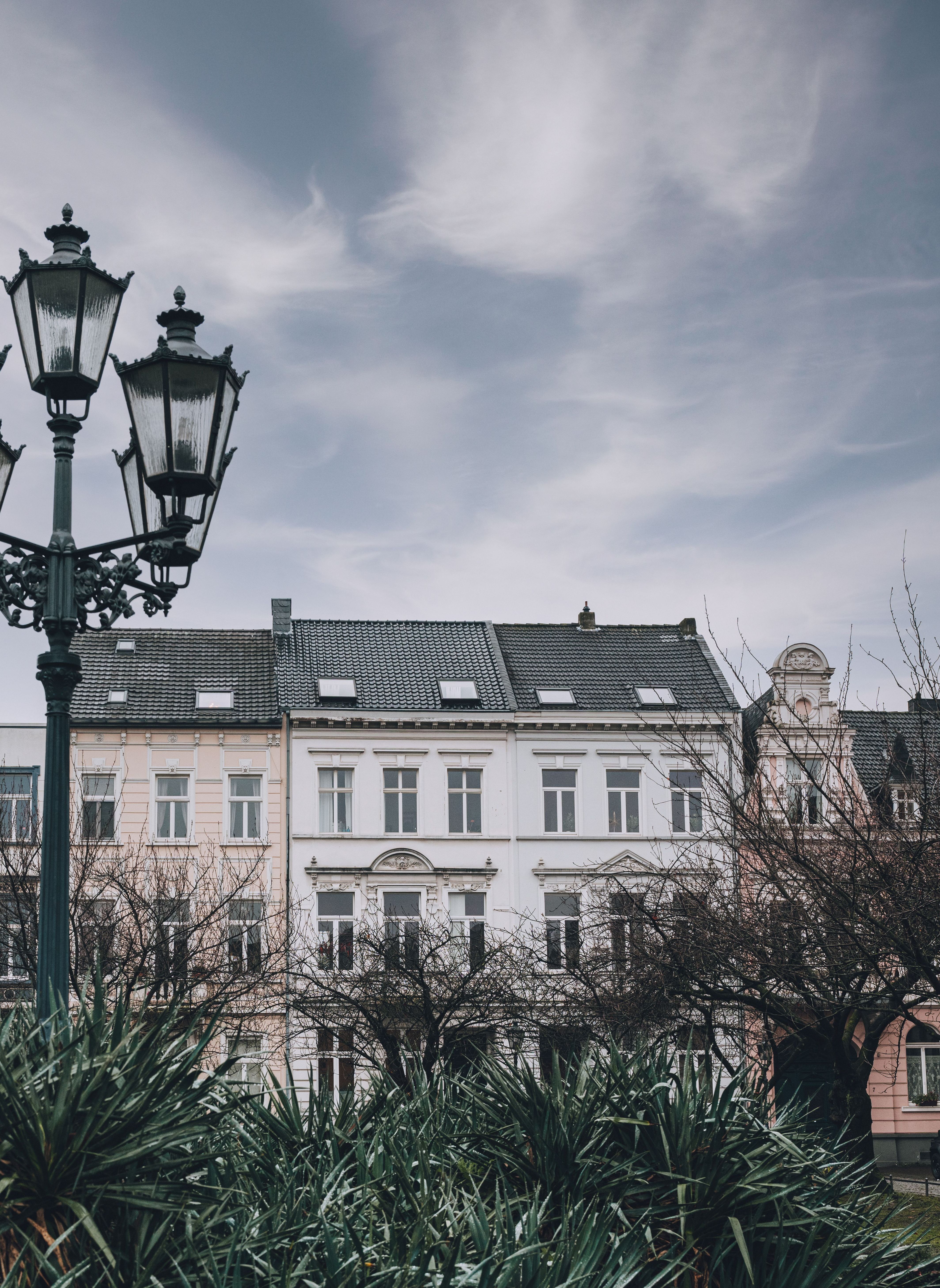
Johannes Höhn, Tourismus NRW e.V.; StreetArt-Künstler: Philipp Kömen, Graffiti mit Joseph Beuys und Hans Hollein an Hauswand in Mönchengladbach
Last stop:

Mönchengladbach

This time, the S-Bahn beats the regional train: the S8 takes me to Mönchengladbach in a scheduled 34 minutes. The city on the left bank of the Lower Rhine can boast of having given Joseph Beuys' career a huge boost with the first comprehensive solo exhibition. Let's go in search of traces around the Museum Abteiberg.

Around the Abteiberg

Traces and memories

A fishing waistcoat on, a cigarette in his mouth and eyes gazing into the distance: If you look up at the huge mural on the façade of the building on Johann-Peter-Bölling-Platz, you will realise how present Joseph Beuys still is in Mönchengladbach today. The artist celebrated great success in the green city on the Lower Rhine with his first comprehensive exhibition, which he organised in 1967 in the former museum on Bismarckstraße. It was here that he cemented his friendship with Hans Hollein, the internationally acclaimed architect of the Museum Abteiberg, who can be recognised right next to him in the mural.

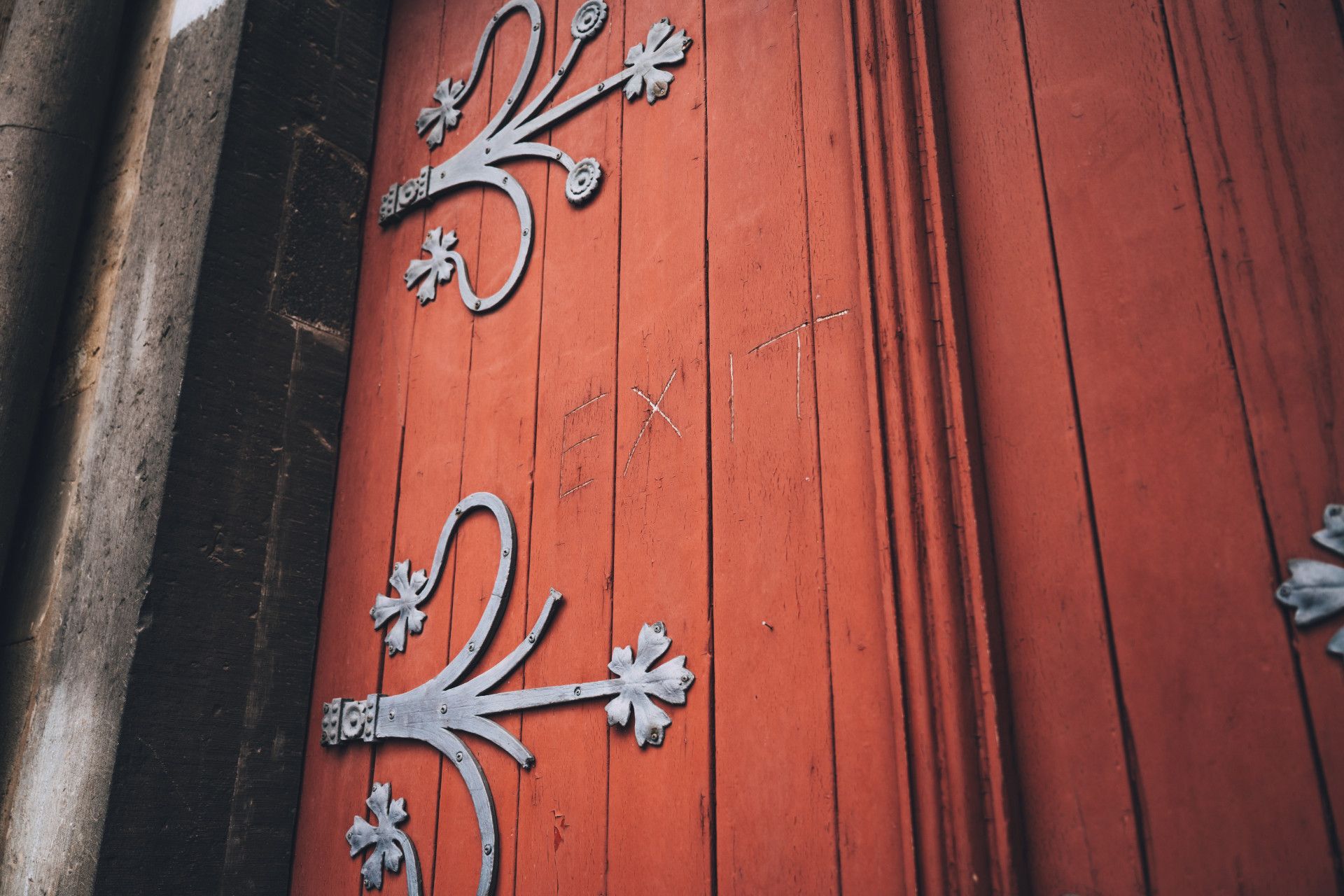
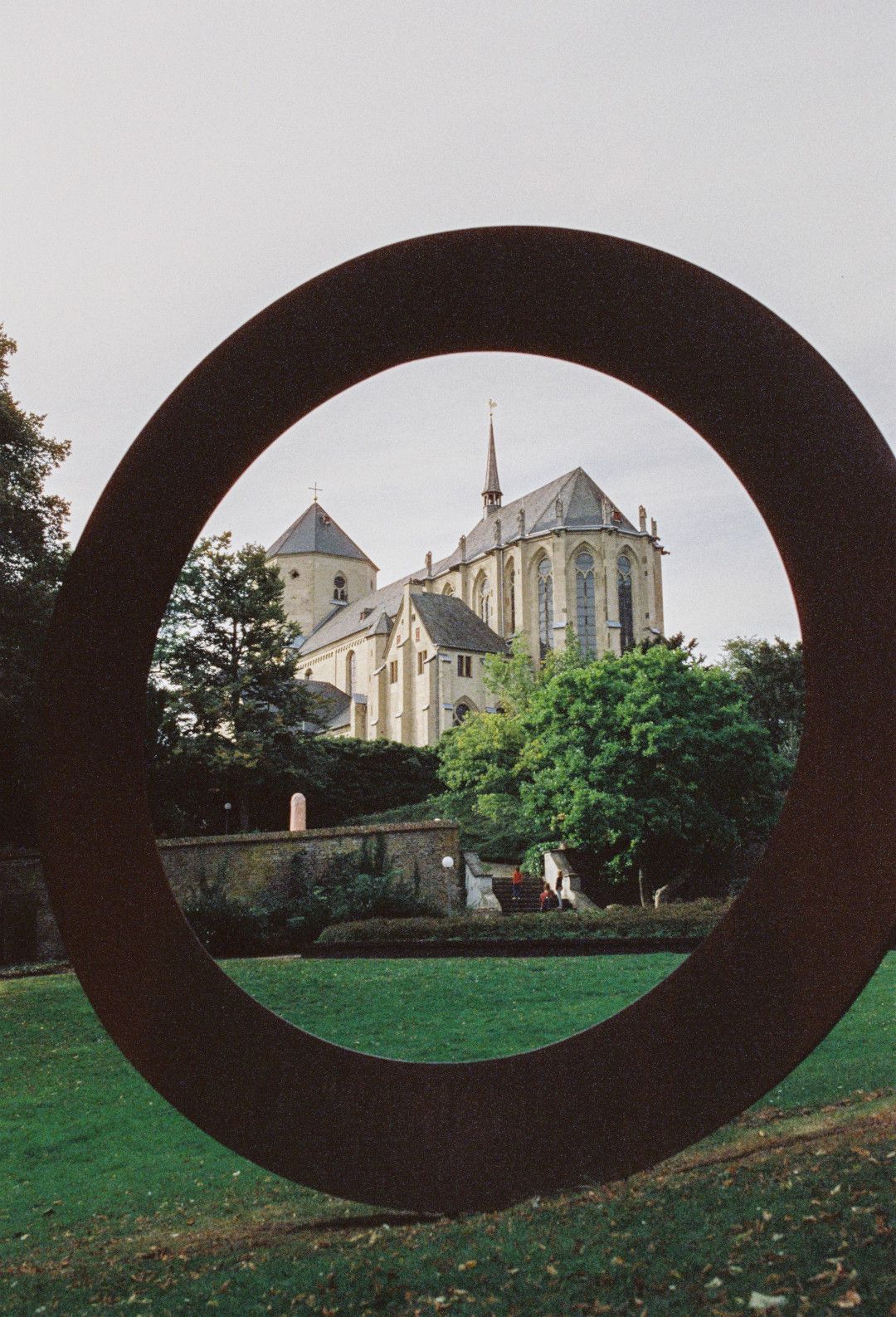
On a tour of the Abteiberg, another trace of Beuys can be discovered at the Basilica of St Vitus: in 1972, he wrote the word "Exit" on the portal of the cathedral during an action. The lettering can still be seen on the portal today; someone has carved it into the wood again. The idyllic Abbey Garden, just a few metres from the cathedral, is also worth a visit. Here, several sculptures by important sculptors are waiting to be discovered on the green spaces.

Finally, if you enter the Museum Abteiberg itself and look for works by Joseph Beuys, you will quickly find what you are looking for in this architectural masterpiece: Today, many objects and sculptures by Joseph Beuys belong to the institution, which specialises in modern and contemporary art.
Johannes Höhn, Tourismus NRW e.V., "Exit"-Schriftzug am Portal der Basilika St. Vitus in Mönchegladbach
Johannes Höhn, Tourismus NRW e.V.; StreetArt-Künstler: Philipp Kömen, Graffiti mit Joseph Beuys und Hans Hollein an Hauswand in Mönchengladbach
Johannes Höhn, Tourismus NRW e.V., Skulptur Anello, 2001, von Mauro Staccioli am Museum Abteiberg, Mönchengladbach

Curious?

Then take a look here for more information!

Museum Abteiberg

The Museum Abteiberg has one of the most important collections of art since 1960. In addition to changing presentations of the collection and international contemporary art, works from the past 50 years, some of which were created especially for this location, are on permanent display in the sculpture garden.

Opening hours
Tuesday11:00 - 17:00
Wednesday11:00 - 17:00
Thursday11:00 - 17:00
Friday11:00 - 17:00
Saturday11:00 - 18:00
Sunday11:00 - 18:00
Holiday11:00 - 17:00
DetailsMuseum Abteiberg

museum-abteiberg.de

    Fancy an overview?

    All stops at a glance

    • Joseph Beuys grew up on the Lower Rhine, just before the Dutch border, where he took his first steps and found his way to art.
      Directly to Kleve
    • Did Beuys ever visit the city of his birth by train? His work "Trans-Siberian Railway" proves it: At least in his mind, he once travelled by train.
      Directly to Krefeld
    • Thanks to the Rhine, Ruhr, Europe's largest inland harbour and the leisure-friendly inner harbour, the city not only boasts plenty of water, but also art museums worth seeing.
      Directly to Duisburg
    • Beuys lived and worked here for 25 years, but not all of the places where he lived and worked can still be seen today. A stroll through the historic city centre towards the Rhine to Joseph-Beuys-Ufer, with a stopover at the art academy.
      Directly to Düsseldorf
    • The city on the left bank of the Lower Rhine can boast of having given Joseph Beuys' career a huge boost with the first comprehensive solo exhibition. A search for traces around the Museum Abteiberg.
      Directly to Mönchengladbach

    Where is the railway?

    Special tips for special situations

    If you have to wait for the train in Kleve, it's worth taking a short walk along the Spoy Canal, where the little promenade will quickly take the edge off any railway troubles.

    In Krefeld, you can bridge any waiting times with a detour to the Stadtgarten, a green island in the centre of the city.

    In Duisburg, it's honestly worth taking the next train on purpose...In the Wasserviertel district not far from the station, Simply Coffee serves speciality coffee and cakes in the afternoon, while Brasserie Förster around the corner serves fine food and great menus in the evening.

    Japanese dishes and snacks bridge sudden waiting times in Düsseldorf. In Little Tokyo in Immermannstraße, you can browse and feast for a short or long time, depending on the time available.

    If it takes longer at the train station in Mönchengladbach: You can pass the time in the colourful garden.

    New tips every two months

    Insider tips & excursion ideas

    Newsletter

    Fancy some mail? Then subscribe here to our every two months newsletter with information on special travel offers, selected short tips for short trips and other insider tips for travelling in North Rhine-Westphalia.

    Click here to register