Green, sustainable and innovative: this is the International Garden Exhibition Ruhr Metropolis, or IGA 2027 for short. When the show opens its doors from April 23 to October 17, 2027, the heart of the Ruhr region will become the center of one of the most exciting garden and future projects in Europe. Under the motto "Zukunft.Blüht.", a festival will be created here that combines garden art, urban development and industrial culture.
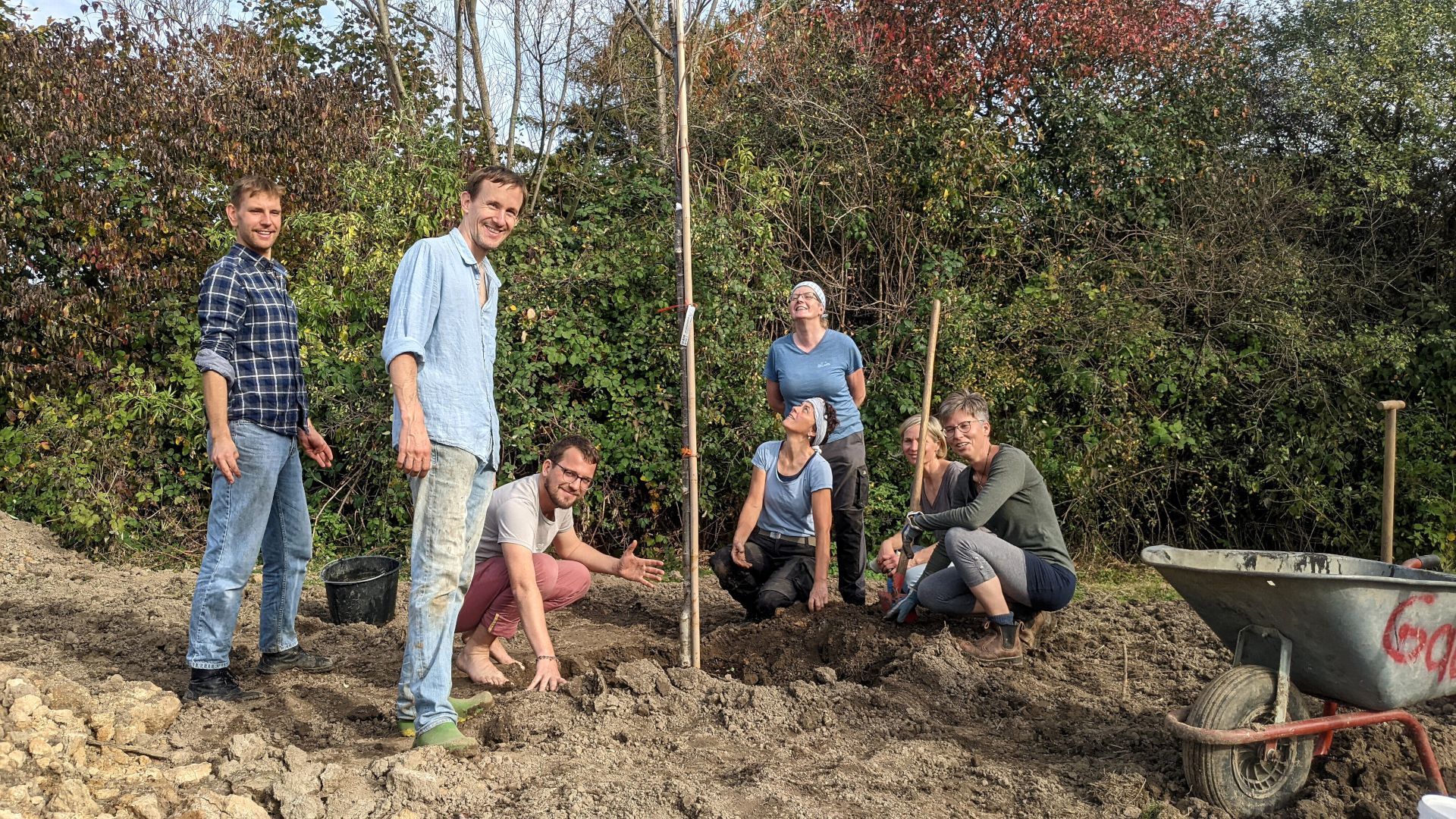
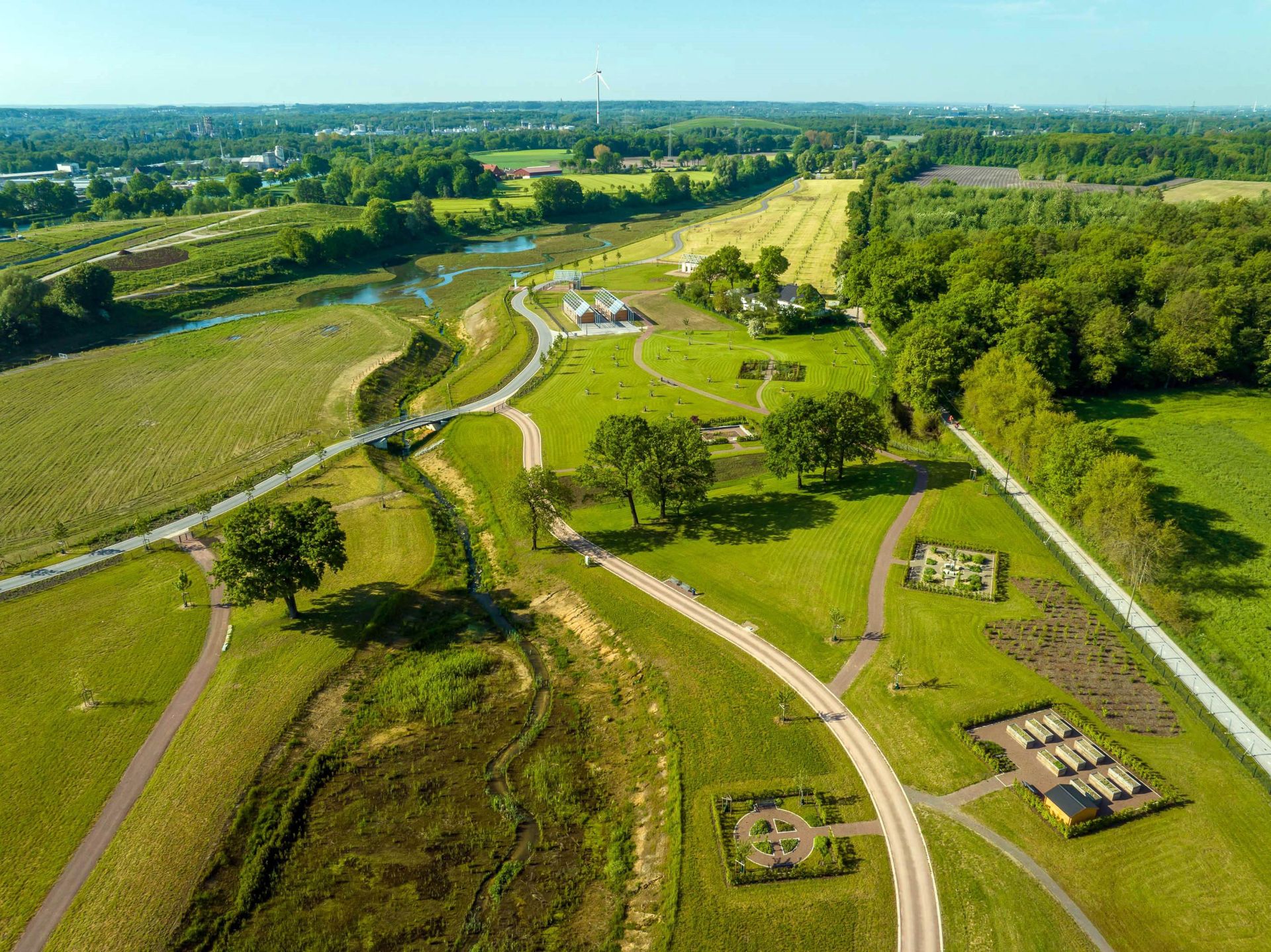
For the first time, an international garden exhibition will take place in North Rhine-Westphalia and radically rethink the concept of the format, which has existed since 1869: instead of a central exhibition area, the IGA 2027 will focus on three design levels that incorporate the entire Ruhr region: The so-called Future Gardens are real-life laboratories that depict the life of tomorrow at five large main locations, namely Dortmund, Duisburg, Gelsenkirchen, Lünen and Castrop-Rauxel. In addition, there are numerous smaller projects that showcase existing parks, green spaces and recreational areas under the title "Our Gardens". This is complemented by the "My Garden" project, in which initiatives by citizens, associations and local authorities contribute their own ideas and open spaces to the overall project.
The future of urban living
This opens up an impressive variety for visitors to the IGA 2027: instead of a unique venue, they can expect a whole network of experiences, landscapes and themes. Around 6,000 events are planned as part of the major event. Travelers can look forward to garden and plant presentations, artistic installations and open-air concerts, workshops, research projects and hands-on activities. It's not just about the splendor of flowers, but also about the future of urban life. Topics such as climate adaptation, the circular economy, mobility and nutrition play a central role.
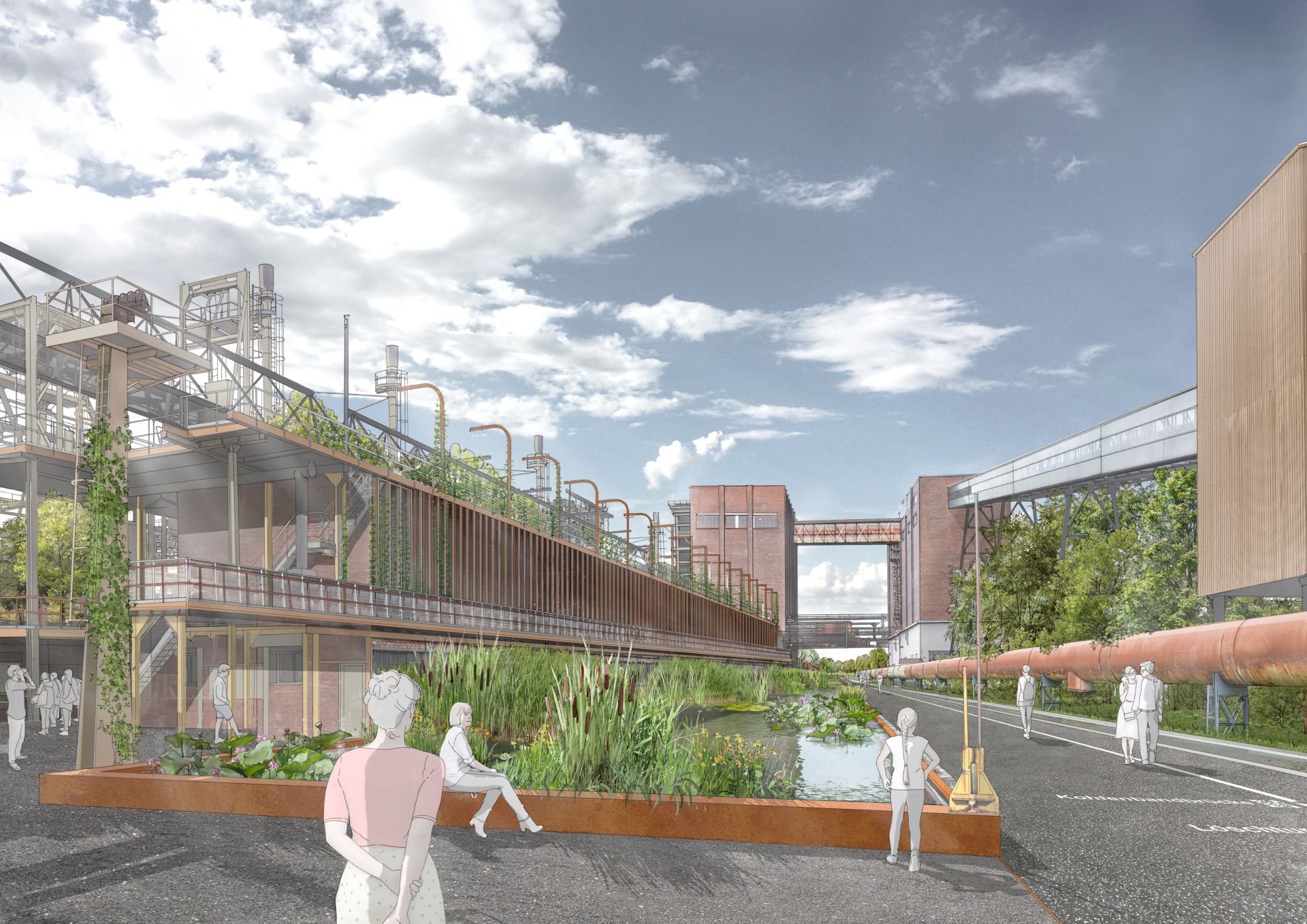
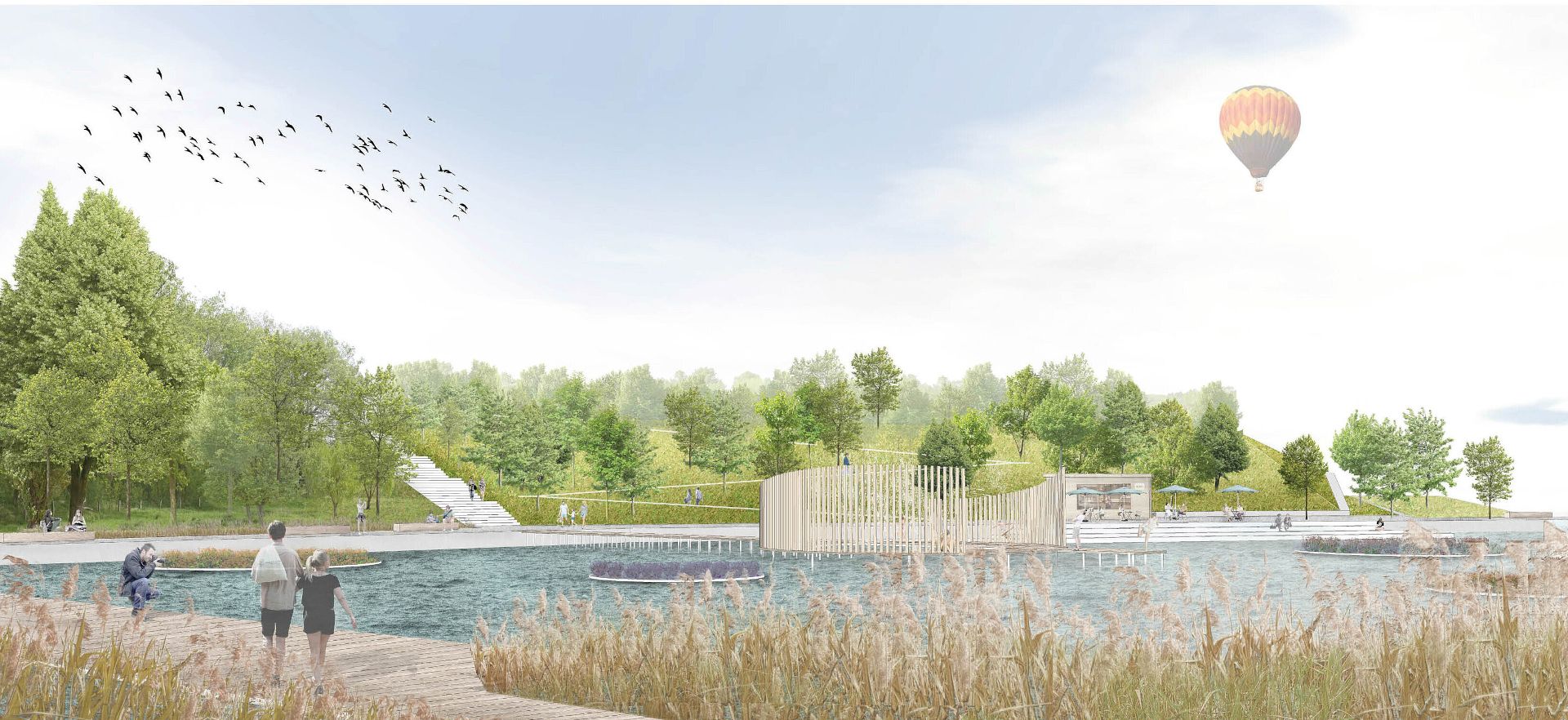
The five Future Gardens reflect the diversity of the region: in Duisburg, an area is being created at the Rheinpark that will reintegrate the river into the cityscape and transform old industrial areas into modern open spaces. In Gelsenkirchen, the Nordsternpark, once a colliery site, is being transformed into an "island of the future", where water, energy and mobility are the themes. Dortmund, on the other hand, is focusing on contrasts: in the Huckarde district, the industrial past of the Hansa coking plant is being combined with modern landscape parks and new cultural areas. Between Lünen and Bergkamen, a place of peace and nature is being created on the site of the former Viktoria I/II colliery - ideal for walks between slag heaps and lakes. And finally, the Emscherland Future Garden around Castrop-Rauxel and Recklinghausen presents the renaturation of the Emscher with orchards, waterways and leisure activities.
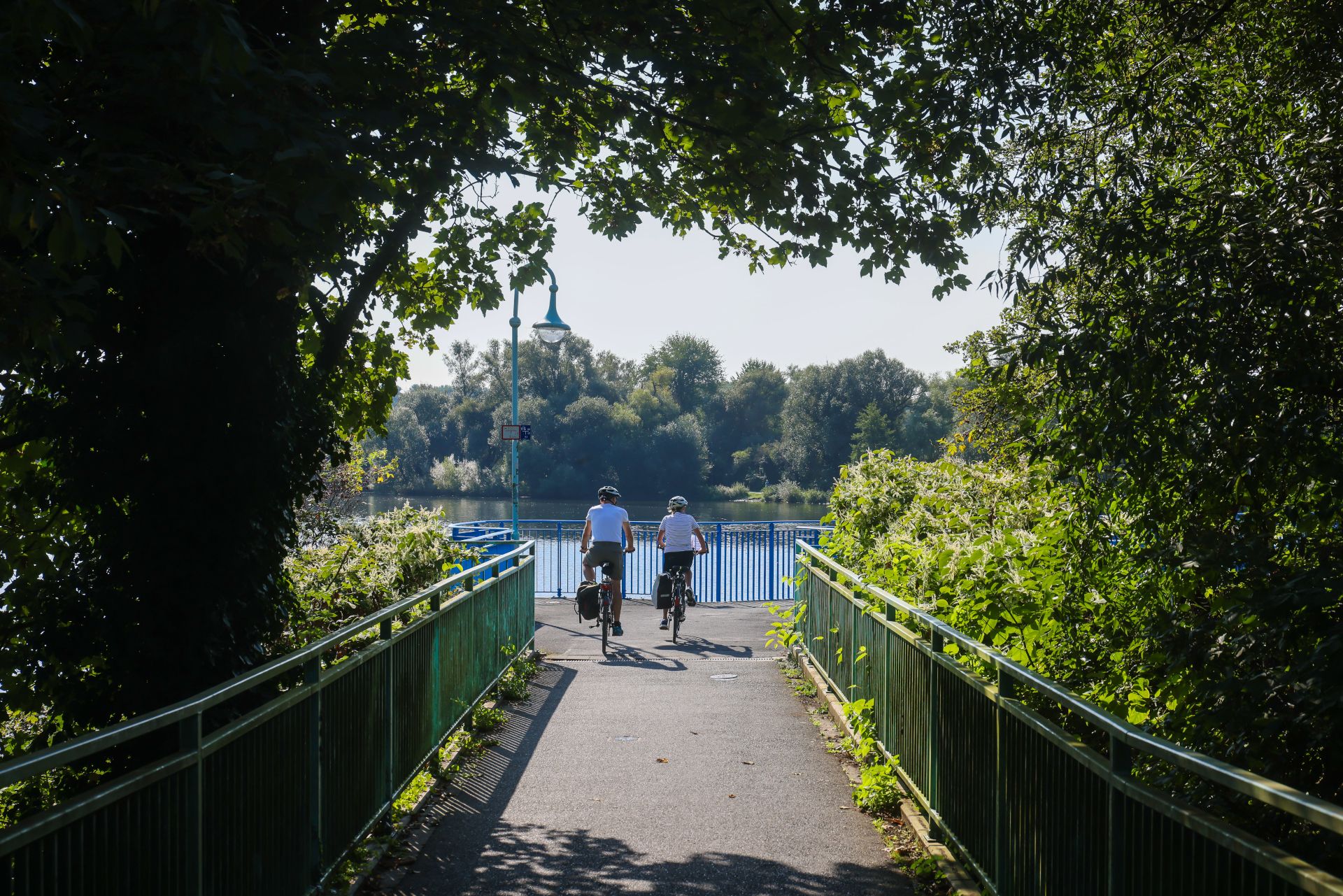
For travel enthusiasts, the IGA 2027 offers a unique opportunity to get to know the Ruhr region in all its diversity. The individual locations are well connected by the dense transport network, making a multi-day tour through the region ideal - for example with a visit to Duisburg's cultural harbor, a bike tour along the Rhine-Herne Canal, a walk through the colliery landscapes of the Nordsternpark or a trip along the Emscher Trail to the mouth of the Rhine near Dinslaken. Many cities are also using the IGA to strengthen their tourist infrastructure. In future, the IGA cycle path will form a link between the Future Gardens and individual main IGA locations.