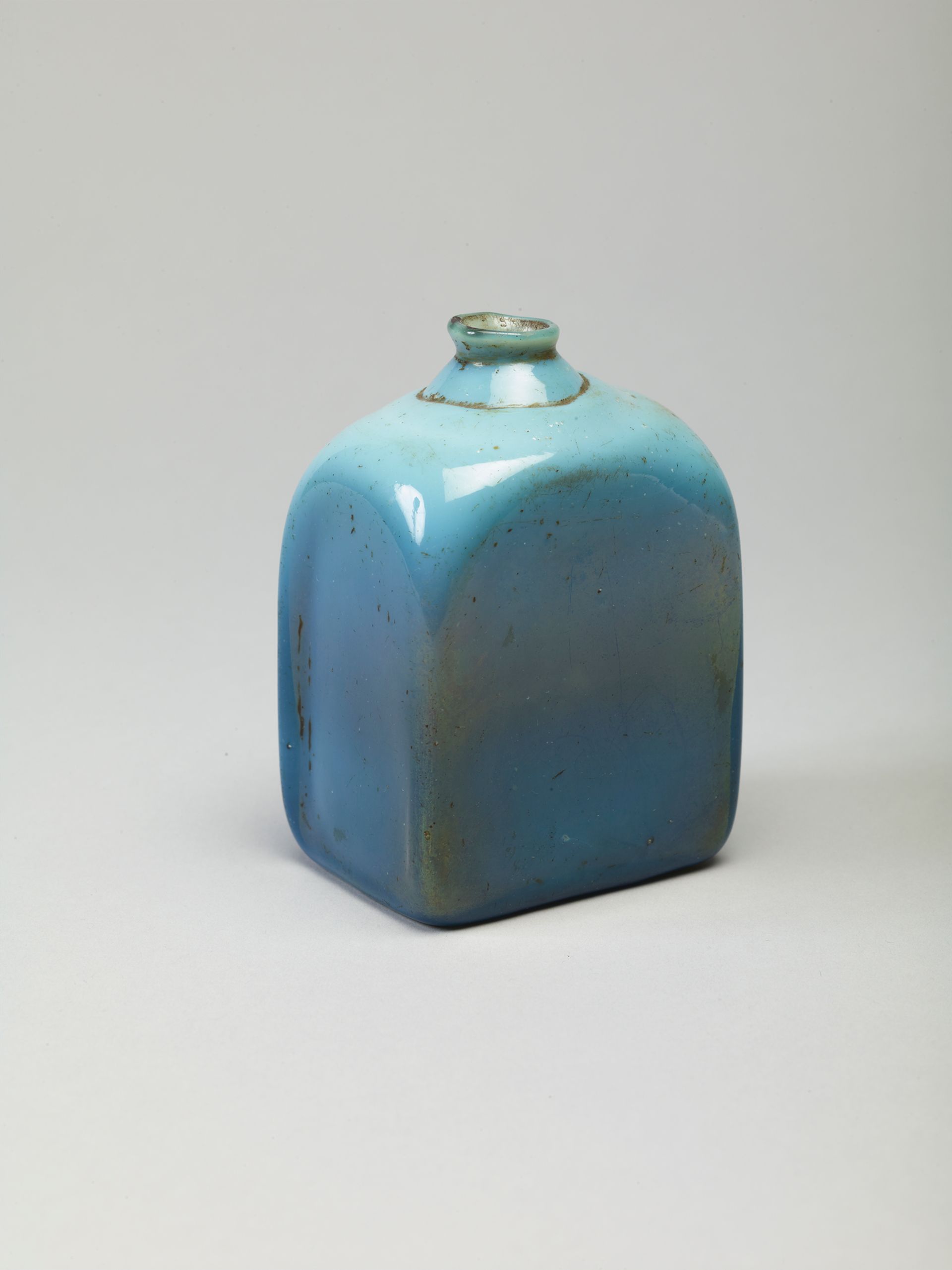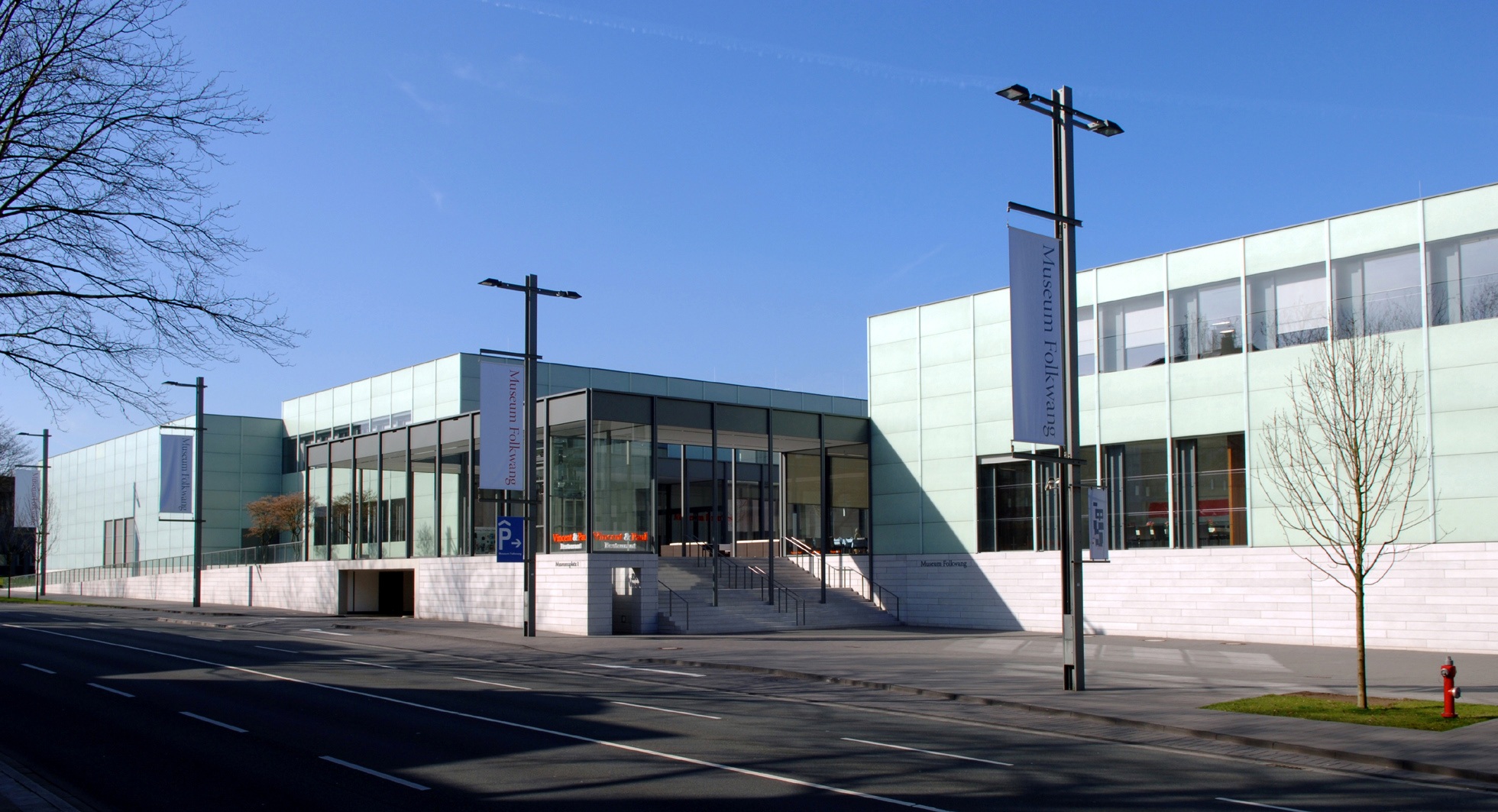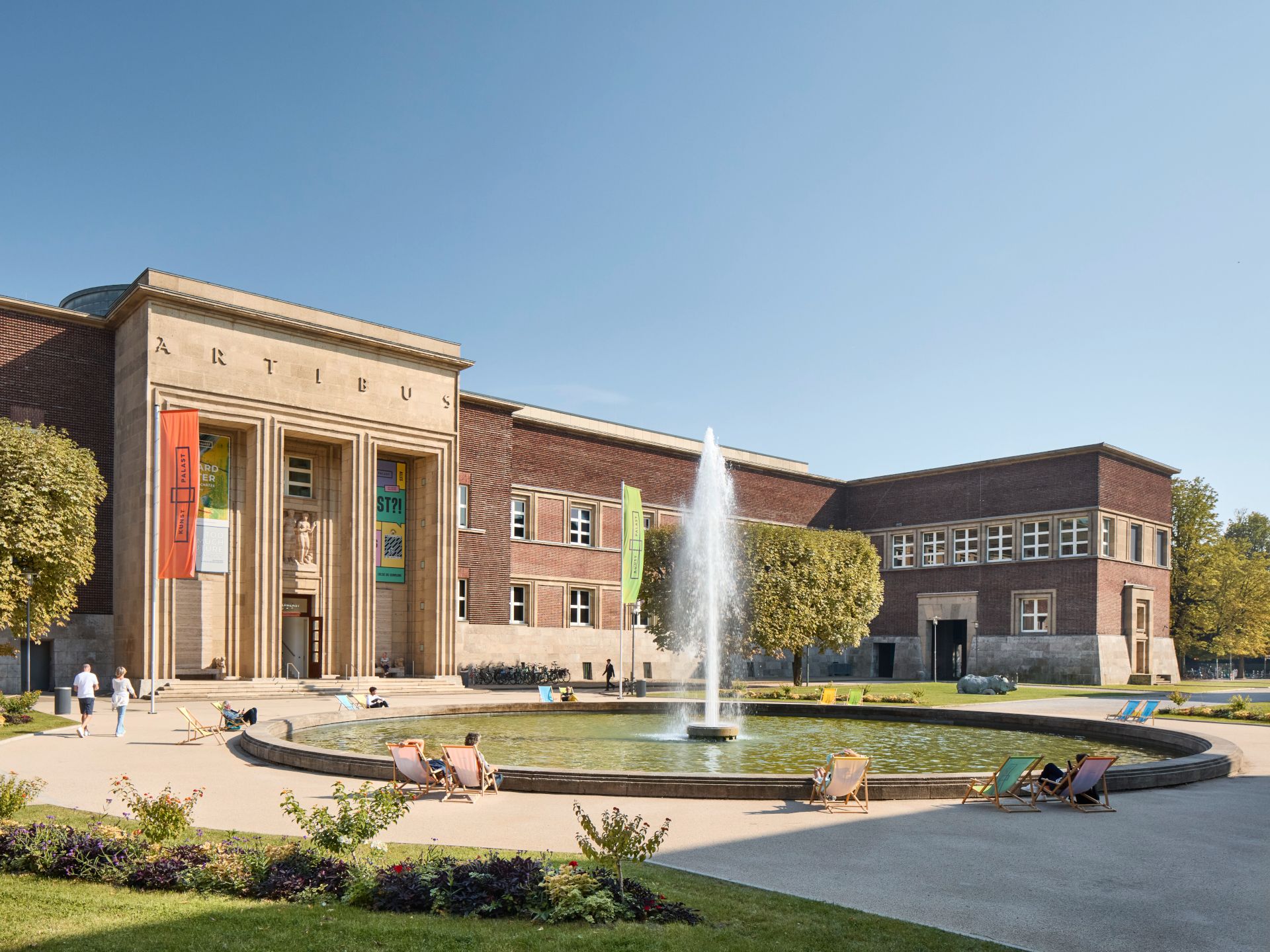
The exhibition "To Damascus ... Karl Ernst Osthaus and the Islamic Arts" will focus on the former "Islamic Department" of the Museum Folkwang for the first time from November 6, 2026. The patron of the arts, collector and museum founder was already collecting works of art from North Africa and West Asia at the end of the 19th and beginning of the 20th century, long before he acquired famous paintings by Renoir or van Gogh. These historical collections played a decisive role in shaping the so-called "Folkwang idea" and influenced not only the aesthetics of the museum, but also its design and architecture.
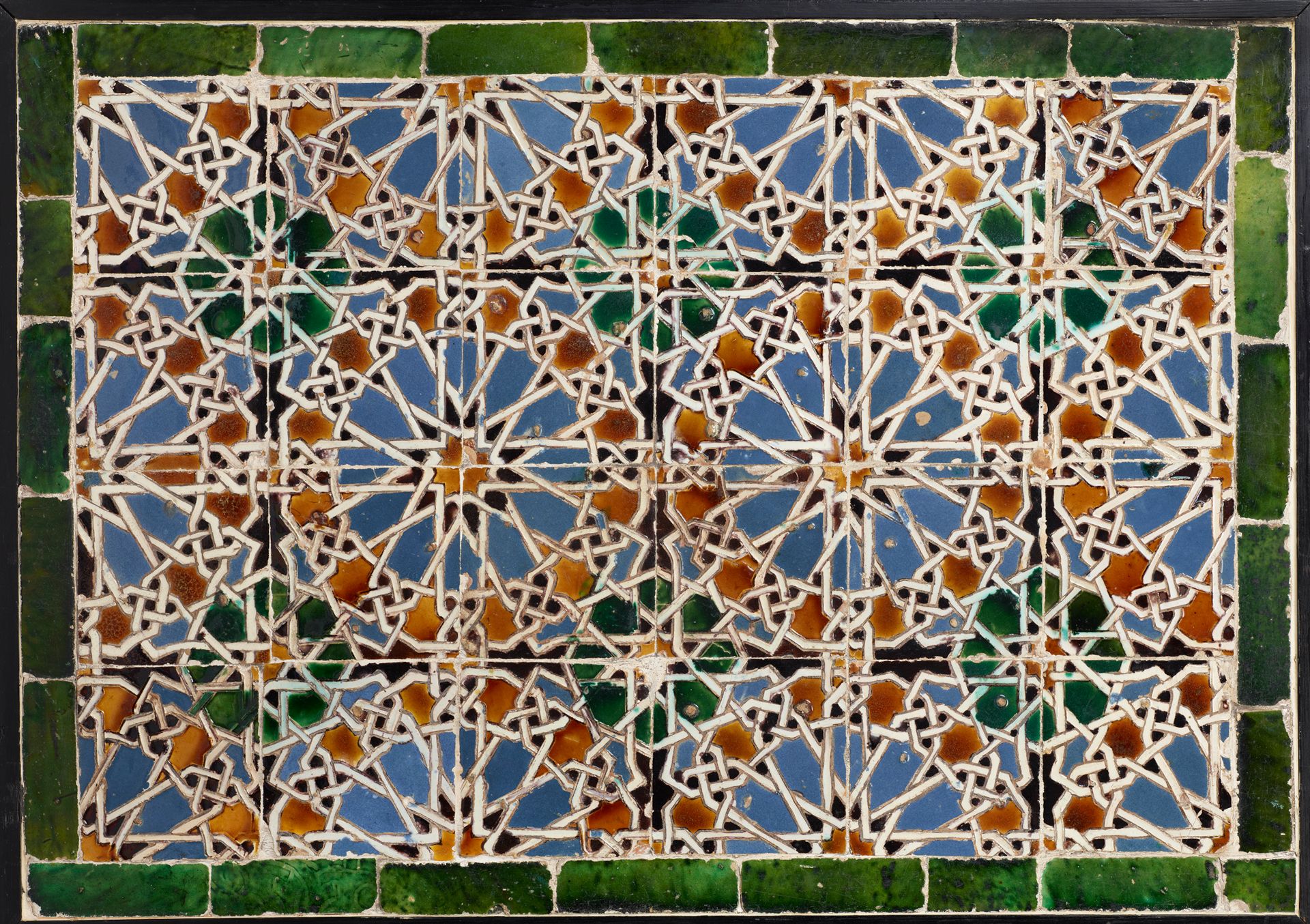
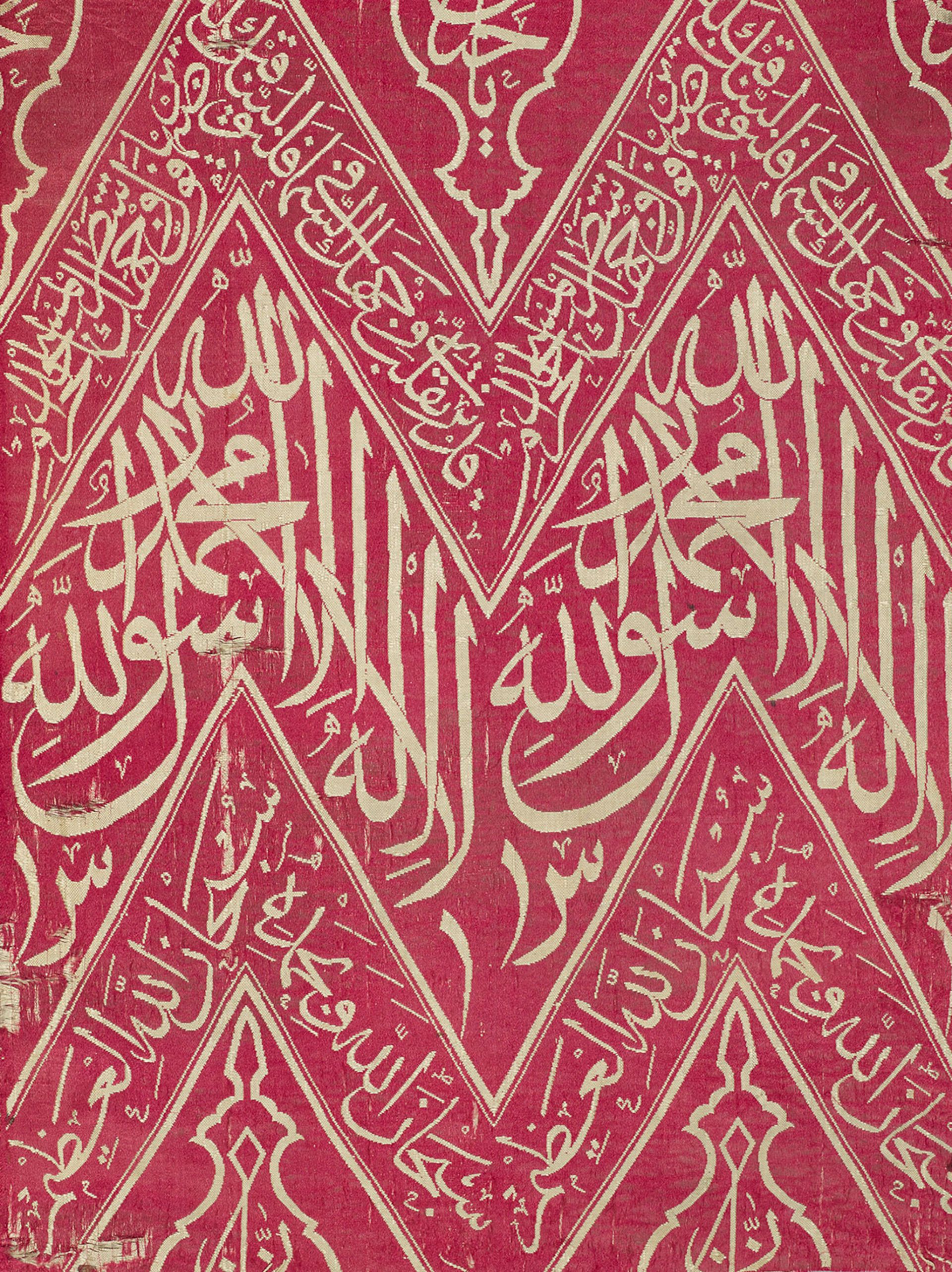
Around 300 objects now provide a representative insight into the Folkwang's Islamic art collection, one of the earliest of its kind in Germany. On display are gleaming ceramics, lavishly decorated fabrics, a precious Šāhnāma ("Book of Kings") and an important collection of Ibero-Islamic tiles. The latter were highly prized by star architect and Bauhaus founder Walter Gropius.
The exhibition combines historical exhibits with groups of works from classical modernism, European design and contemporary new productions in order to illustrate the connection between past and present. In this way, it also addresses current issues relating to the origin, musealization and cultural significance of Islamic art.
Services
- Admission to the exhibition "To Damascus... Karl Ernst Osthaus and the Islamic arts"
- Admission to the permanent collection of the Museum Folkwang