Weeks of rain in summer while a heatwave continues elsewhere or T-shirt temperatures in winter while it is freezing cold elsewhere - is this bad weather or a consequence of climate change? What is the difference and, above all, what options are there for action? There are various excursion destinations in North Rhine-Westphalia that provide information and inspiration on the subject of climate change: Museums offer educational exhibitions and educational programmes, a guided city tour presents places and sights that have a positive impact on the urban climate and an app draws attention to specific climate changes in the forest on family hiking routes.
Interactive and informative
Excursion topic: climate change
Tip 1
Teutoburg Forest climate experience
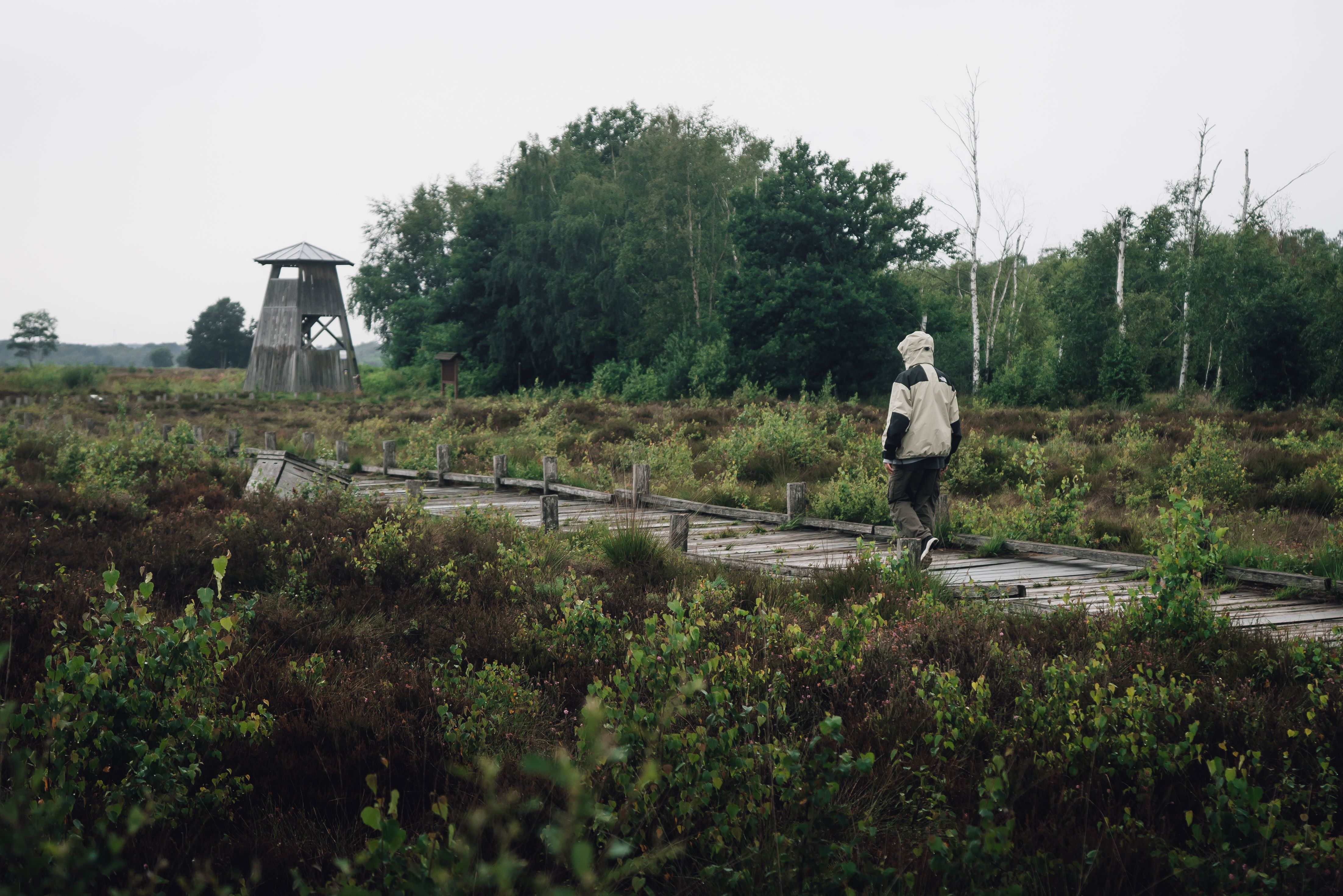
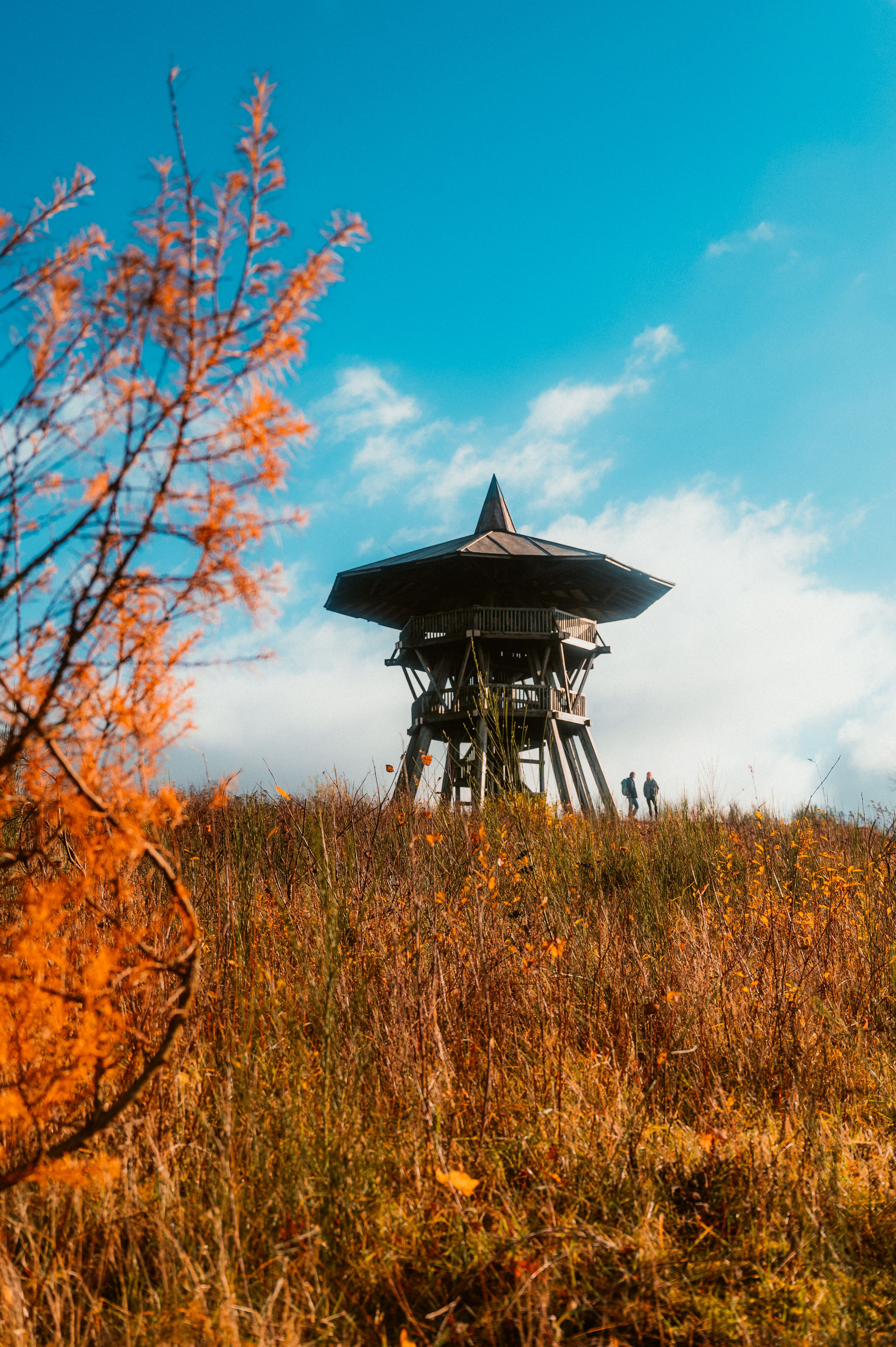
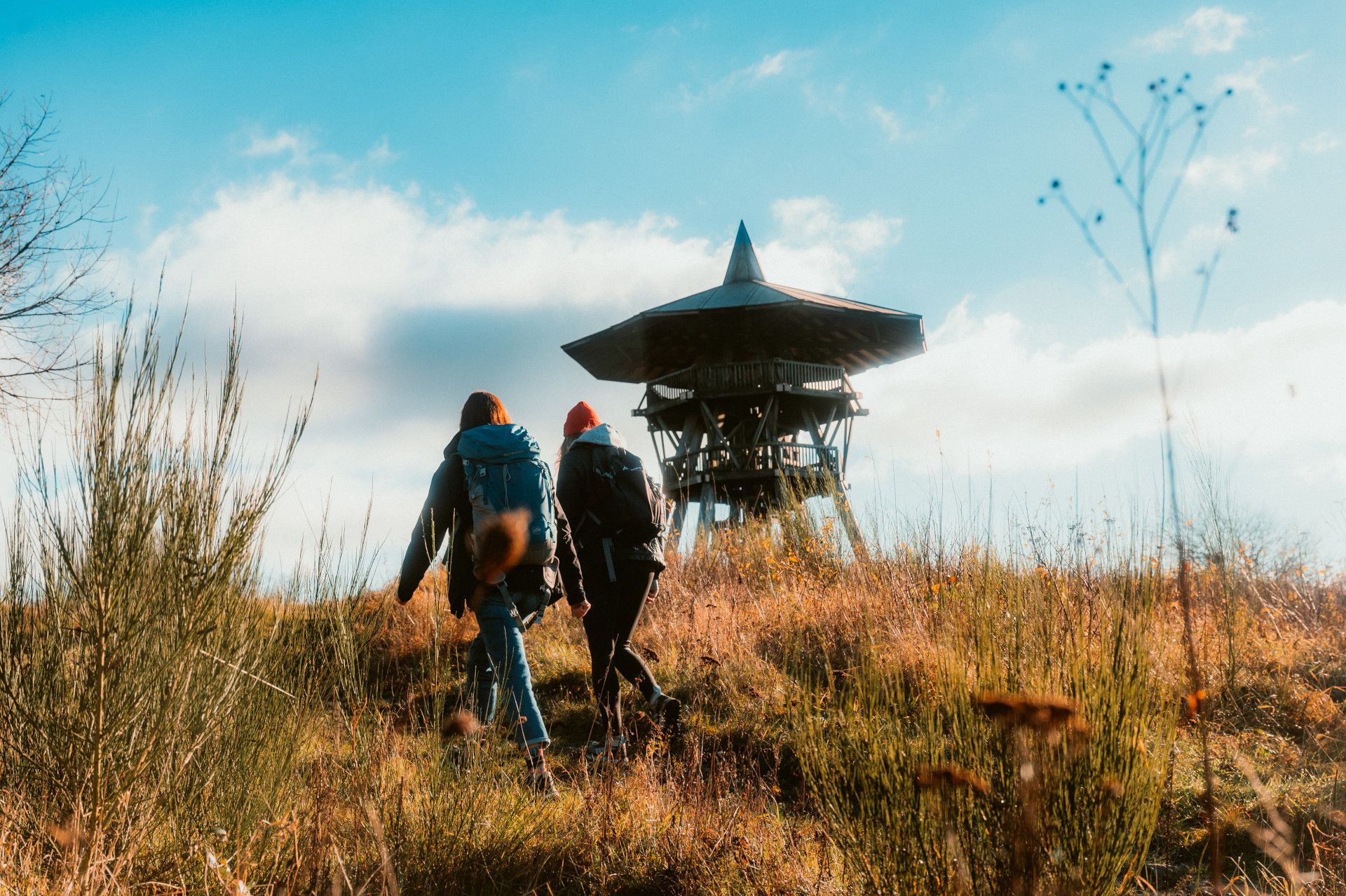
Climatic influences have always been clearly visible in the Teutoburg Forest / Eggegebirge Nature Park, as two climate zones have always clashed here with an Atlantic and continental climate. A new app now guides you through nature on family-friendly trails and points out traces of man-made climate change interactively and using augmented reality. Two routes are currently available in the "Forest and Climate" app, with more to follow.
The Climate Experience World in Oerlinghausen is another excursion destination in the region that makes climate change and adaptation options tangible. On the one hand, recycling and sustainability played a major role in the construction of the exhibition building, while on the other, the content focuses on the background, consequences and concrete options for action relating to the complex issue of climate change.
Tip 2
Climate change in Düsseldorf
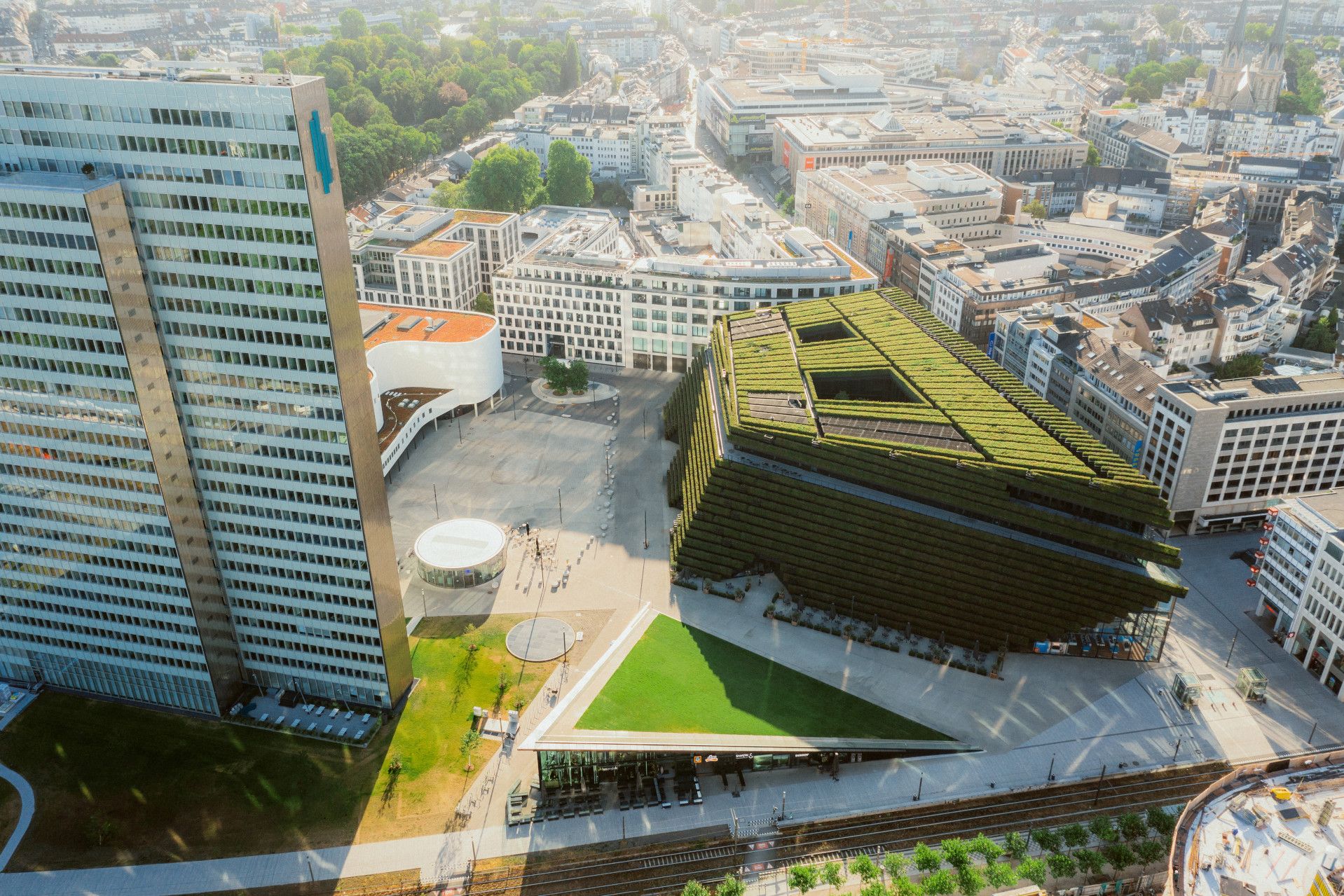
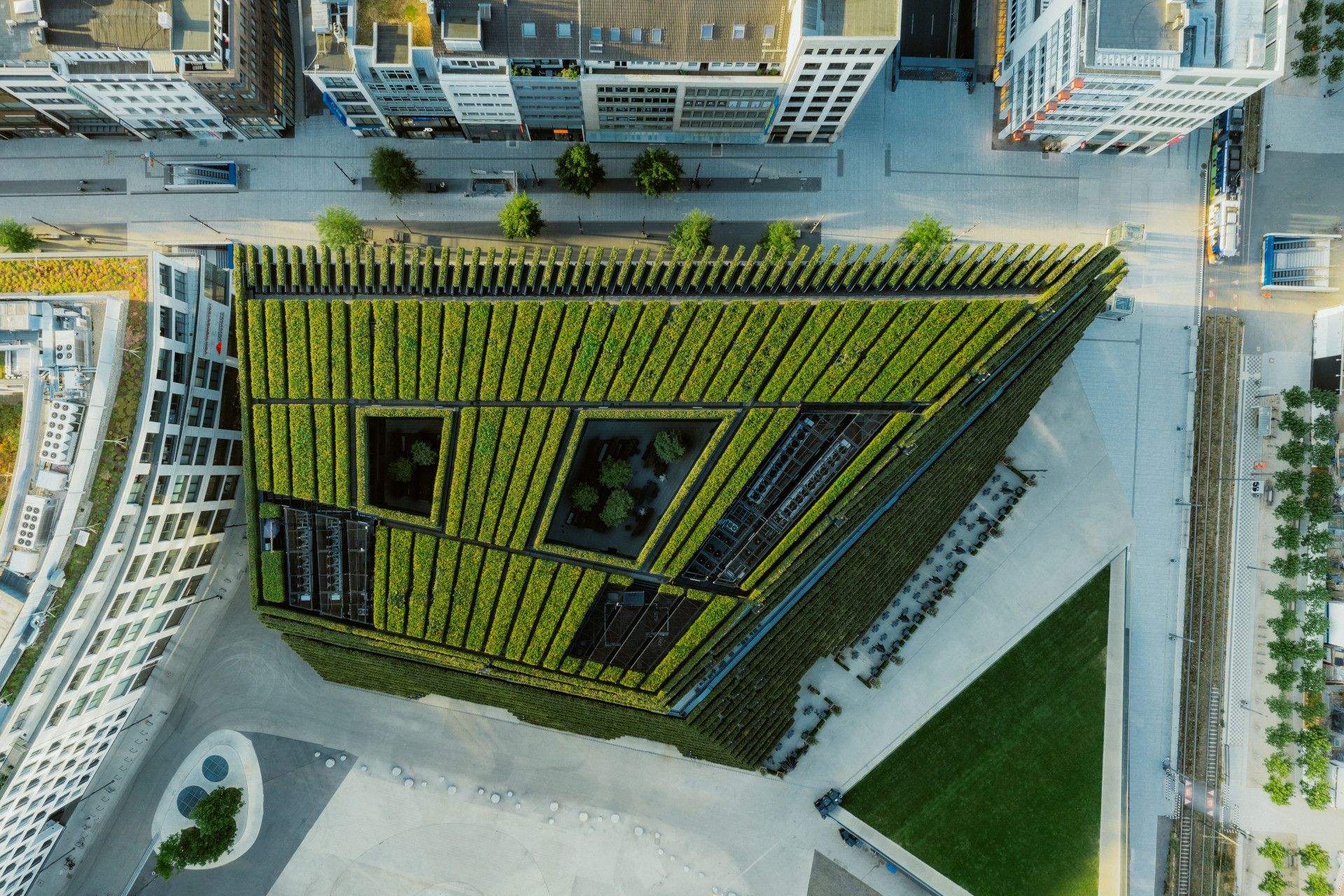
How can cities adapt to climate change? A guided tour of the city on the Rhine provides answers and presents examples: The approximately two-hour tour "Klima (wandeln) in Düsseldorf" takes you past places of interest, reports on the city's history - and shows how climate change is being countered in concrete terms, for example with contemporary trees, cooling water features or buildings such as Kö-Bogen 2, which has the largest green façade in Europe.
Tip 3
Energeticon sheds light on the energy transition
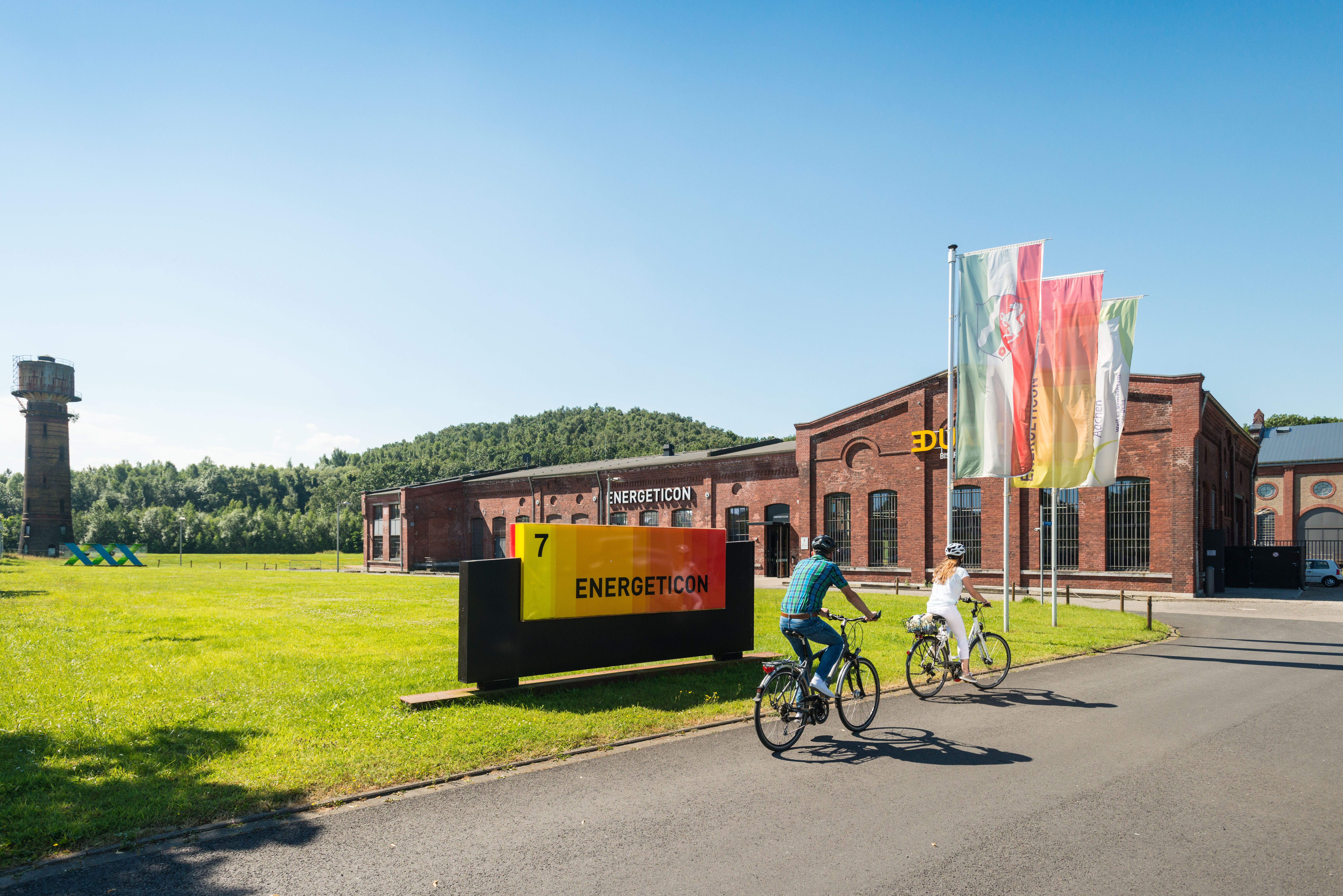
The switch from fossil fuels to renewable energies is the focus of this experience museum in Alsdorf near Aachen. On the site of the former Anna II mine, the Energeticon's multi-layered exhibition illustrates the factors that make the energy transition necessary and how it can succeed, for example by generating electricity from wind, water, sun and biomass. Visitors can test, tinker and get active at 30 interactive learning stations. For example, they can take a spin on a wind wheel and generate the energy they need to get around or get to the bottom of intelligent power grids.