LVR Industrial Museum Museum Eisenheim

Oberhausen

Eisenheim workers' housing estate - the first workers' housing estate in the Pott

More than 150 years ago, the Eisenheim workers' housing estate in the district of the same name was the first development of its kind to be built specifically for the iron and steel workers of the nearby Gutehoffnungshütte in Oberhausen. Construction began in 1846, making the Eisenheim workers' housing estate one of the oldest in Germany. By 1900, more than 1,200 people were already living in 51 houses in the colliery colony. At that time, it was standard to accommodate two or even four families in one house. After the Second World War, the estate was neglected and numerous buildings fell victim to demolition or were replaced by new buildings. Complete demolition was threatened in the 1970s, but was prevented by the courageous efforts of the local population.

A walk through the past

The citizens' petition in Eisenheim remains legendary to this day. As a result, 39 houses have been preserved and are now listed buildings - meaning that the first German workers' housing estate will be preserved for the future. There is a museum in the former wash house of the Eisenheim workers' settlement, where you can relive the eventful history of the ironworks settlement in pictures and sound. You will get an impression of what life was like for the miners' families in such a settlement at the time.


Important information about accessibility: certificates

  • Some information on accessibility are listed below. For detailed information please see the evaluation report.

    • There is a public parking lot available (Berliner Str., at 35 m distance).
    • The path in front of the entrance is easy to walk and drive on and has a maximum longitudinal gradient of 3 % over a distance of 15 m .
    • The museum is only accessible via one step (14 cm). Evaluated rooms and facilities available to the guests are steplessly accessible at ground level.
    • The living house is only accessible via two steps (15 cm). The exhibition rooms on the upper floor are only accessible via stairs. 
    • All evaluated passageways/doors available to the guests are at least 69 cm wide.
    • The cash desk is 77 cm high at its lowest point. There is other, equivalent communication possibility while in a sitting position.
    • The exhibits and the information on the exhibits are predominately visible and readable while sitting.
    • There is a public toilet, which can be accessed via a maximum of one step and has a door width of at least 70 cm.
    • There is no public toilet designed for people with disabilities.
    • Guided tours for people with walking impairments and wheelchair users are offered on request. A reservation in advance is necessary. 
    • The guided tours for wheelchair users are only offered at the Museum Eisenheim. 
    Detailed information for people with walking difficulties and wheelchair users
  • Some information on accessibility are listed below. For detailed information please see the evaluation report.

    • There is no alarm.
    • There is no audio induction loop.
    • The information on the exhibits is provided in written form.
    • Guided tours for people with hearing impairment and deaf people (in German sign language) are offered. A reservation in advance is necessary.
    Detailed information for people with hearing impairments and hearing loss
  • All areas relevant for testing meet the quality criteria of the label "Accessibility certified - partially accessible for people with visual impairments".

    Some information on accessibility are listed below. For detailed information please see the evaluation report.

    • Assistance dogs are allowed in relevant areas/rooms.
    • The entrances are visually rich in contrast, but not recognizable by a tactile change of floor covering.
    • All evaluated areas usable by the guest are well illuminated, i.e. bright and glare-free.
    • There are no visually contrasting or tactilely detectable floor indicators.
    • There are no visually contrasting or tactilely detectable floor indicators available. 
    • The signage is designed in clearly legible and contrasting font.
    • Steps are not visually rich in contrast.
    • Stairs in the living house have a handrail on one side.
    • The exhibits/stations/objects are usually well illuminated. 
    • The information on the exhibits/stations/objects is predominately/exclusively provided in writing and is not visually rich in contrast.  
    • There are no guided tours offered for people with visual impairments and blind people.
    • Information is not available in Braille or prismatic writing.
    Detailed information for people with visual impairments and the blind
  • Some information on accessibility are listed below. For detailed information please see the evaluation report.

    • The name or logo of the museum is clearly recognizable from the outside.
    • The destinations of the paths are always within sight or there are signs at a visible distance.
    • There is no colored or pictorial guidance system.
    • The information on the exhibits is provided in written form, but not in easy language.
    • Guided tours for people with cognitive impairments are offered on request. A reservation in advance is necessary.
    Detailed information for people with walking difficulties and wheelchair users

Important information at a glance

  • Always open

    Open all day

And what else?

This could also be interesting

  • To Page Movie Park Germany

    Movie Park Germany

    Bottrop
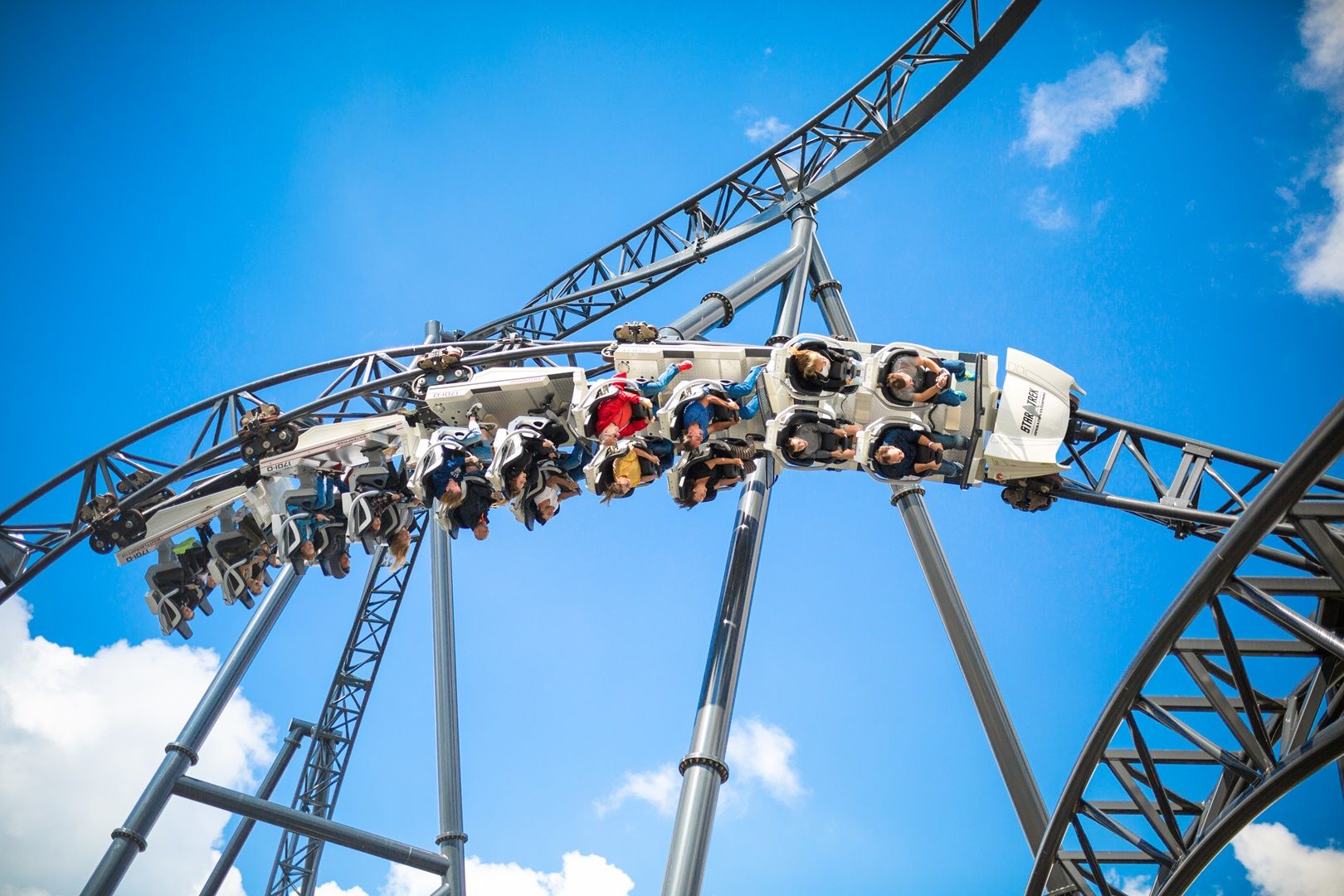
    Off to the Wild West! Or would you prefer to go into space with Star Trek? Guests of all ages can get up close and personal with their heroes and experience fast-paced fun on rollercoasters & co.
    Learn more
  • To Page LWL Museum Hanover Colliery

    LWL Museum Hanover Colliery

    Bochum
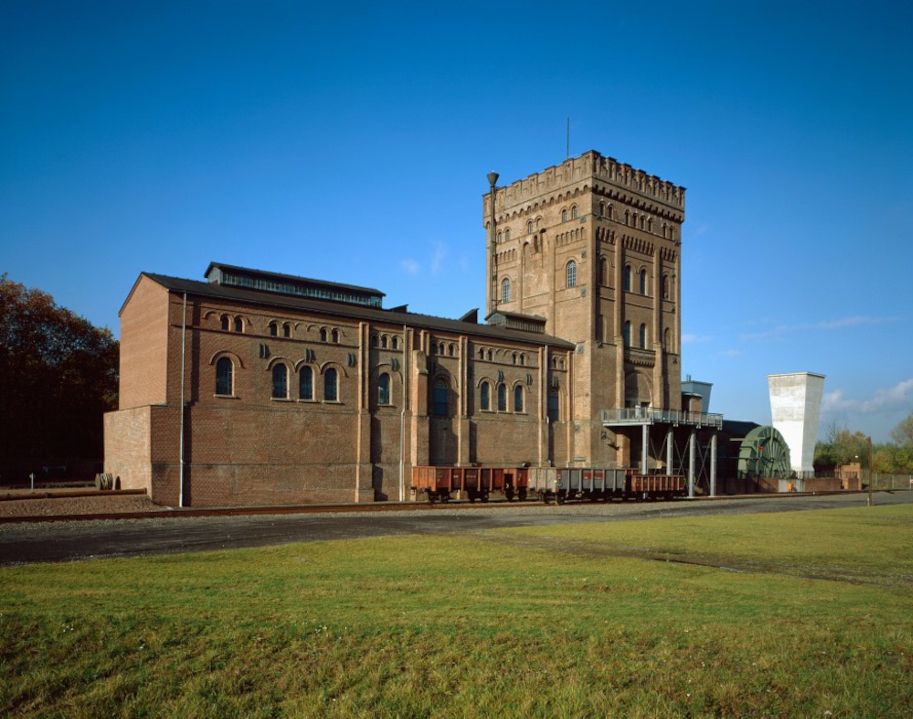
    Like a medieval castle, the winding tower of the Hanover colliery rises into the sky in the north of Bochum.
    Learn more
  • To Page LVR Industrial Museum Cromford Textile Factory

    LVR Industrial Museum Cromford Textile Factory

    Ratingen
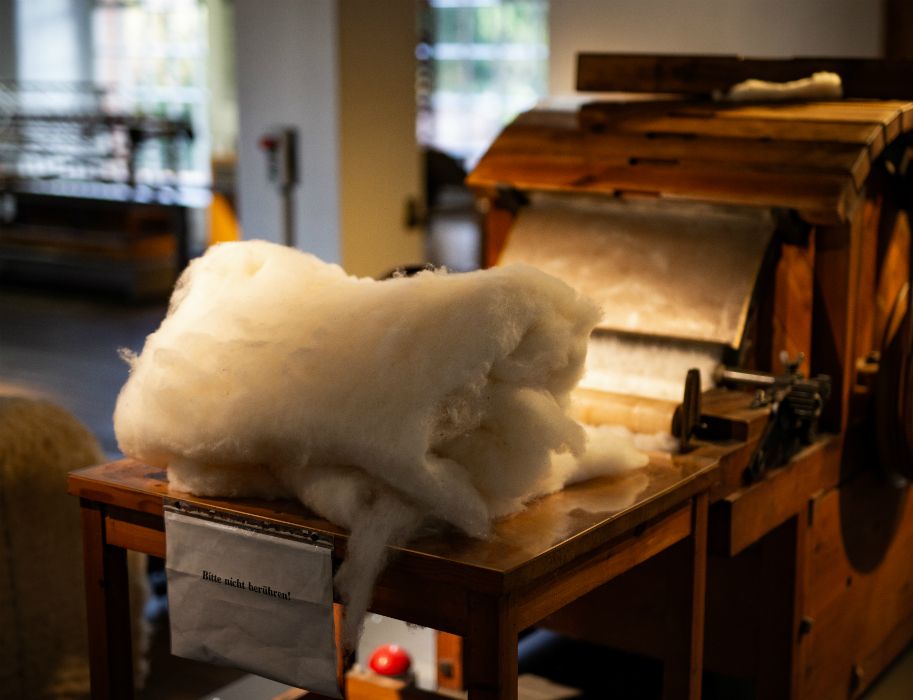
    The only museum in the world that shows the processing of raw cotton into finished yarn using faithfully reproduced machines from the 18th century.
    Learn more
New tips every two months

Insider tips & excursion ideas

Newsletter

Fancy some mail? Then subscribe here to our every two months newsletter with information on special travel offers, selected short tips for short trips and other insider tips for travelling in North Rhine-Westphalia.

Click here to register