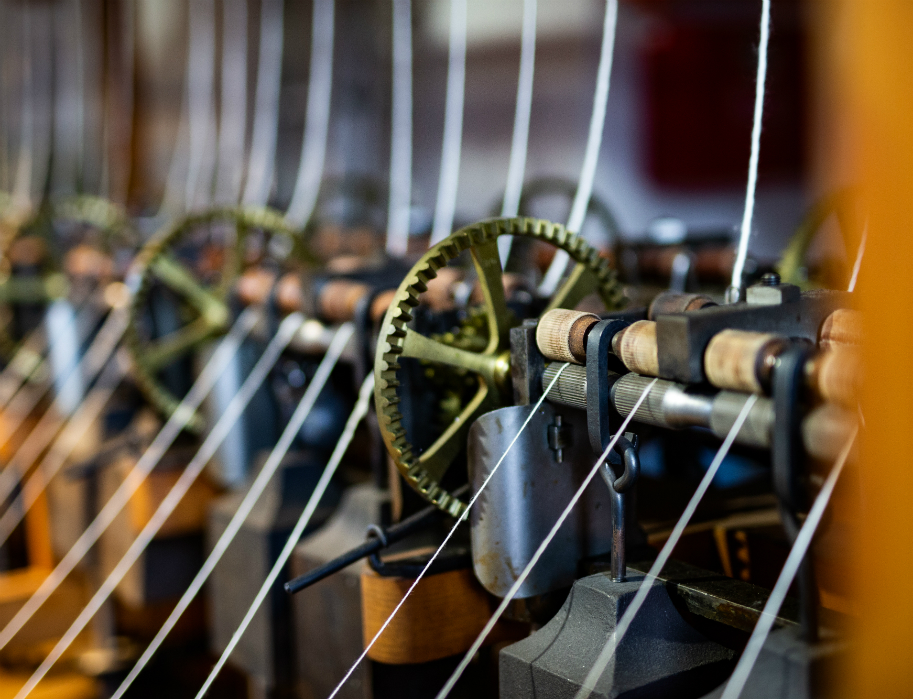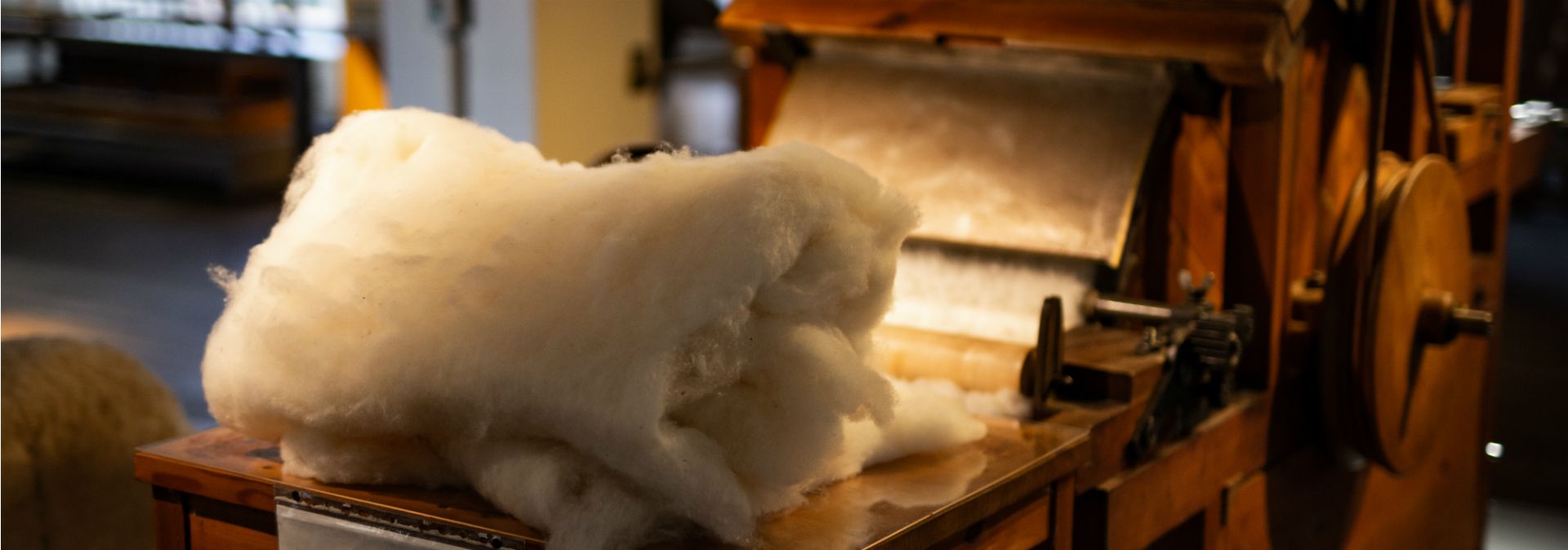
The LVR Industrial Museum even shows how wool is processed using running machines
Tourismus NRW e.V., The LVR Industrial Museum even demonstrates how wool is processed using machines that are actually in operation

LVR Industrial Museum: Cromford Textile Mill

Ratingen

The first factory on the European continent—it’s located in Ratingen.

Where spinning and weaving took place on a large scale until the 1970s, the exhibition today shows how the textile industry got its start. At the heart of the factory are the fully functional spinning machines, which demonstrate how cotton was spun 200 years ago.

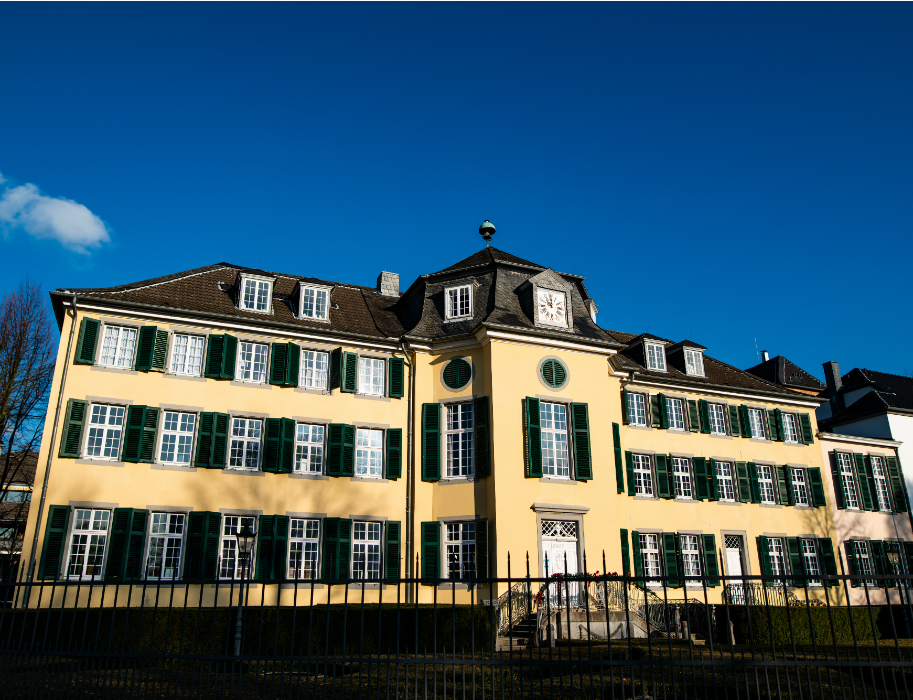
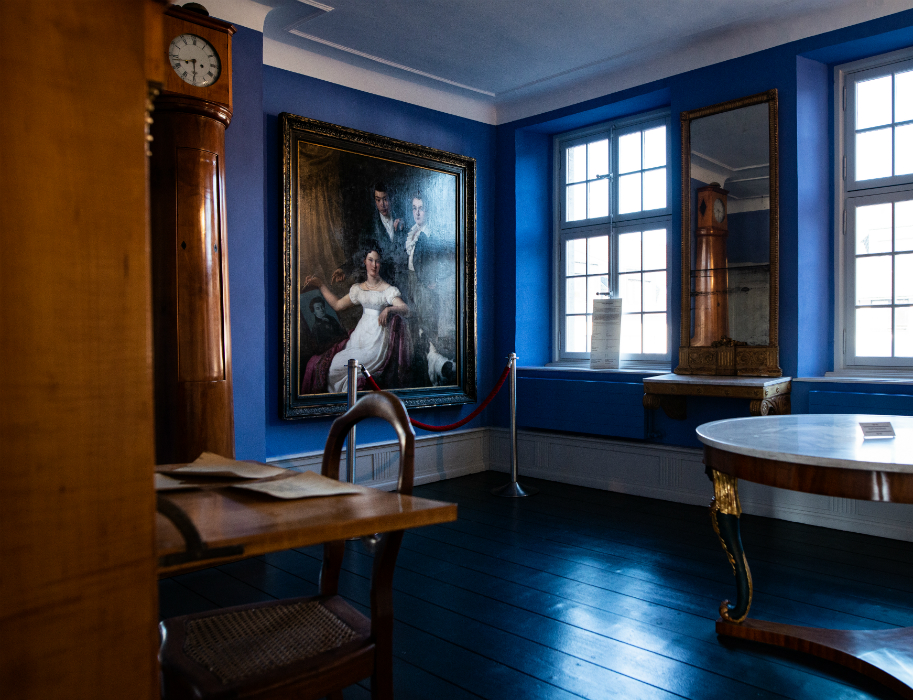
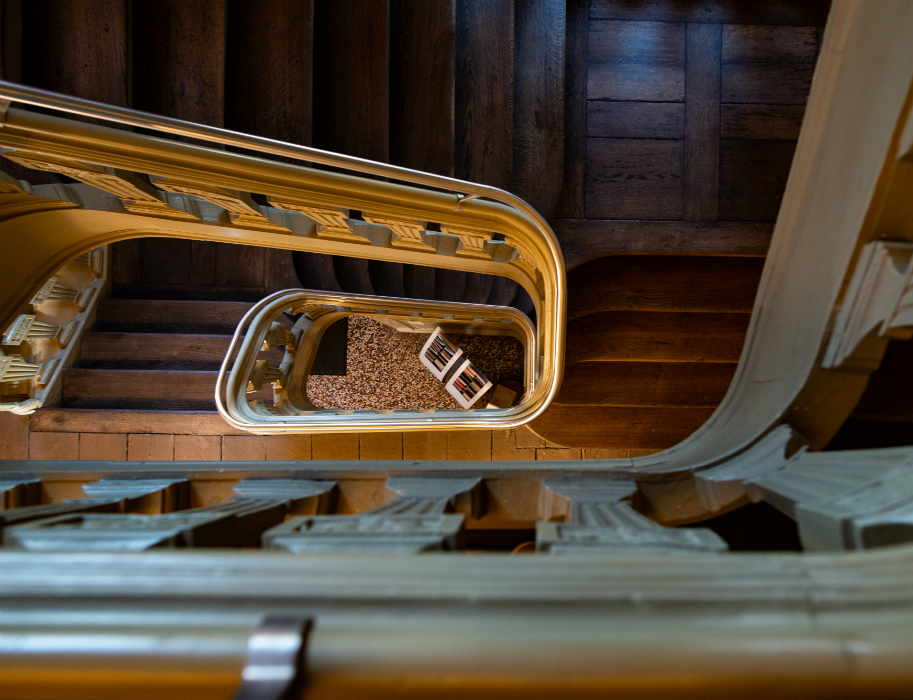
The magnificent manor house was once the economic hub and private residence of the entrepreneurial family. The exhibition there tells the story of the Brügelmanns’ lives and work—covering both their business activities and their very private lives.

In the manor house, the museum café invites visitors to linger and enjoy coffee and cake specialties in a historic atmosphere. The museum shop in the factory offers a wide range of products related to the themes of the LVR Industrial Museum Textile Factory Cromford.

Important information about accessibility: certificates

  • All areas relevant to the assessment meet the quality criteria for the“Accessibility Tested—Partially Accessible for People with MobilityImpairments” designation.

    We have compiled some information on accessibility below. Detailed information can be found in the inspection report.

    • There are three designated parking spaces for people with disabilities (space dimensions: 350 cm x 580 cm).
    • The path from the parking lot to the rear entrance of the textile factory, the entrance to the manor house, and the restroom for people with disabilities in the archway is approximately 100 m long. It has a maximum longitudinal slope of 6.5% over a distance of 2 m. The narrowest passage (between bollards) is 80 cm wide.
    • Guided tours are offered for people with mobility impairments and wheelchair users. Advance registration is requested.
    • Portable or fixed seating is available for people with mobility impairments and can be used during the guided tour.
    • With the exception of the 4th floor of the textile factory and the 3rd floor of the manor house, all areas are wheelchair accessible.
    • Assistive devices available: wheelchair, museum stool

    Textile Factory

    • The building is accessible without steps via the rear entrance. The door will be unlocked by staff upon prior notification.
    • All rooms and facilities open to visitors are accessible without steps or via an elevator. Exception: The 4th floor (special exhibition) can be reached by elevator, but the exhibition room is accessible only via three steps.
    • The elevator car measures 105 cm x 136 cm.
    • All doors and passageways used by guests are at least 90 cm wide.
    • The ticket counter is 108 cm high.
    • The exhibits and information about them are mostly visible and readable while seated.

    Manor House

    • The building is accessible without steps via a ramp.
    • The ramp has a maximum slope of 6% and a total length of 16 m (with intermediate landings).
    • All rooms and facilities accessible to guests are either step-free or accessible via an elevator.
    • The elevator car measures 97 cm by 146 cm. The elevator door is 88 cm wide.
    • All doors on upper levels accessible to guests are at least 84 cm wide.
    • The exhibits and the information about them are mostly visible and readable while seated.
    • The cafeteria in the manor house features wheelchair-accessible tables (maximum height 80 cm, with a clearance of 67 cm in height and 30 cm in depth).

    Public restroom for people with disabilities (ground floor of the manor house)

    • The maneuvering spaces are as follows:
      in front of and behind the door, at least 380 cm x 118 cm; in front of the toilet, 150 cm x 124 cm; in front of the sink, 122 cm x 150 cm;
      to the left of the toilet: 23 cm x 70 cm; and to the right of the toilet: 122 cm x 70 cm.
    • There are grab bars to the left and right of the toilet. The grab bar to the right of the toilet folds up.
    • The sink is wheelchair-accessible.
    • The mirror is visible whether standing or sitting.
    • An emergency alarm button is provided.

    Public restroom for people with disabilities (in the archway)

    • The clear spaces are as follows:
      in front of and behind the door, at least 200 cm x 118 cm; in front of the toilet, 200 cm x 128 cm; in front of the sink, 135 cm x 124 cm;
      to the left of the toilet: 119 cm x 44 cm; and to the right of the toilet: 90 cm x 44 cm.
    • There are grab bars to the left and right of the toilet. The grab bars to the right and left of the toilet can be folded up.
    • The sink has limited wheelchair access.
    • The mirror is visible while seated.
    • An alarm button is provided.
    Detailed information for people with walking difficulties and wheelchair users
  • We have compiled some information on accessibility below. Detailed information can be found in the test report.

    • There is no visually noticeable alarm.
    • There is no induction loop system.
    • An emergency call made from the elevators is confirmed only by an audible signal. Stairs are available as an alternative.
    • Information about the exhibits/objects is provided in writing and, in some cases, presented in photorealistic form.
    • Technical options for conveying information to people with hearing impairments or who are deaf: An informational video in German Sign Language is available on the website.
    • In the cafeteria in the manor house, there are tables with bright, glare-free lighting; there are no lamps standing or hanging above them that obstruct the field of vision or eye contact.
    • Guided tours are offered for people with hearing impairments and deaf people (in German Sign Language). Advance registration is requested.
    Detailed information for people with hearing impairments and hearing loss
  • We have compiled some information on accessibility below. Detailed information can be found in the audit report.

    • Service dogs are permitted in all relevant areas and rooms.
    • Outdoor paths generally lack visually contrasting or tactile sidewalk boundaries.
    • The entrances are designed with high visual contrast.
    • All elevated areas accessible to guests are well lit—that is, brightly and without glare.
    • There is no continuous wayfinding system with floor indicators.
    • Signage is designed with clearly legible, high-contrast lettering.
    • An emergency call made from the elevators is confirmed by an audible signal. The stop position is not announced by voice. The control elements are designed with high visual contrast and are tactile.
    • Stairs are available as an alternative.
    • Stair treads are not designed with high visual contrast.
    • Staircases have at least a one-sided handrail.
    • The exhibits/objects are generally well-lit.
    • Information about the exhibits/objects is provided in writing and is predominantly designed with high visual contrast.
    • An audio guide is available in the manor house.
    • The text on the menu in the manor house cafeteria is in a simple, high-contrast font. A large-print menu is available.
    • Guided tours are offered for people with visual impairments and blind people. Advance registration is requested.
    • Exhibits that can be touched are incorporated into the guided tours.
    • Information is not available in Braille or prism script.
    Detailed information for people with visual impairments and the blind
  • We have compiled some information on accessibility below. Detailed information can be found in the inspection report.

    • The name and/or logo of the Textile Museum and the manor house are clearly visible from the outside.
    • There are no directional signs placed at a distance that ensures they are always visible.
    • Information about the exhibits/objects is provided in writing but not in simple language.
    • The food in the cafeteria at the manor house is displayed in plain view (buffet, counter).
    • Guided tours are offered for people with cognitive disabilities. Advance registration is requested.
    • The guided tour for people with cognitive impairments is conducted in simple language.
    • General information about the museum is available on the website in simple language.
    Detailed information for people with walking difficulties and wheelchair users

Important information at a glance

  • Bitte beachten Sie, dass die Öffnungszeiten aufgrund besonderer Umstände wie z.B. an Feiertagen, abweichen können.

    Alle Standorte des LVR-Industriemuseums sind von Weiberfastnacht bis einschließlich Rosenmontag geschlossen.

    Open today
    Tuesday 10:00 - 17:00
    Wednesday 10:00 - 17:00
    Thursday 10:00 - 17:00
    Friday 10:00 - 17:00
    Saturday 11:00 - 18:00
    Sunday 11:00 - 18:00

Good to know

More information

  • Contact

    LVR-Industriemuseum - Textilfabrik Cromford und Poensgenpark

    Cromforder Allee 24-26 40878 Ratingen

    +49 2234 992155-5

    Email

    Website

And what else?

This could also be interesting

  • To Page Aquazoo Löbbecke Museum

    Aquazoo Löbbecke Museum

    Düsseldorf
    Open today
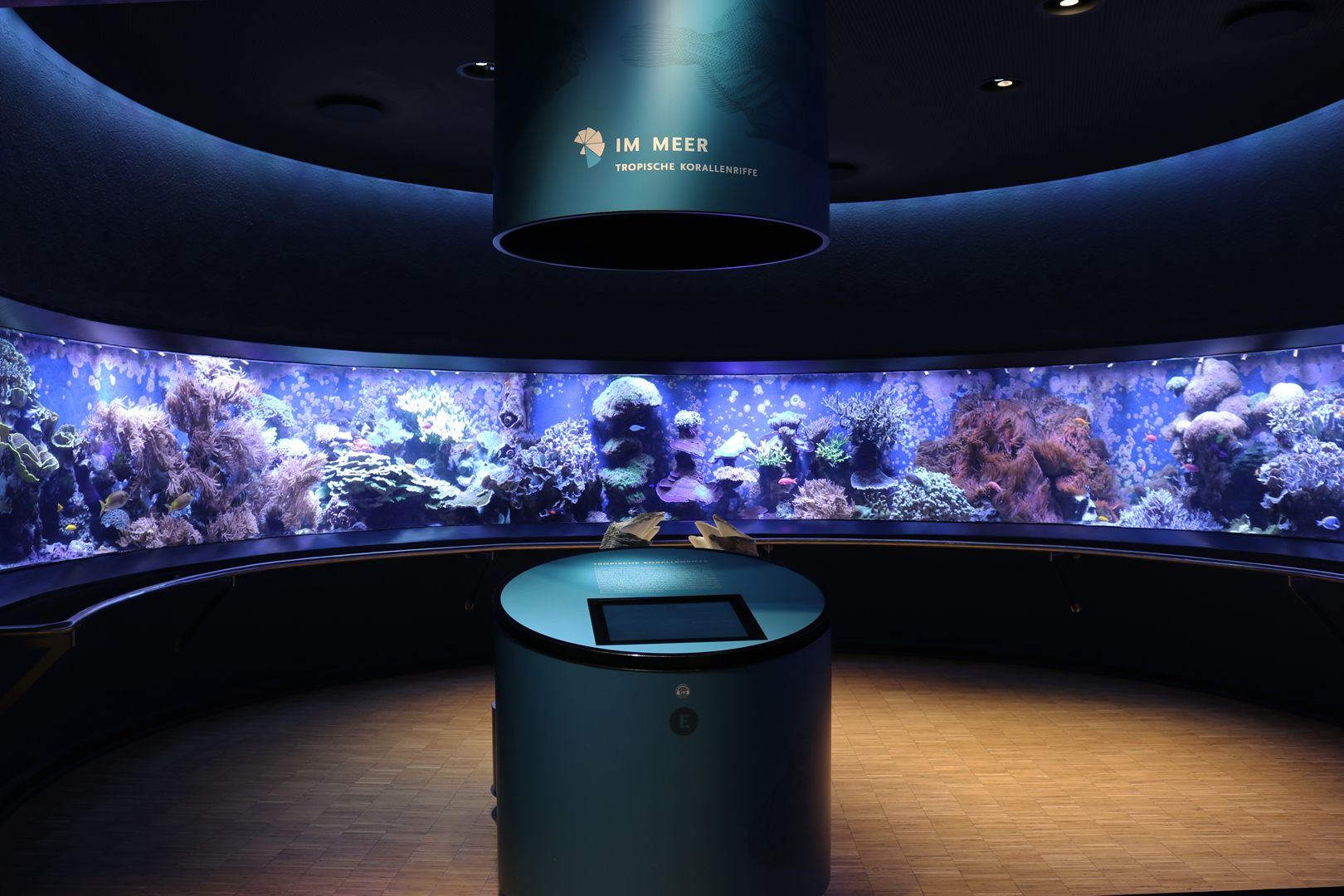
    Although there are more than 5,000 animals—some of them rare—to discover at the Aquazoo Löbbecke, Nevertheless, the facility in Düsseldorf is not a traditional zoo—it’s much more than that. In this unique combination of a natural history museum, aquarium, and zoo, you’ll discover the full diversity of life on our planet across more than 2,000 square meters.
    Learn more
  • To Page Art Palace

    Art Palace

    Düsseldorf
    Open today
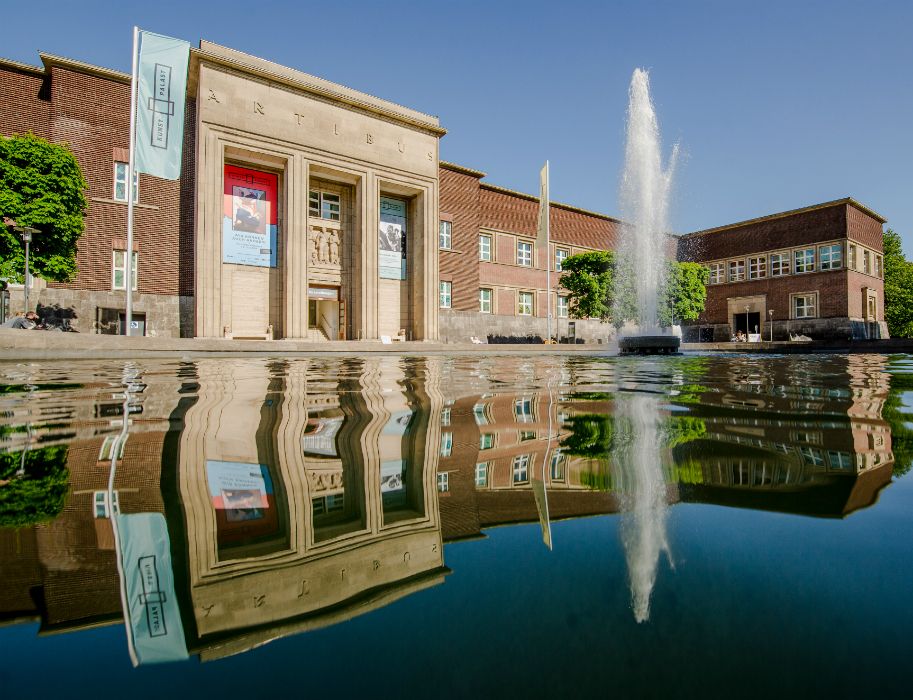
    Discover the diversity of the Kunstpalast, which features 800 works on display spanning eleven centuries, from medieval art to contemporary art.
    Learn more
  • To Page NRW Forum

    NRW Forum

    Düsseldorf
    Open today
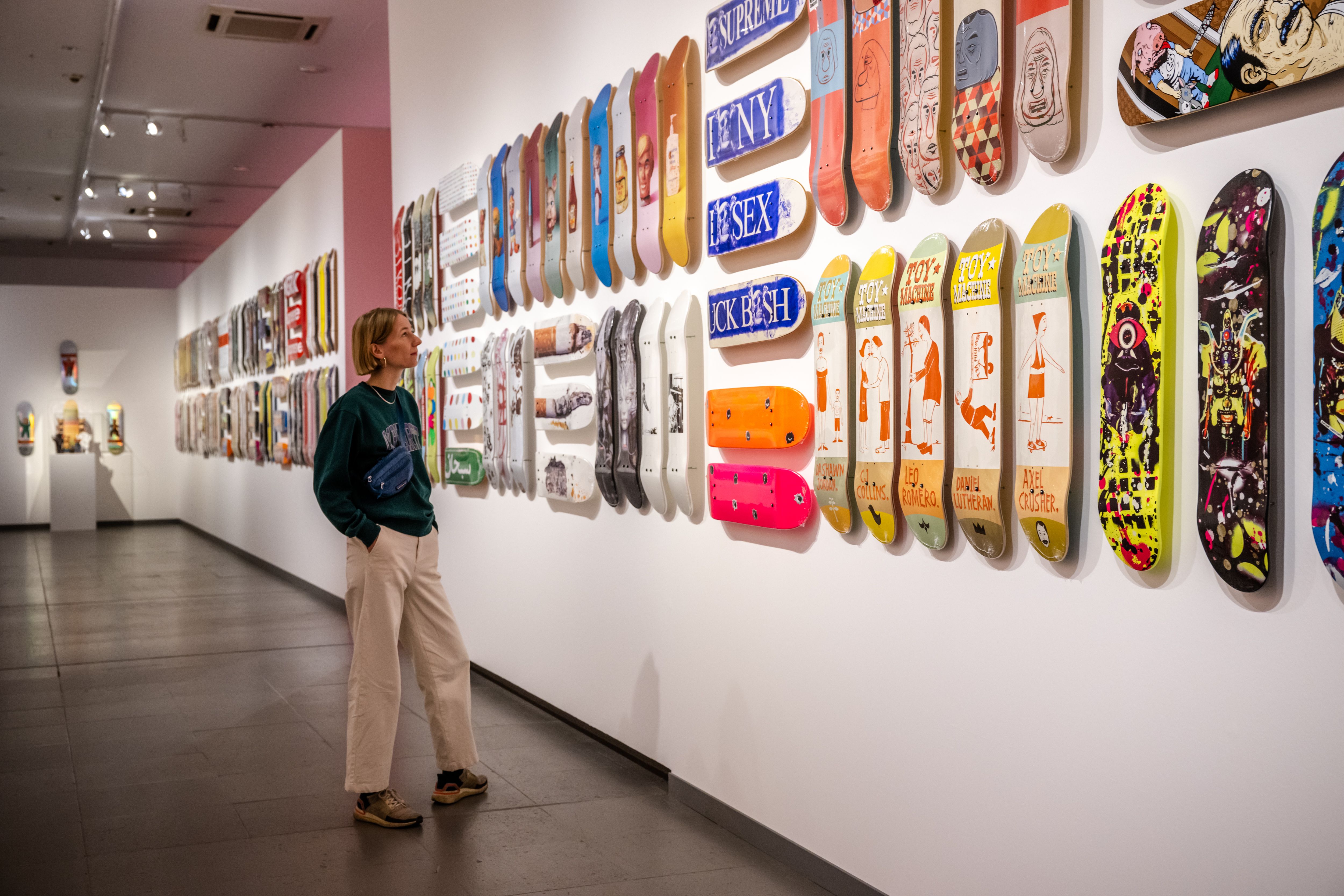
    In 2020, the NRW-Forum Düsseldorf merged with the Museum Kunstpalast Foundation under the direction of Felix Krämer. Alain Bieber has served as the artistic director of the NRW-Forum since April 1, 2015. Since then, the NRW-Forum has hosted 80 exhibitions and over 200 events, symposia, and festivals.
    Learn more
New tips every two months

Insider tips & excursion ideas

Newsletter

Fancy some mail? Then subscribe here to our every two months newsletter with information on special travel offers, selected short tips for short trips and other insider tips for travelling in North Rhine-Westphalia.

Click here to register