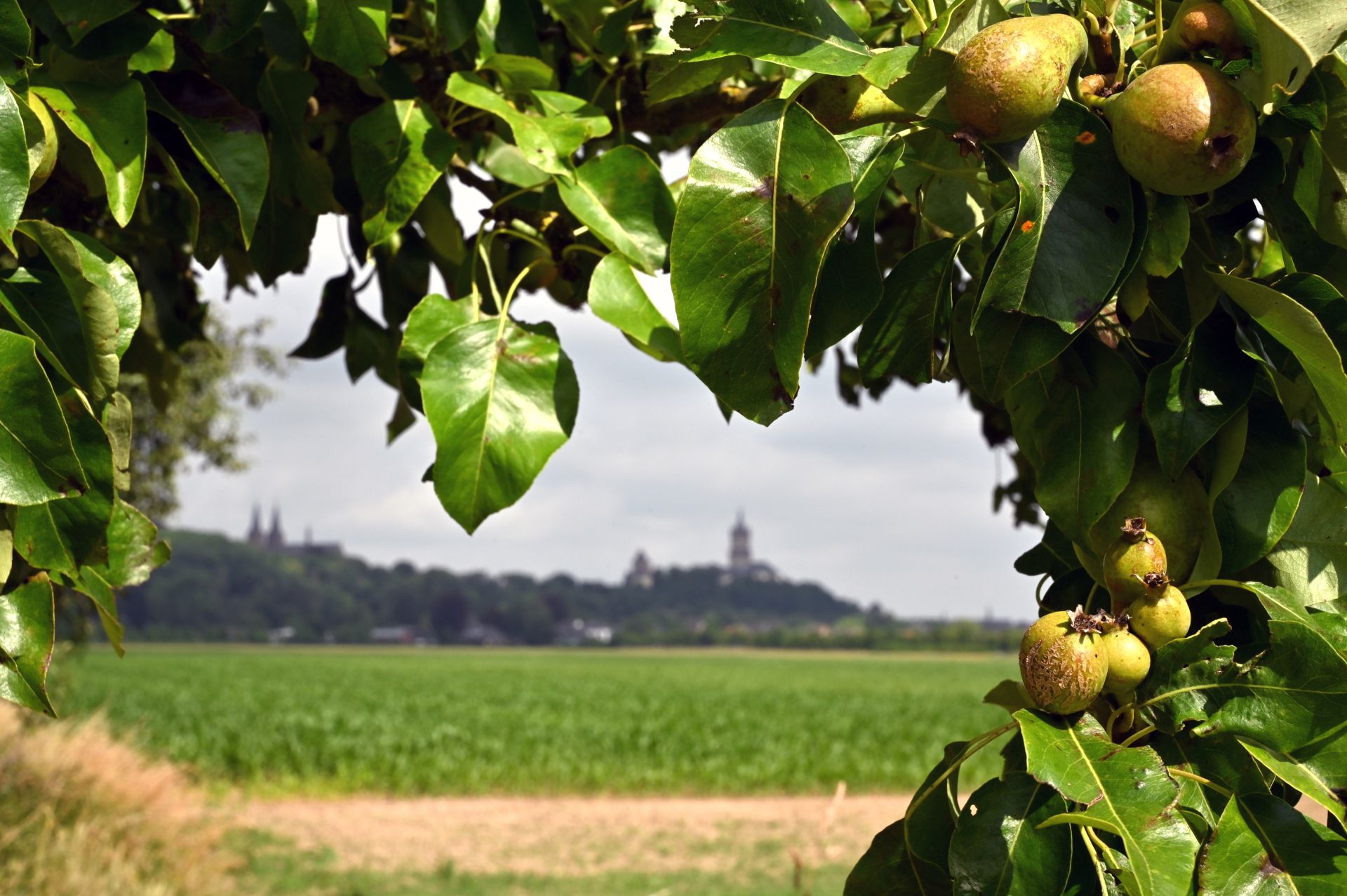
In the 18th and 19th centuries, Kleve on the Lower Rhine was already considered a stylish spa town. Today, the pretty little town presents itself as a modern leisure and business center - and is once again facing a major transformation: from April 19 to October 7, 2029, it will host the 20th State Garden Show of North Rhine-Westphalia.
Preparations for the major event are underway. Kleve wants to show how modern urban planning and landscape identity can work together harmoniously: ecologically valuable, creatively attractive and unmistakably Lower Rhine. Under the leitmotif "City | Land | Water", the town will be transformed on three design levels over the coming years.
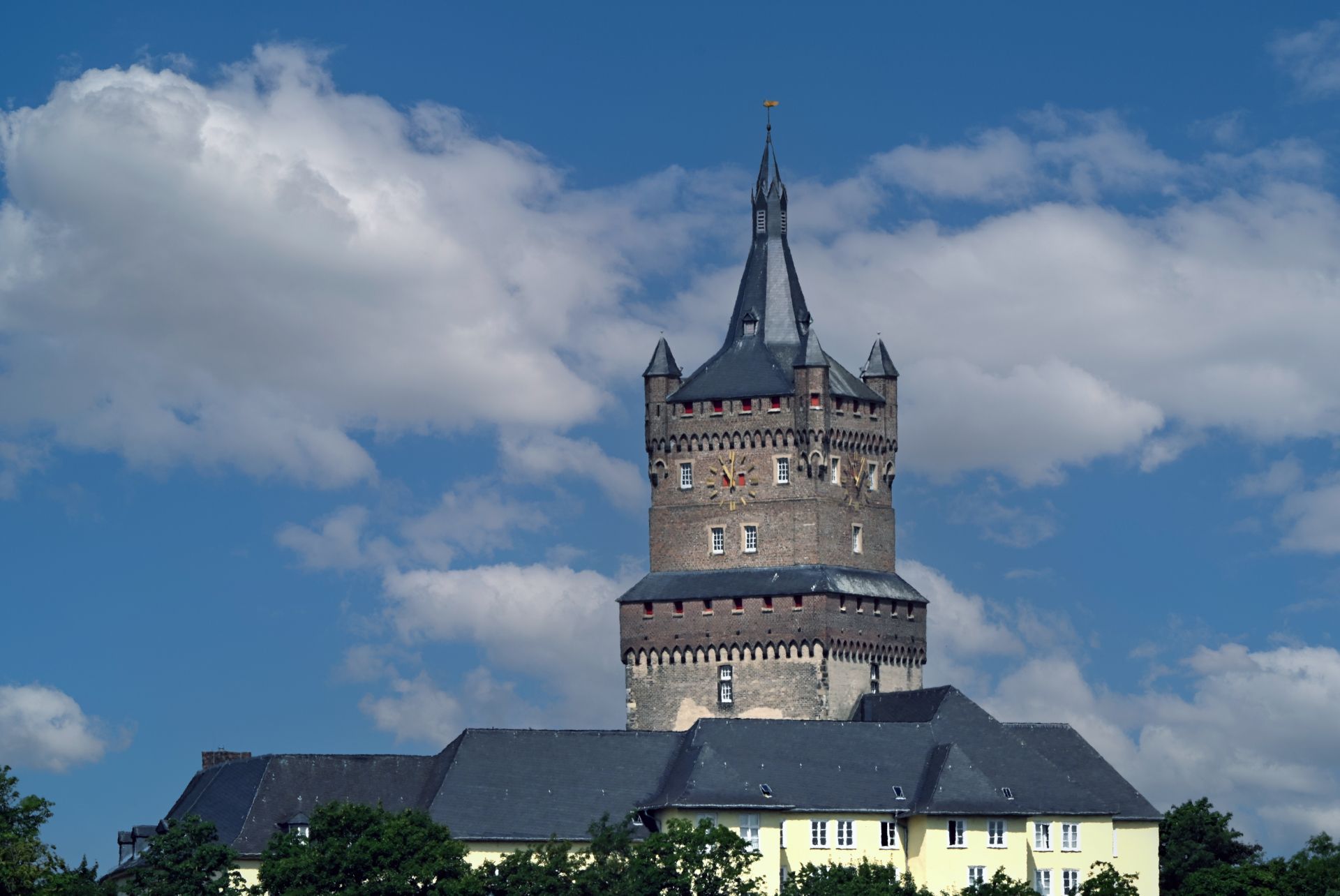
In the historic city center, around the famous Schwanenburg castle on the Burgberg, new green spaces will be created to enliven the streets and squares and ensure a better quality of stay. Around ten to eleven million euros are being invested in the redesign of the pedestrian zone and prominent squares. At the same time, a connecting link is being created between Rhine-Waal University of Applied Sciences and the urban landscape.
The aim of these measures is to strengthen the city center as a lively space and create more room for culture, city festivals and encounters. The "Land" and "Water" themes, in turn, will unfold around the Kermisdahl, the heart of the future State Garden Show.
A place of sensory impressions
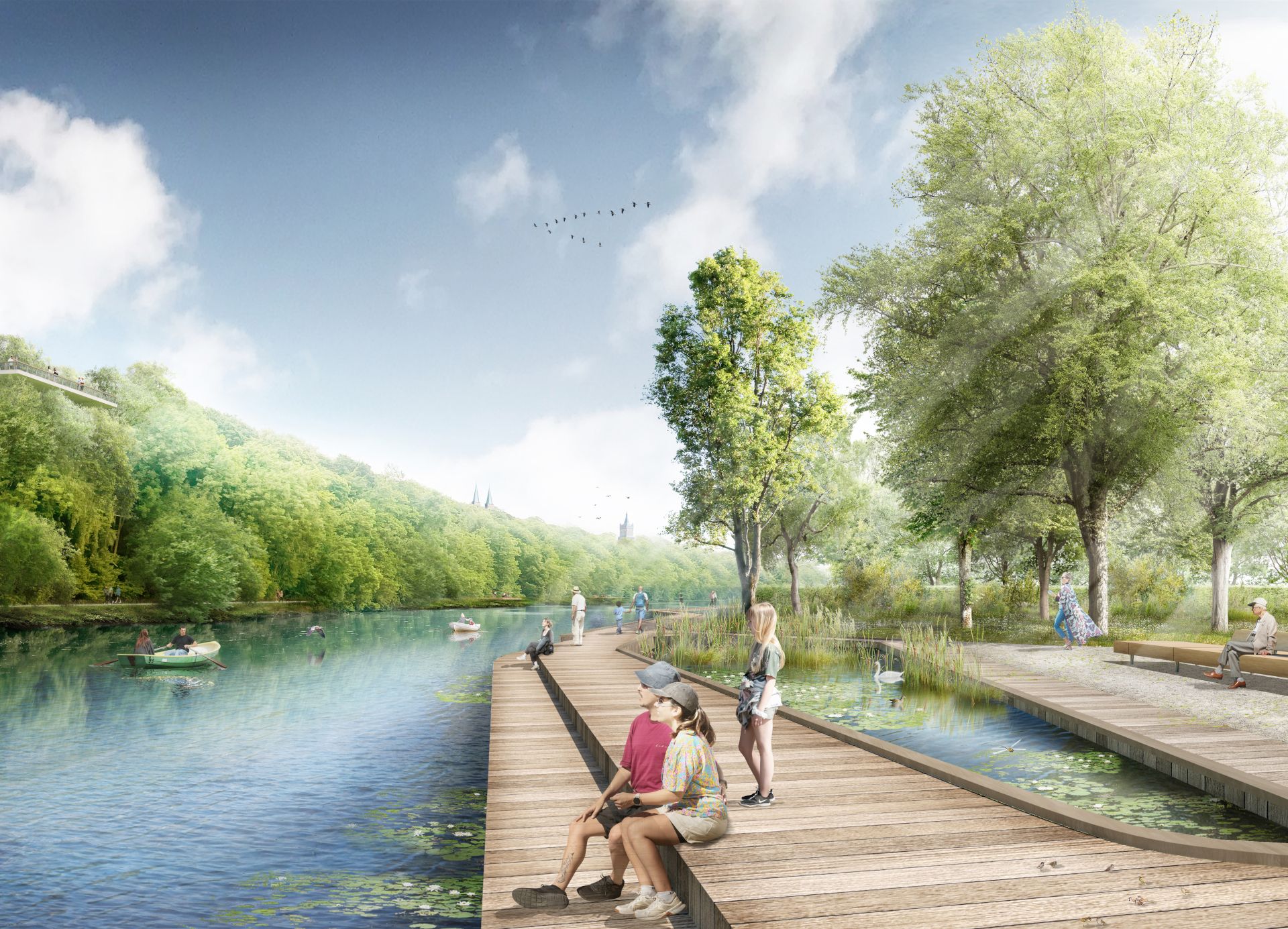
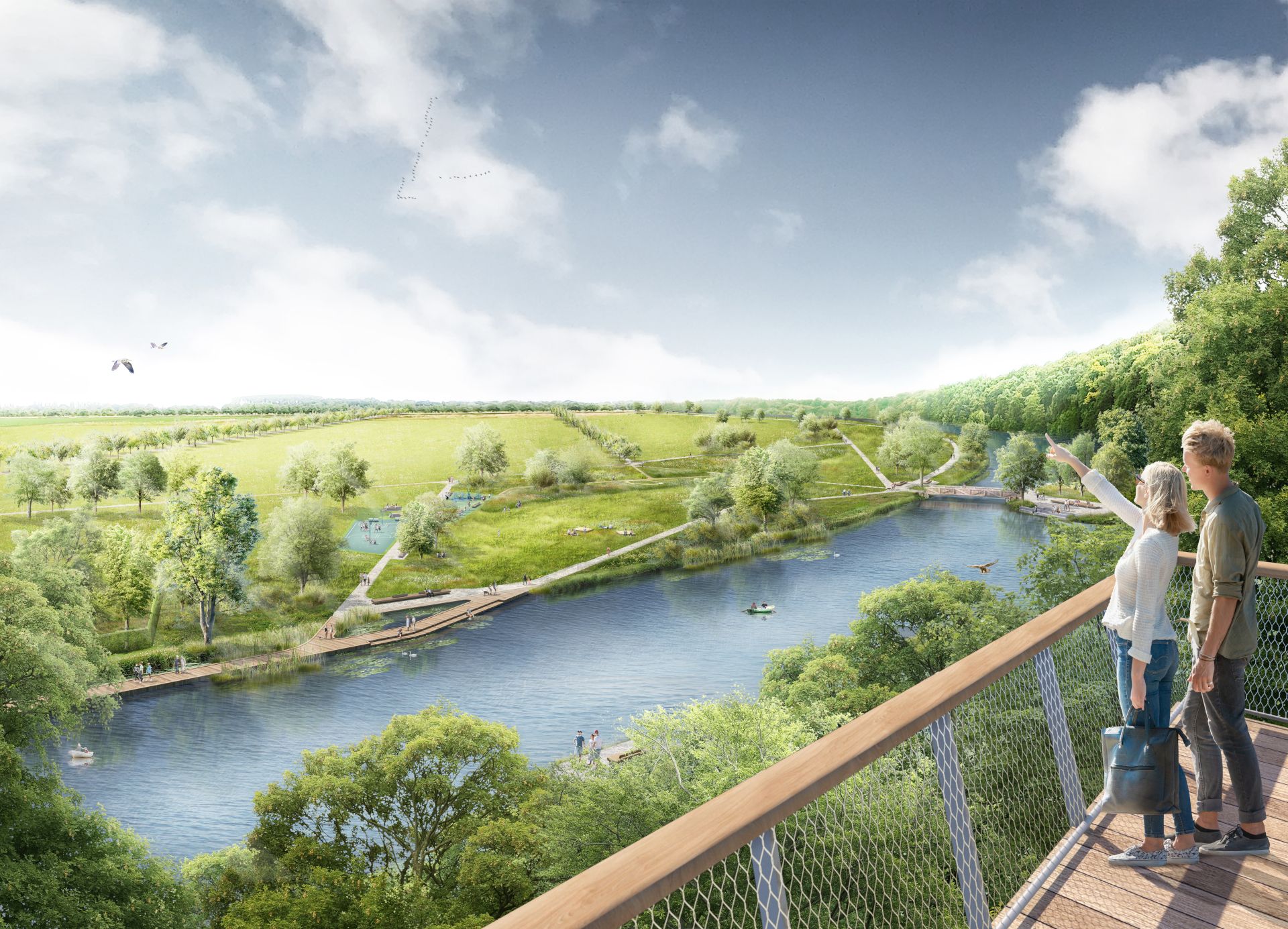
Here, new access points, ramps and footbridges make it possible to experience the water landscape as a place of movement and recreation. Along the area, which stretches from the Worcester Bridge in the north over the Luisen Bridge to the planned Kermisdahl Bridge in the south, variously designed green spaces invite you to explore. Sometimes a wonderful view of the riverside promenade awaits, sometimes the panorama of the slope edge.
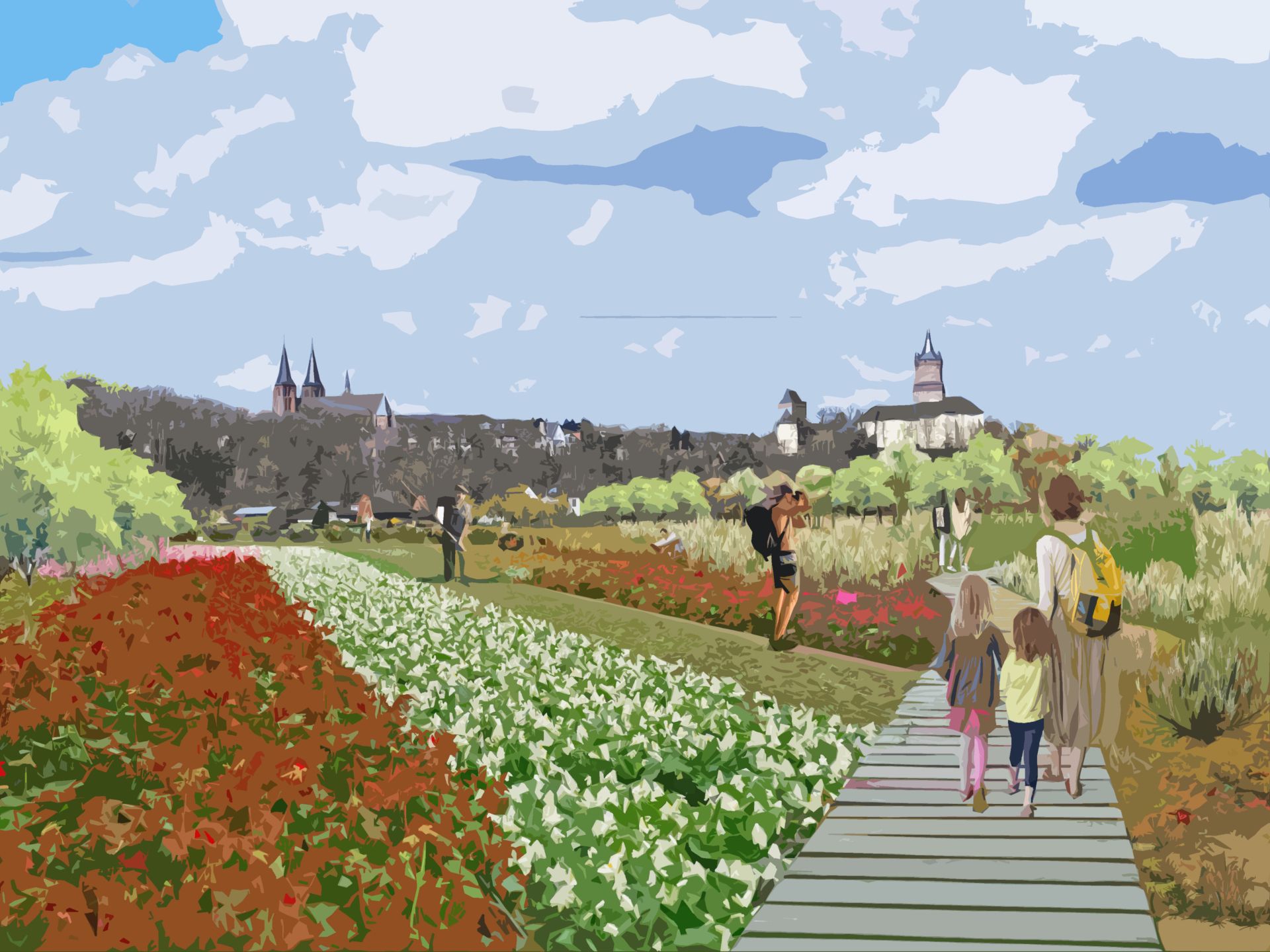
The green attractions include ten home gardens, where hobby gardeners can find inspiration for their own homes, five gardens of the twin cities, which are individually designed according to the characteristics of each country, and nine themed gardens, which reflect the diversity of rural and artisan life in the Rhineland. The 1,000 square meter flower hall in the north-eastern part of the park will be particularly impressive as a place full of colors, scents and sensory impressions.
Speaking of sensory impressions: visual axes at the intersections provide orientation and expansive views throughout the entire Landesgartenschau site. From the newly created footbridges, the so-called water and forest walkways, impressive views of the exhibition's main attractions open up.