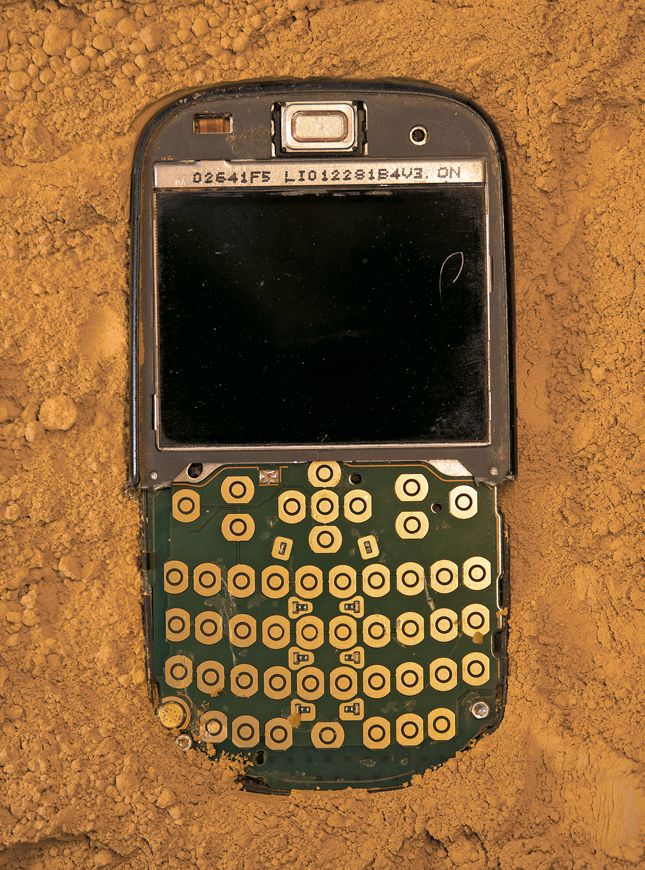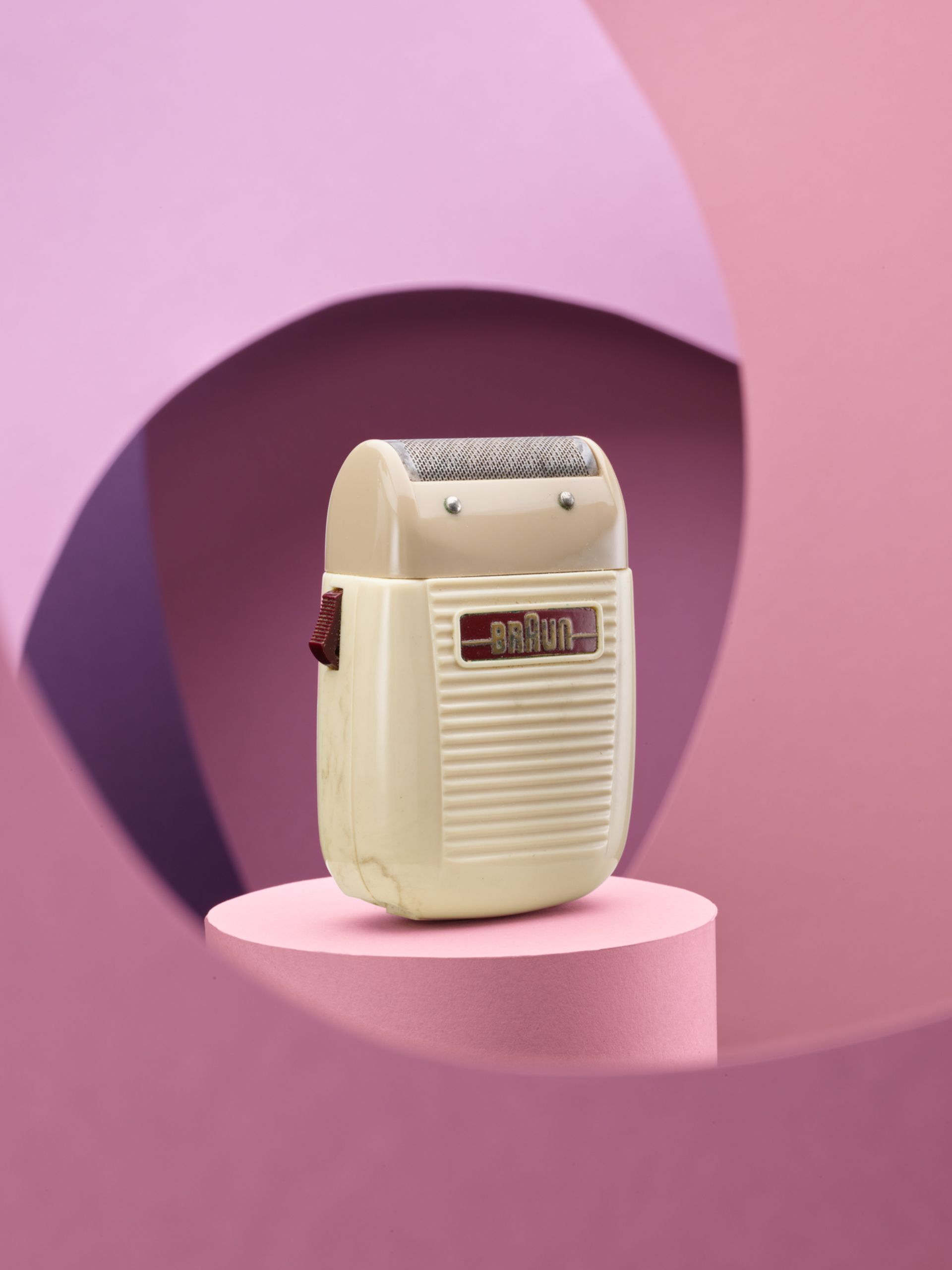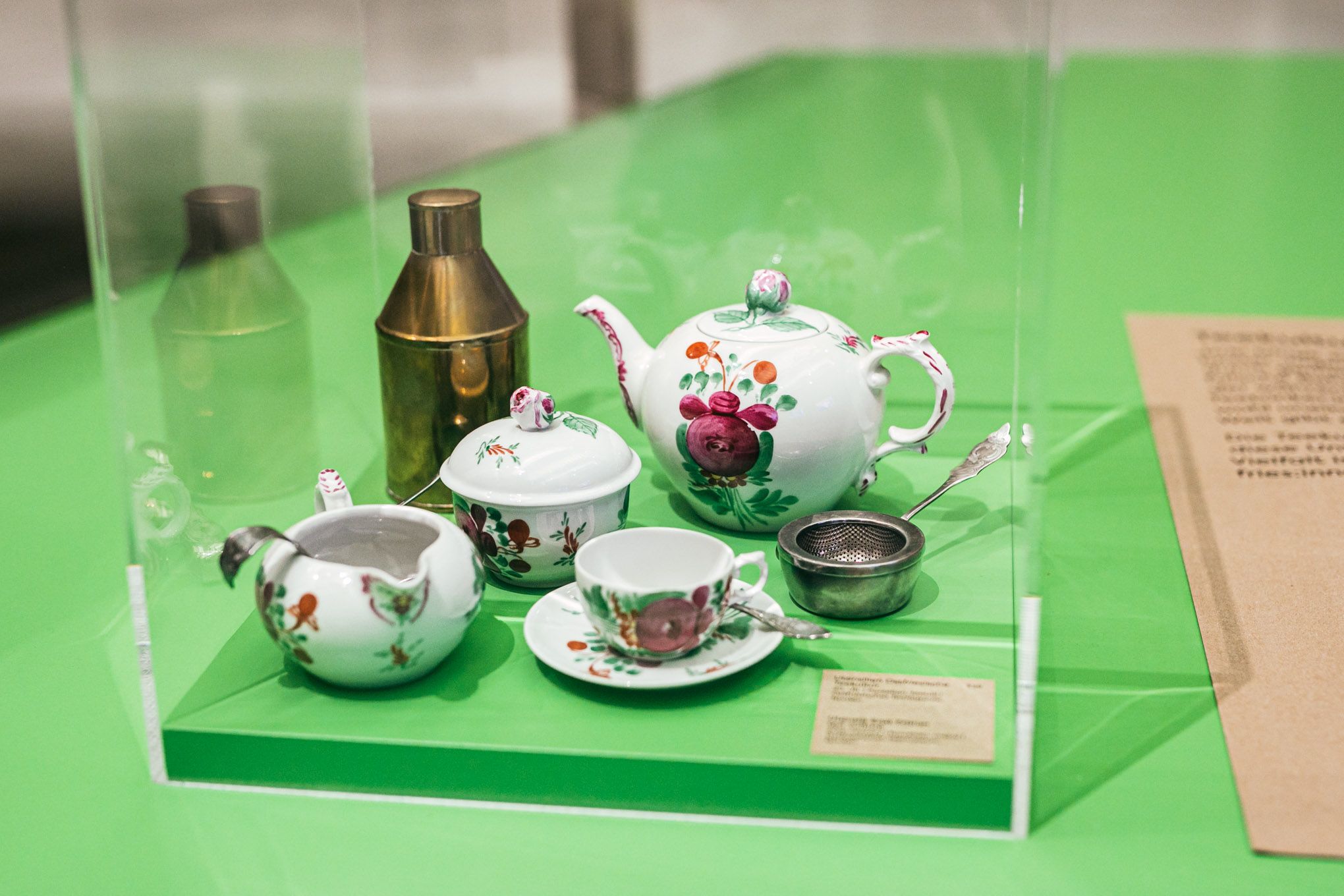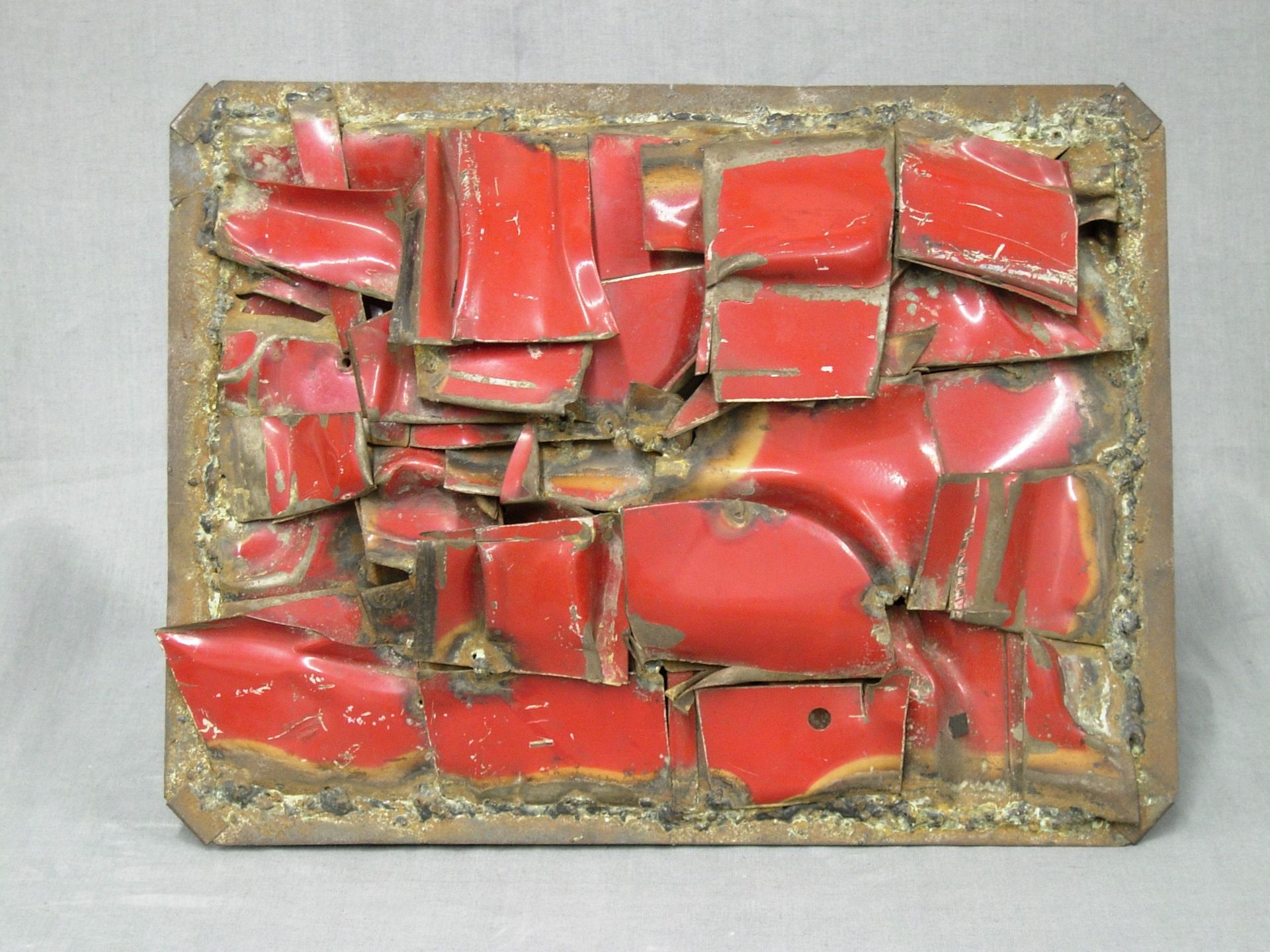
From March 27 to July 26, 2026, the Museum Ostwall on level 6 of the Dortmunder U is presenting a multifaceted special exhibition on global waste flows, consumer societies and environmental issues. Installations, sculptures, photographs, videos, graphics and media artworks in the "Müll" show will shed light on how waste makes economic dependencies and ecological consequences visible not only as a local but also as a global phenomenon.
With around 50 international works, the show links art-historical perspectives since the 1960s. Artists take a critical look at things that are supposedly "no longer usable" and at current social debates on sustainability, the circular economy and global supply chains. The exhibition includes works by Ana Alenso, César Baldacchini, Karimah Ashadu, Hicham Berrada, Nancy Holt, Allan Kaprow, Krištof Kintera, HA Schult, Tejal Shah and Klaus Staeck.
The exhibition follows in the tradition of the Museum Ostwall, which is a presentation venue for modern and contemporary art of the 20th and 21st centuries. The museum is part of the Dortmunder U cultural center and also houses an important collection on the Fluxus movement and classical modernism.
Services
- Admission to the exhibition "Müll. An exhibition on the global paths of waste" at the Museum Ostwall in the Dortmunder U
Further program highlights
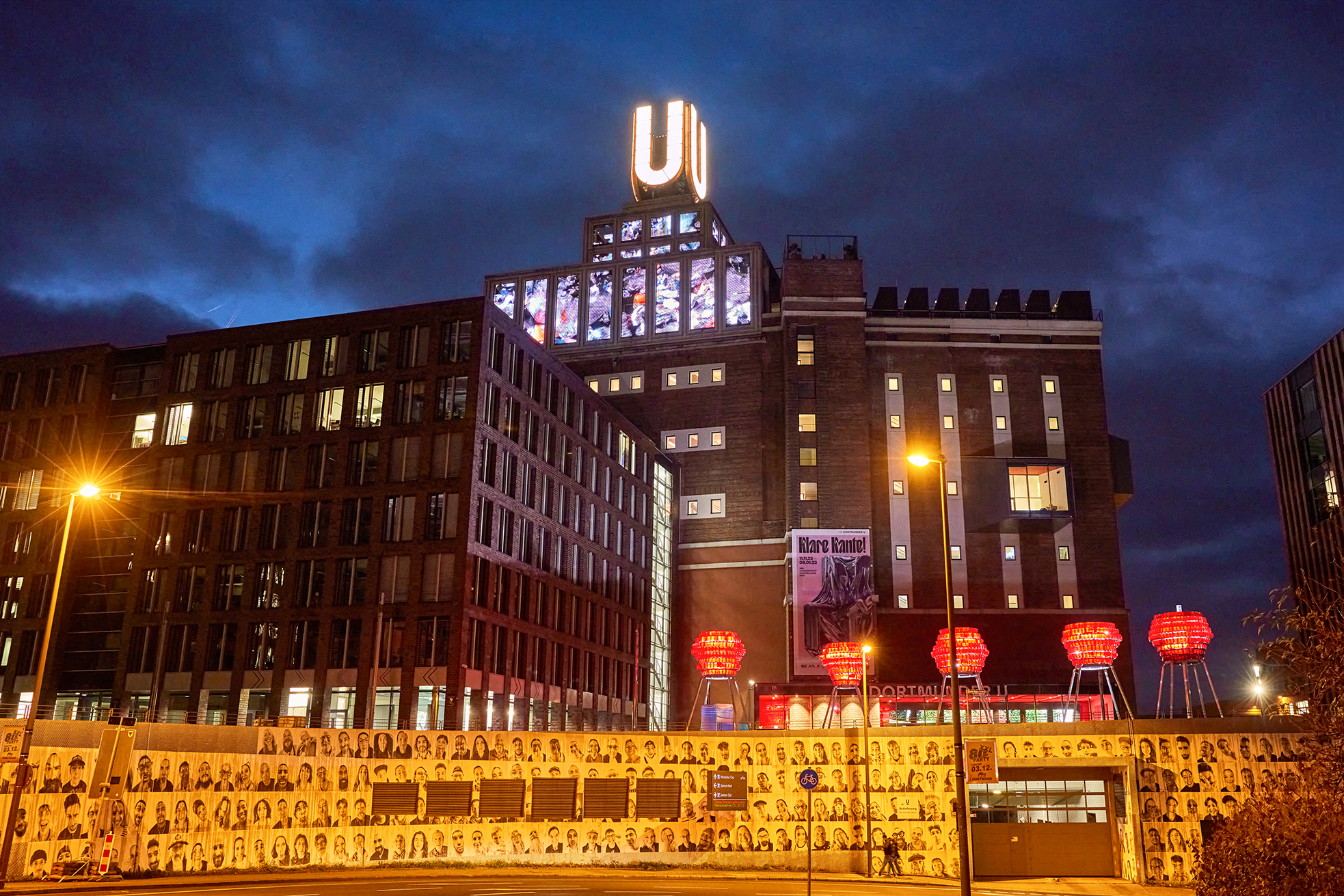
The Dortmunder U is a house for contemporary art and culture. It has brought together a wide variety of institutions since 2010: Museum Ostwall, the Hartware MedienKunstVerein (HMKV), the UZWEI, the storyLab kiU of Dortmund University of Applied Sciences and Arts and the Campus Stadt of Dortmund University of Technology. In addition to a large special exhibition area, the Dortmunder U, which is located in the fermentation and storage cellar of the former Dortmund Union Brewery, also houses an art library, a cinema and a roof terrace offering a breathtaking view over Dortmund. There is also a wide range of restaurants and cafés.
The Dortmunder U brings together art, culture and creativity as well as science and research, art education and cultural education on seven floors.The U is home to changing exhibitions ranging from classical modernist painting to digital art and additional cross-institutional event formats such as "Kleiner Freitag", "Sommer am U" or the after-work films in the cinema. Various exhibitions ranging from expressionism and contemporary art to net art, concerts on the forecourt and film evenings in the cinema as well as readings, guided tours and craft workshops encourage visitors to discover, learn, participate and create. The U with its "flying pictures" on the roof has become a landmark, orientation and identification point for the city. It is a meeting place for people of all ages and backgrounds.