The Ruhr metropolis is particularly diverse: city boundaries are blurred, the density of museums and theatres is particularly high, industrial sites of the past are now excursion destinations with different focuses.
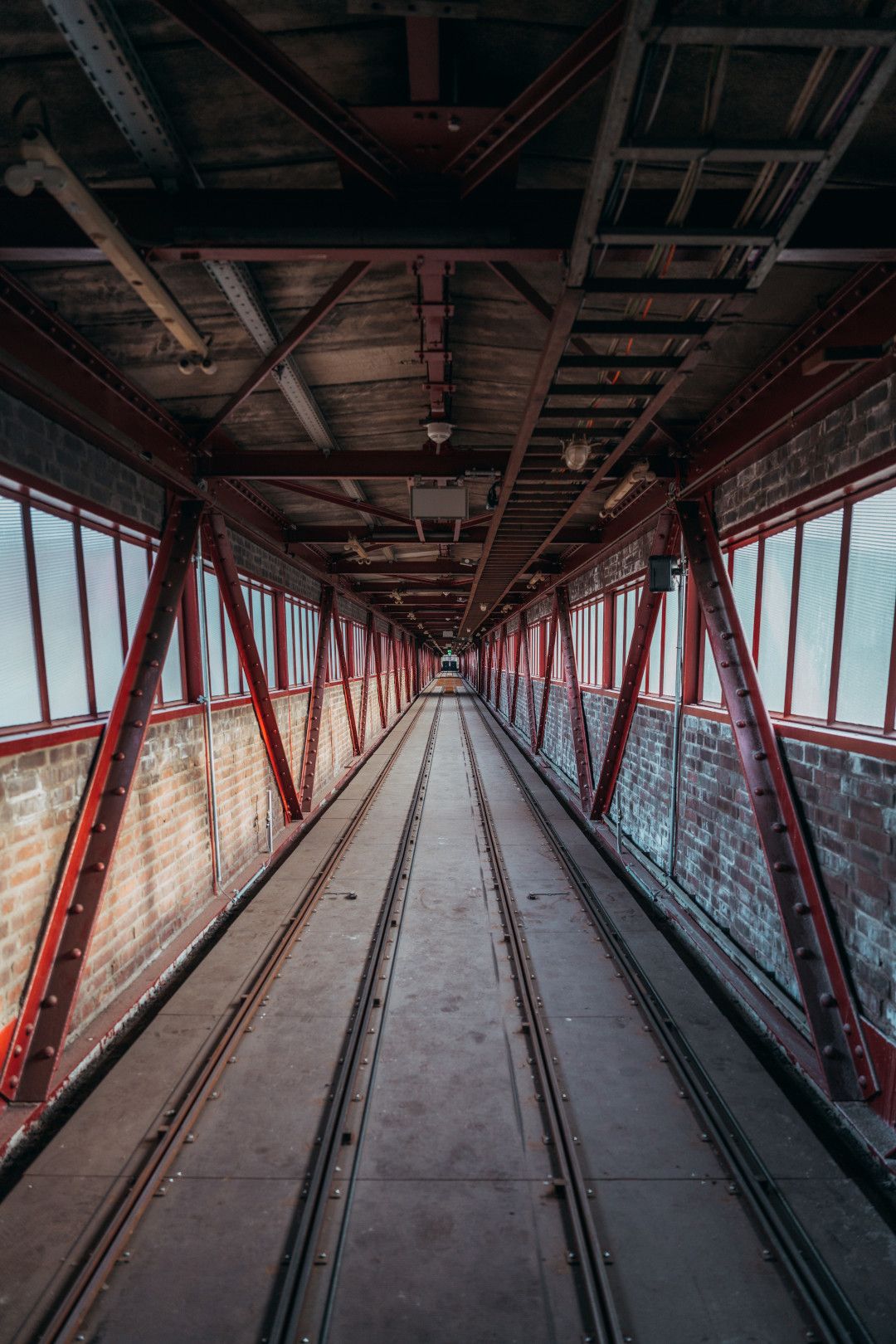
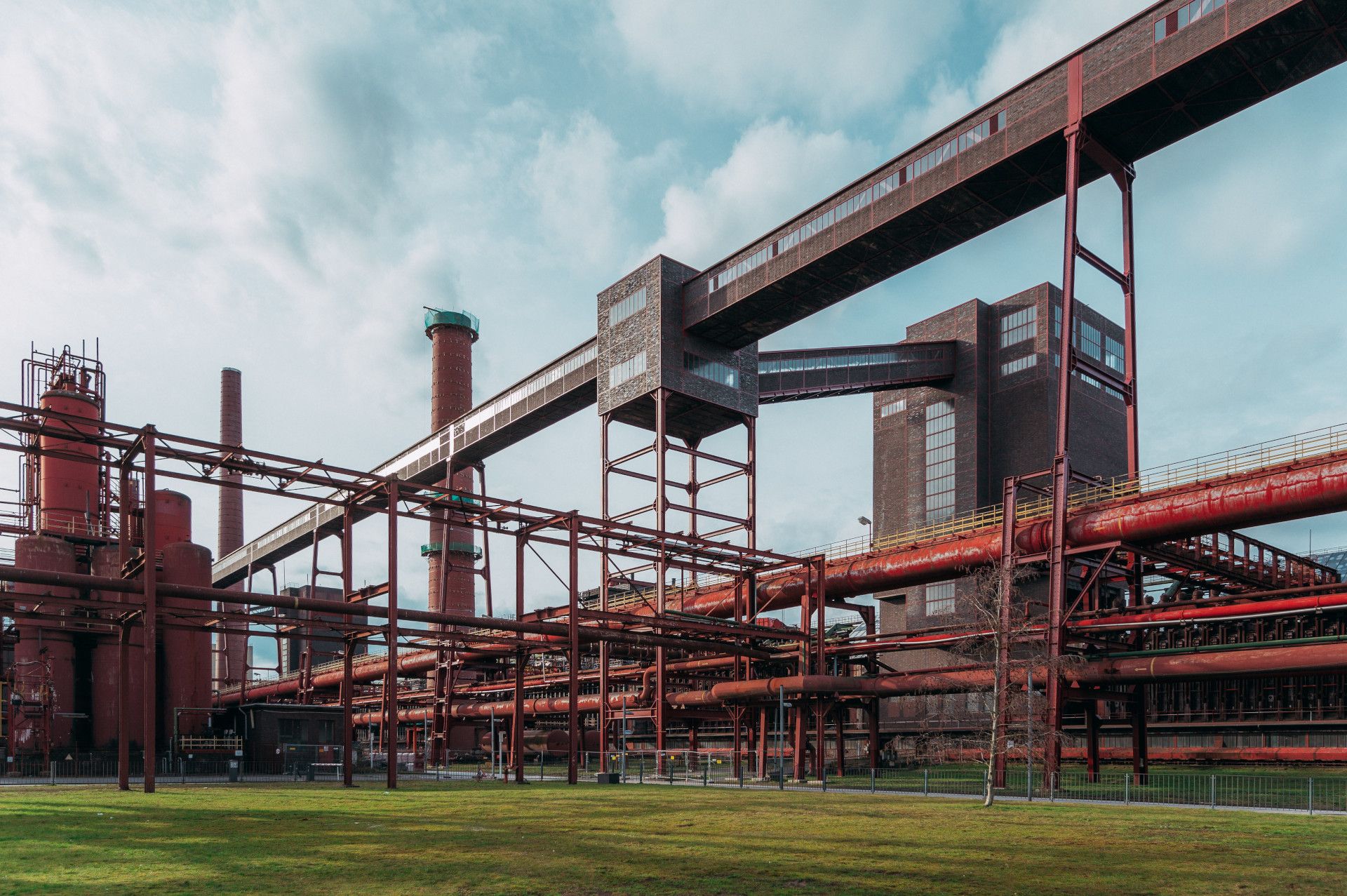
The region has undergone a transformation in recent decades: where steel used to be boiled and coal mined, there is now a cultural region. Industrial monuments such as former smelting works and disused gasometers house exhibitions and are venues for theatre performances and concerts. Around them, plants and animals are finding a new home and providing greenery in the big city.
Wherever you look: Industrial culture
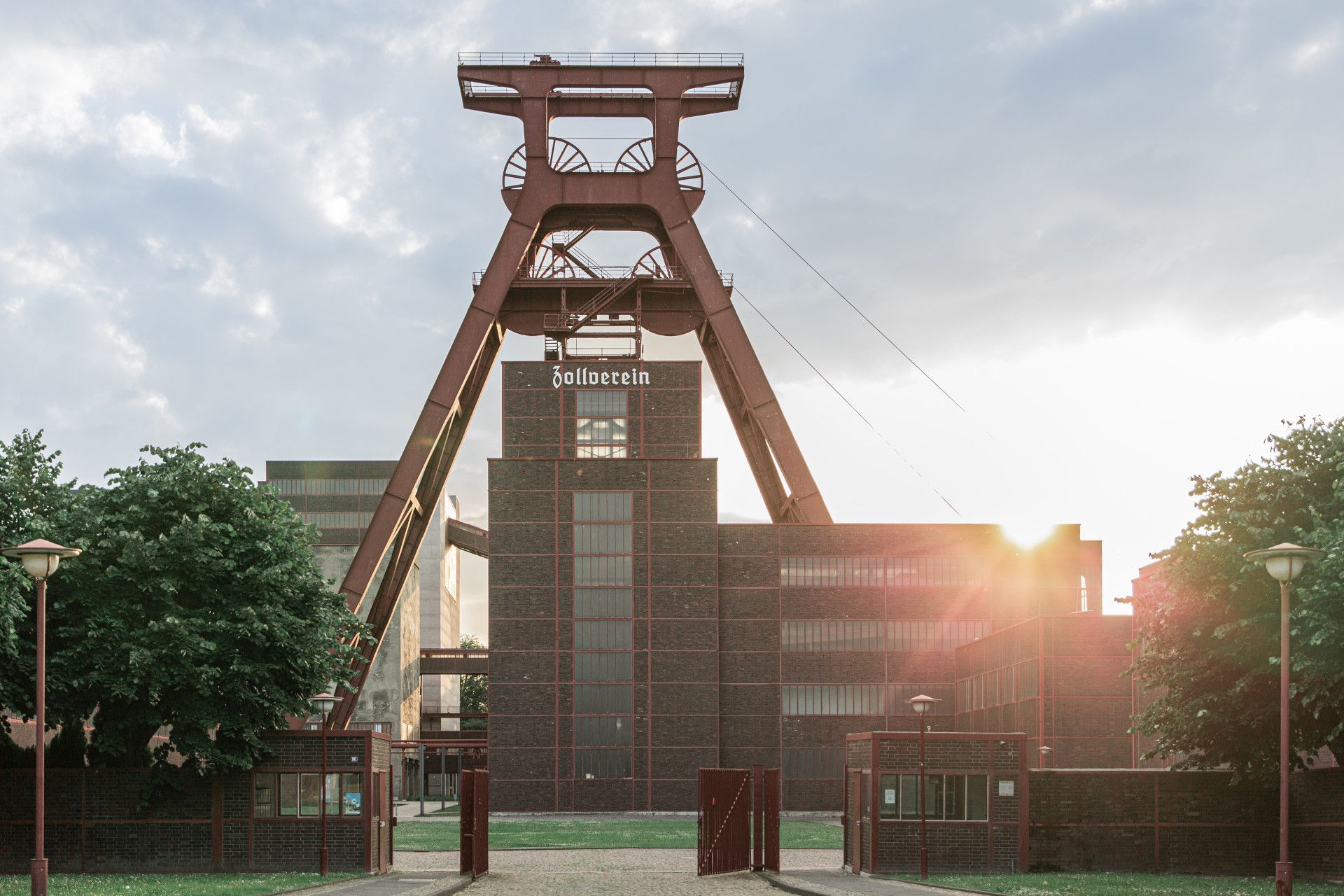
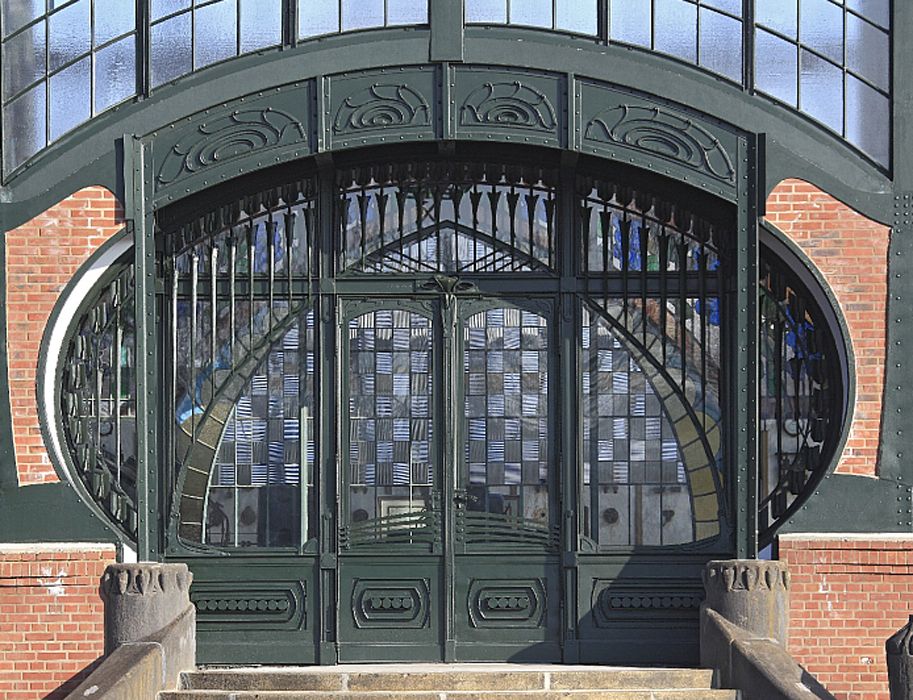
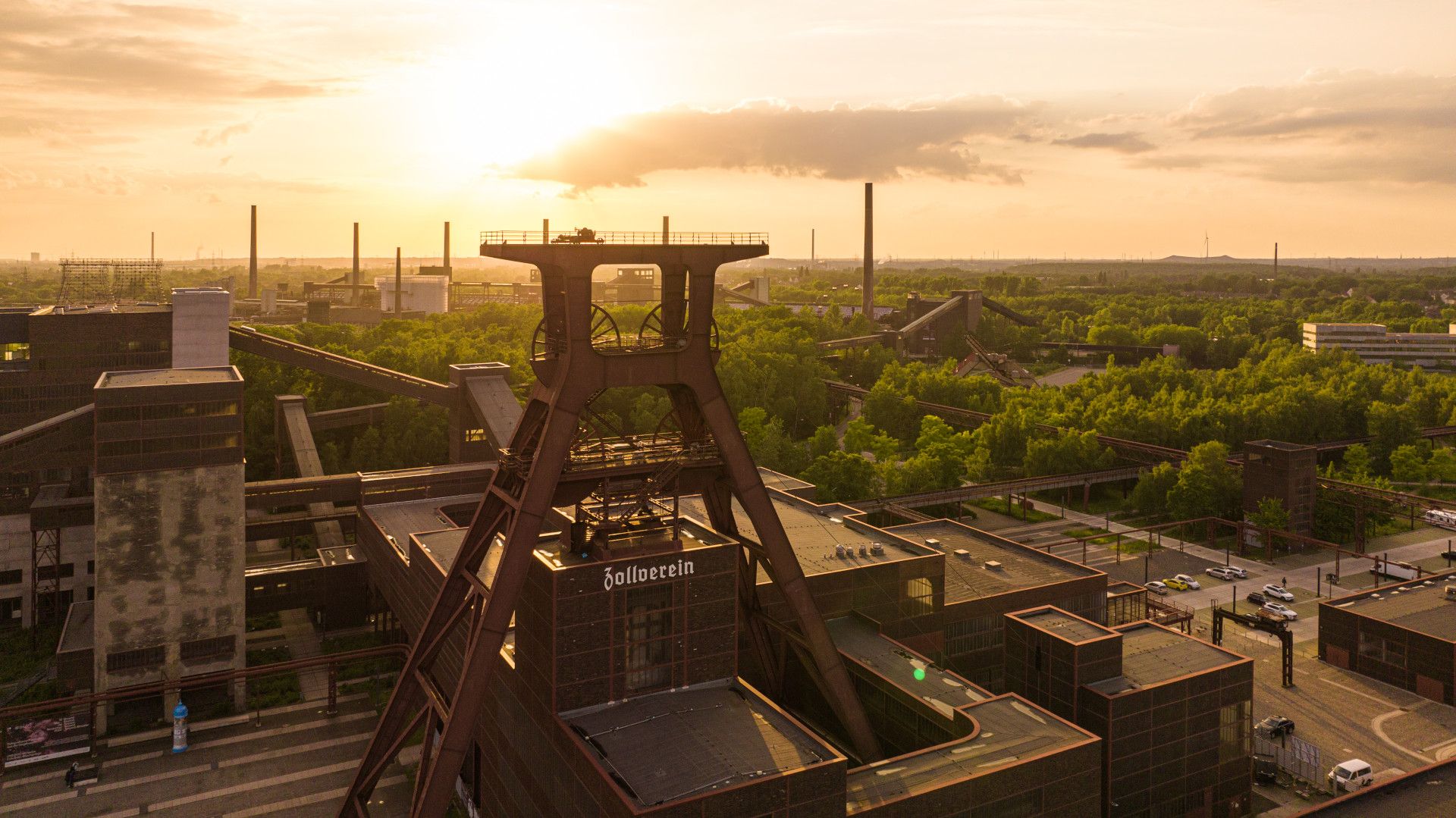
Industrial heritage can be found on every corner in the Ruhr Area: Colliery Zollern in Dortmund, for example, was once known as the "Castle of Labour" and is considered the model colliery of the Ruhr Area. Today, the LWL Industrial Museum tells the stories of those who worked underground in the Colliery. Industrial history is also brought to life at the Zollverein colliery in Essen. As an impressive monument to industrial heritage, it and the associated coking plant have been a UNESCO World Heritage Site since 2001.