Hardly any other fabric combines transparency and texture as effectively as lace. And hardly any other material has, over the centuries, more clearly signaled the social status of those who wear it. Through April 18, 2027, the Draiflessen Collection in Mettingen is dedicating an exhibition to this textile. In a dual exhibition in the Studiensaal and DAS Forum, the museum traces the history of lace artistry from courtly dress codes to contemporary fashion design.
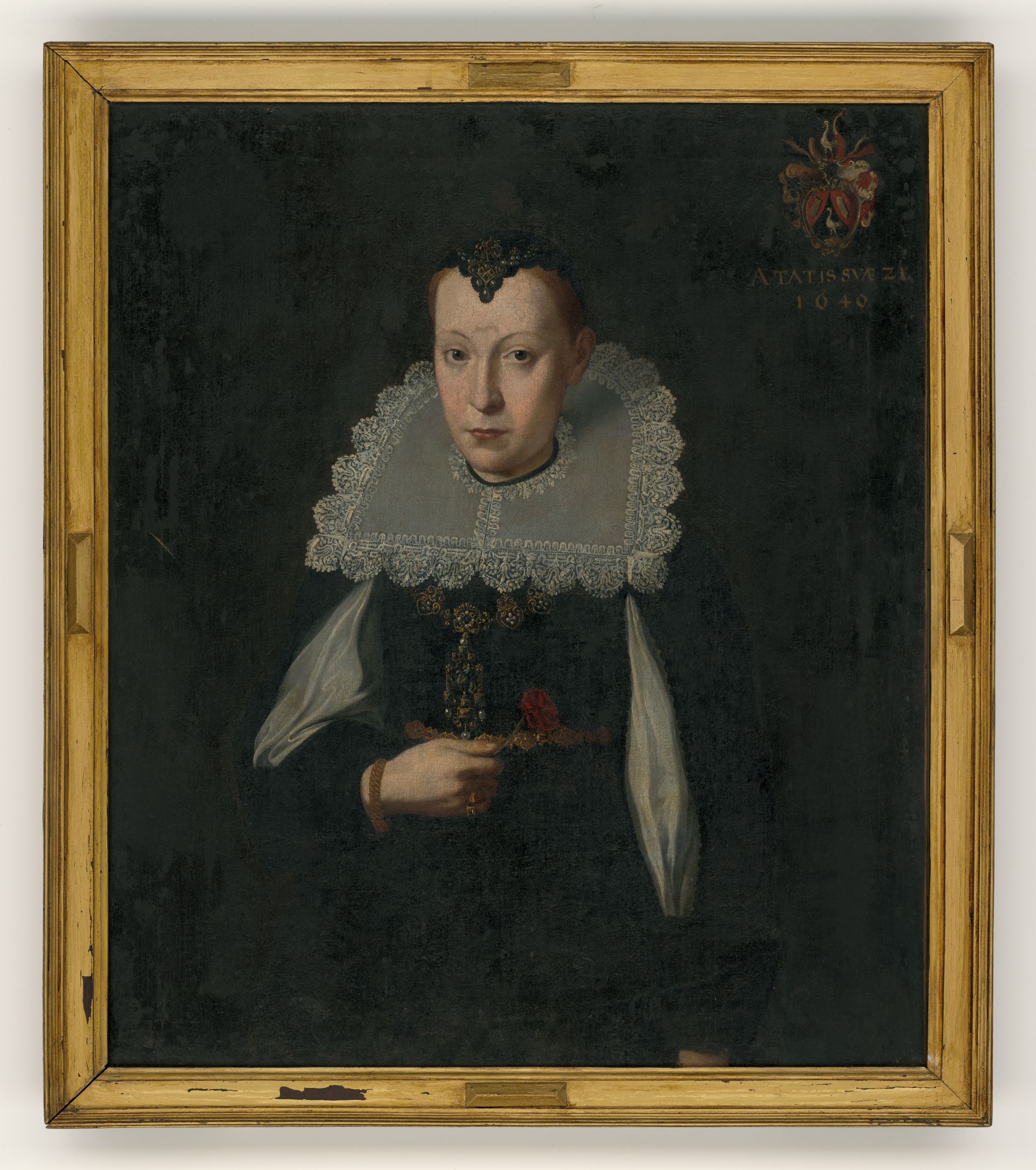
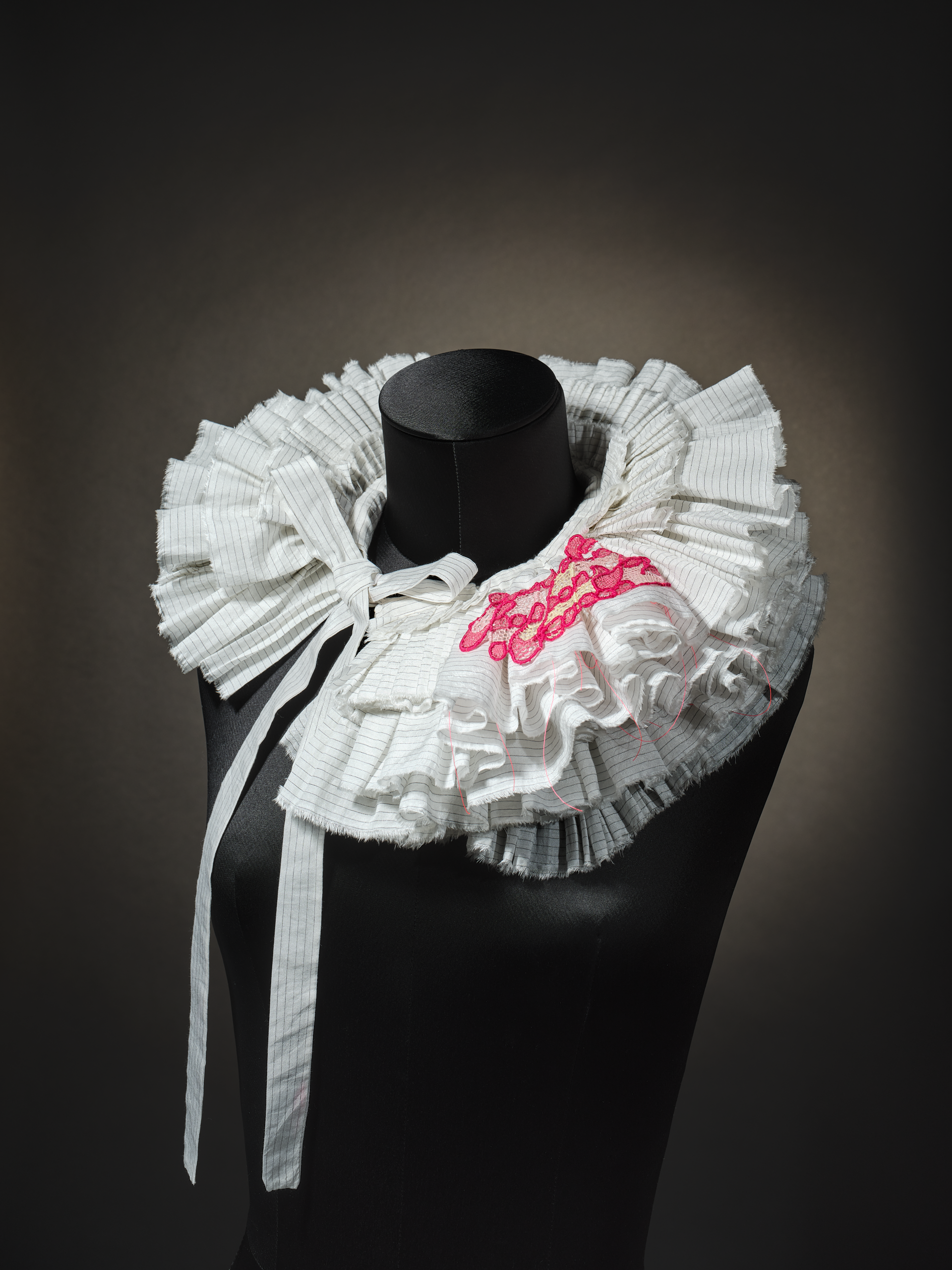
In the 16th and 17th centuries, fine lace was far more than mere decoration; it demonstrated wealth and rank. Particularly elaborately crafted collars made it clear at first glance which social class the wearers belonged to. Because production and maintenance were extremely expensive, strict dress codes restricted access to this luxury item. Nevertheless, precious lace repeatedly appears in old wills and estate inventories as valuable heirlooms.
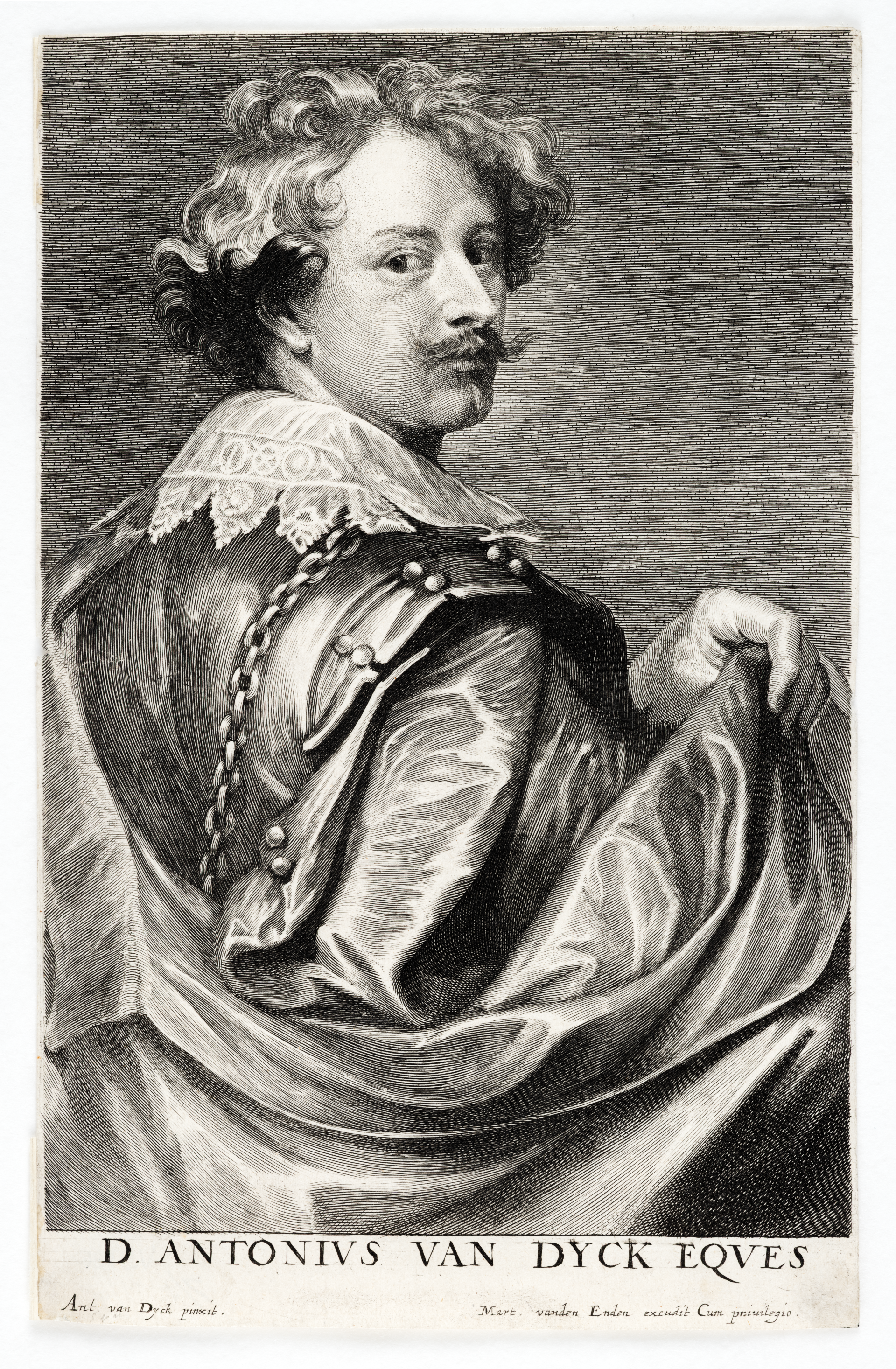
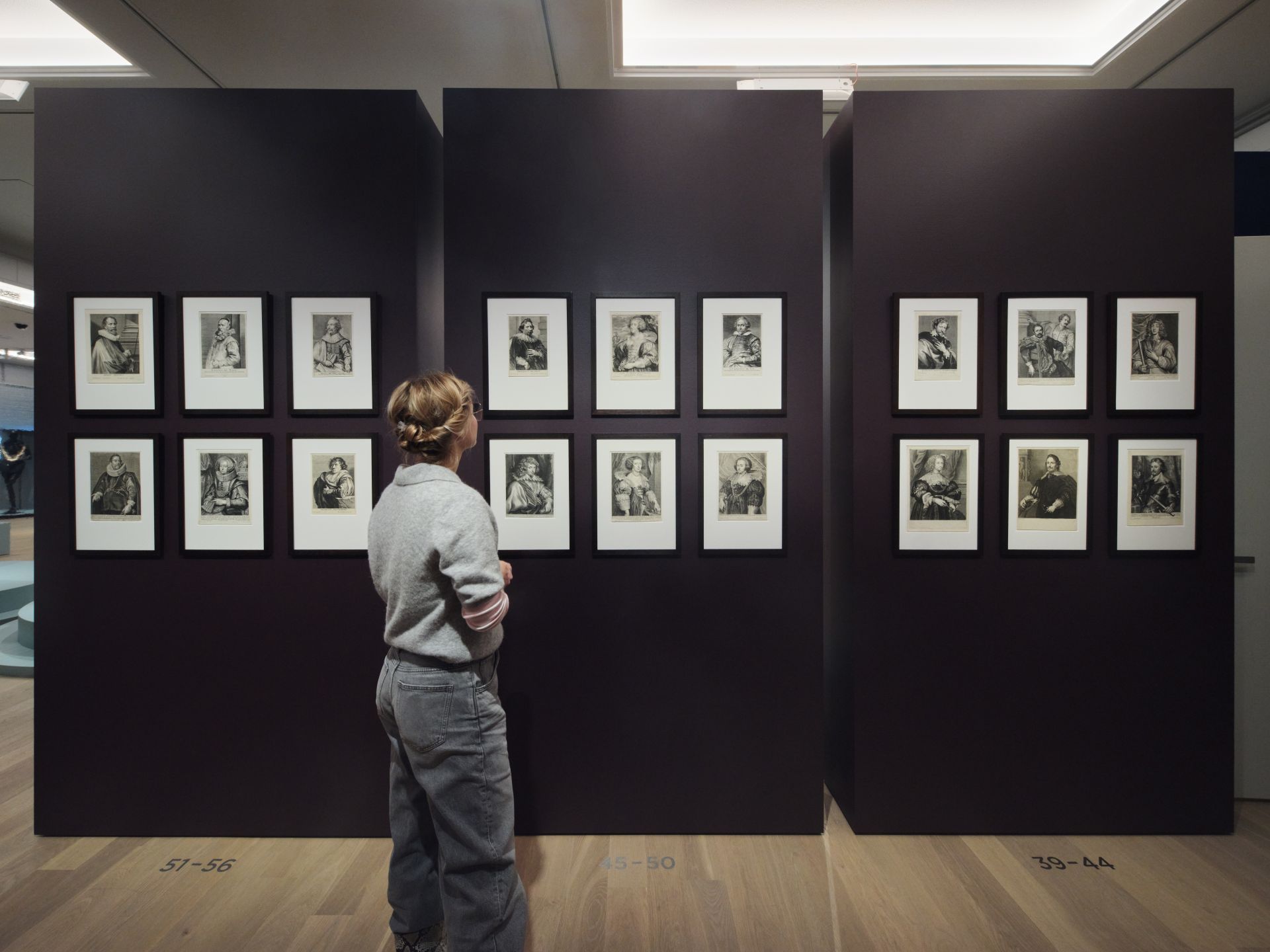
The section of the exhibition in the study hall demonstrates just how artfully this historical “collar fashion” was crafted. In dialogue with portraits from the iconography of Anton van Dyck (1599–1641) from the Liberna Collection, as well as the collection of paintings and miniatures by Frieda and Franz Lipperheide from the Art Library of the State Museums in Berlin, the structure and craftsmanship of the textiles become immediately apparent.
Between the Runway and Painstaking Handwork
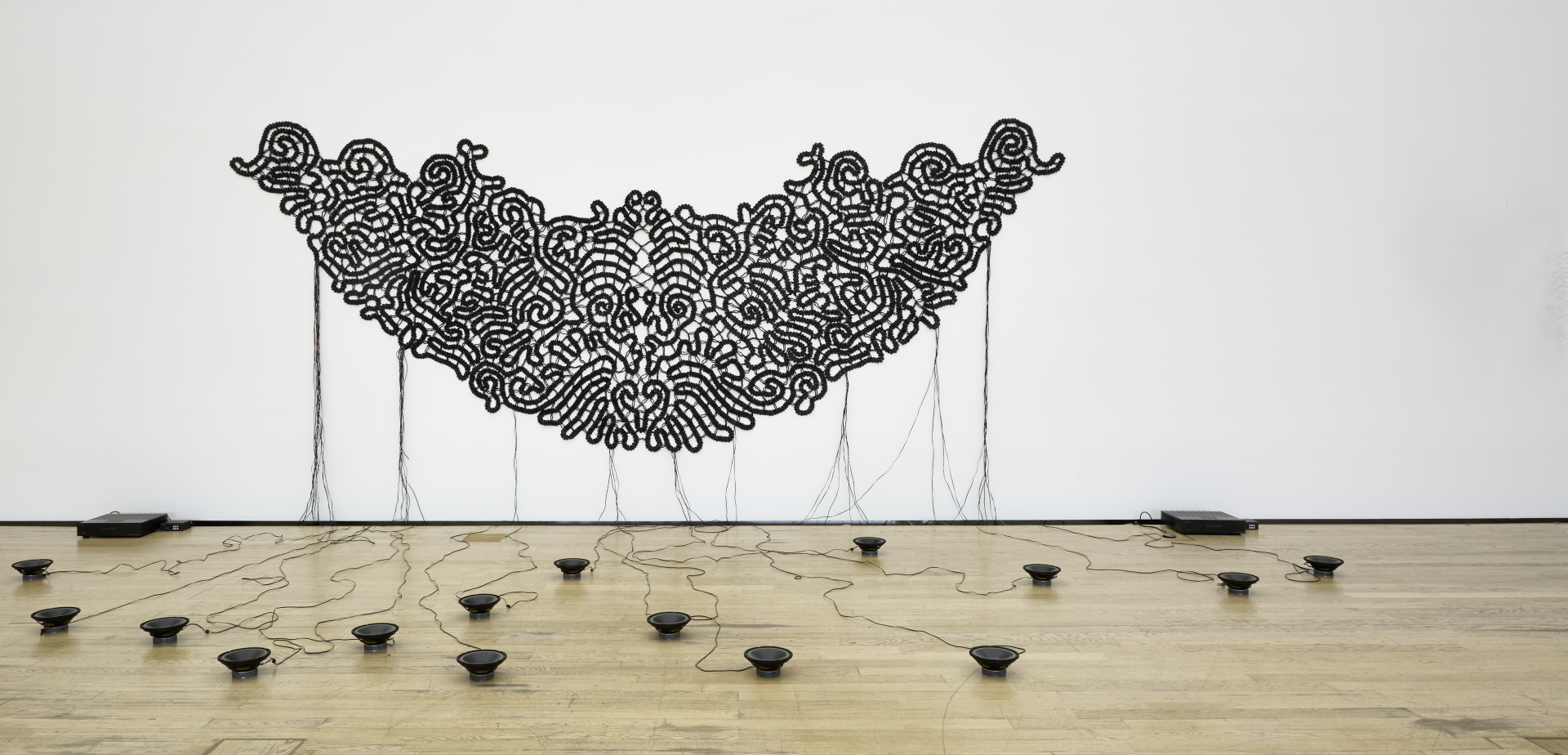
In DAS Forum, the focus is on the techniques of needlepoint and bobbin lace. Models and videos illustrate how complex ornaments are created from crossed and intertwined threads. A glance at the present makes it clear that this centuries-old tradition continues to have an impact today: A dress from Louis Vuitton’s current fall/winter collection demonstrates just how influential the collar remains as a design element in fashion. At the same time, designer Melanie Parzenczewski of Inlé Studio and Lennart Bohle are evolving this traditional craft with new materials and forms.
While textile splendor was on display at European courts, lace-makers and seamstresses often produced these delicate pieces under precarious conditions. The works of artist Gertrud Riethmüller draw attention to precisely this often-overlooked labor.