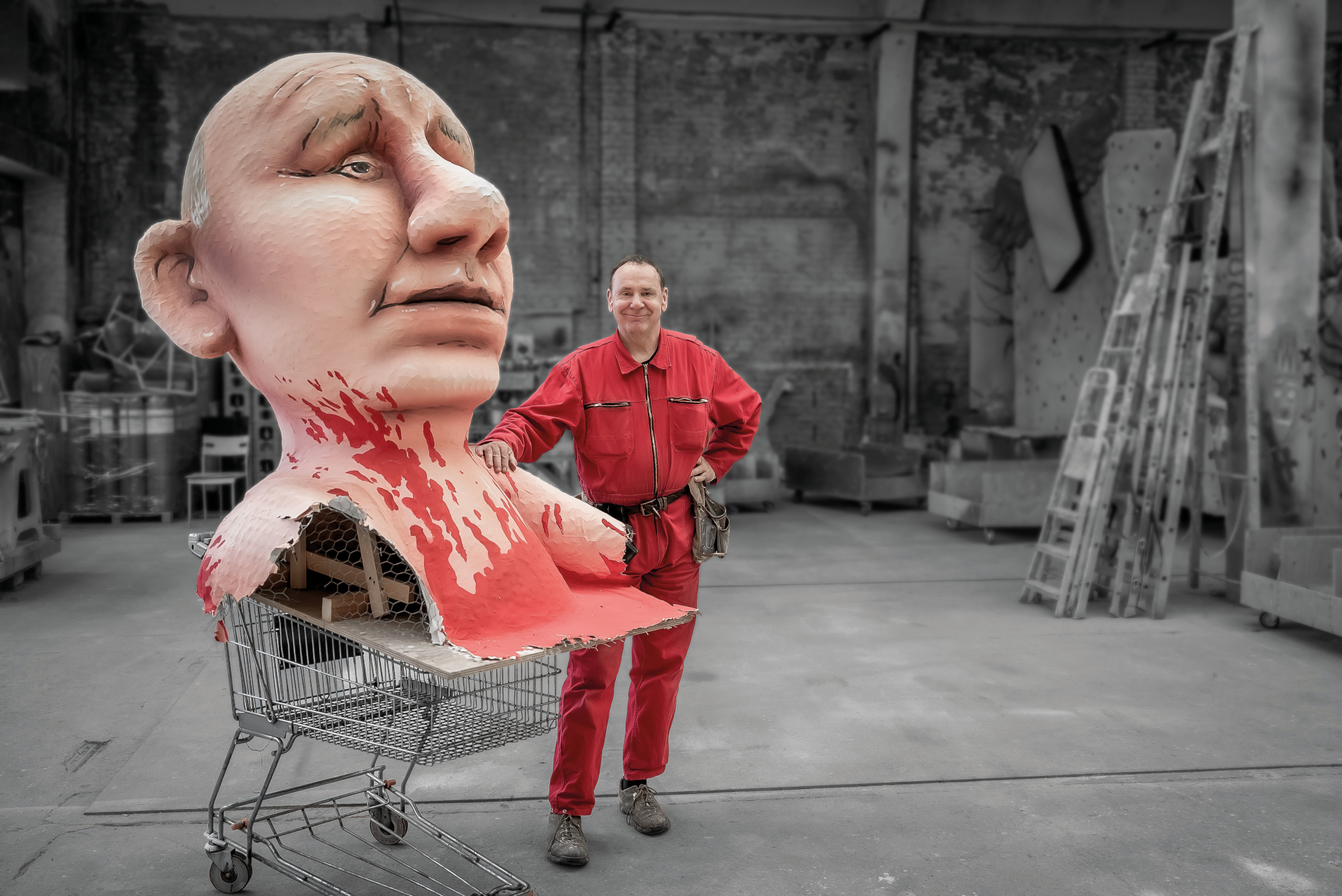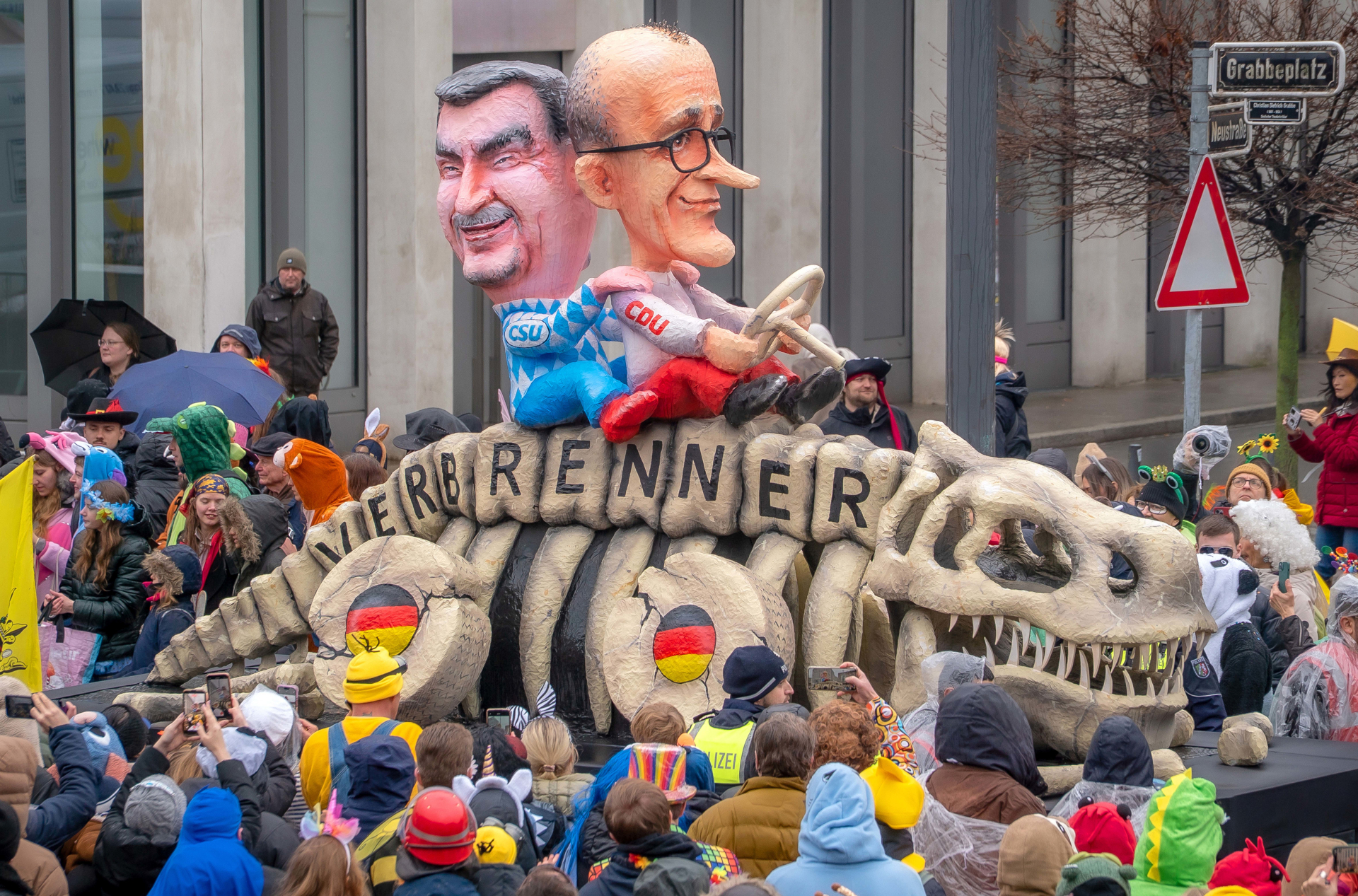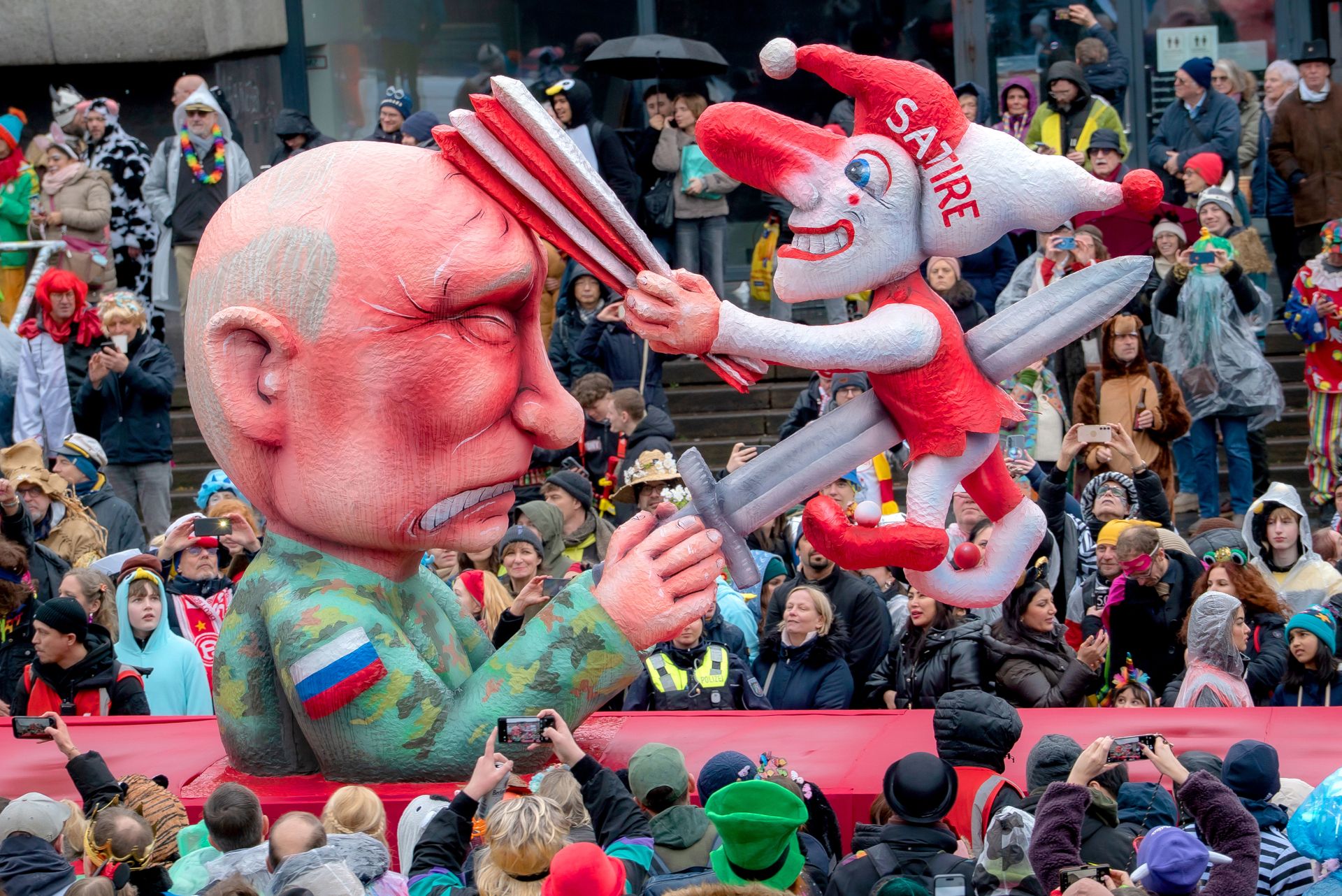
Carnival is a central space for social freedom in our democracy. This is made clear by the new special exhibition “Jacques Tilly—Floats and Resistance,” which is on view at the Kunstmuseum Bonn through March 14, 2027. The exhibition explores how far the sculptor’s satirical works for Düsseldorf’s Rose Monday parade extend beyond the traditional carnival. The enormous political impact of Tilly’s satires is evident in reality: In April 2026, a Moscow court sentenced the sculptor in absentia to a lengthy prison term. This verdict continues to impose concrete travel restrictions and constant security risks in the artist’s daily life.
When Papier-Mâché Becomes a Matter of State
The exhibition offers a glimpse behind the scenes of his work and shows how an initial idea evolves into a sweeping political message. At the heart of his work lies the struggle for the freedom to provoke, criticize, and push artistic boundaries. As a keen observer, Tilly uncompromisingly harnesses the traditional “fool’s freedom” to subvert existing power structures within the political freedom of Carnival. With humor and sharp wit, his floats parody religious institutions, political structures, and social injustices.
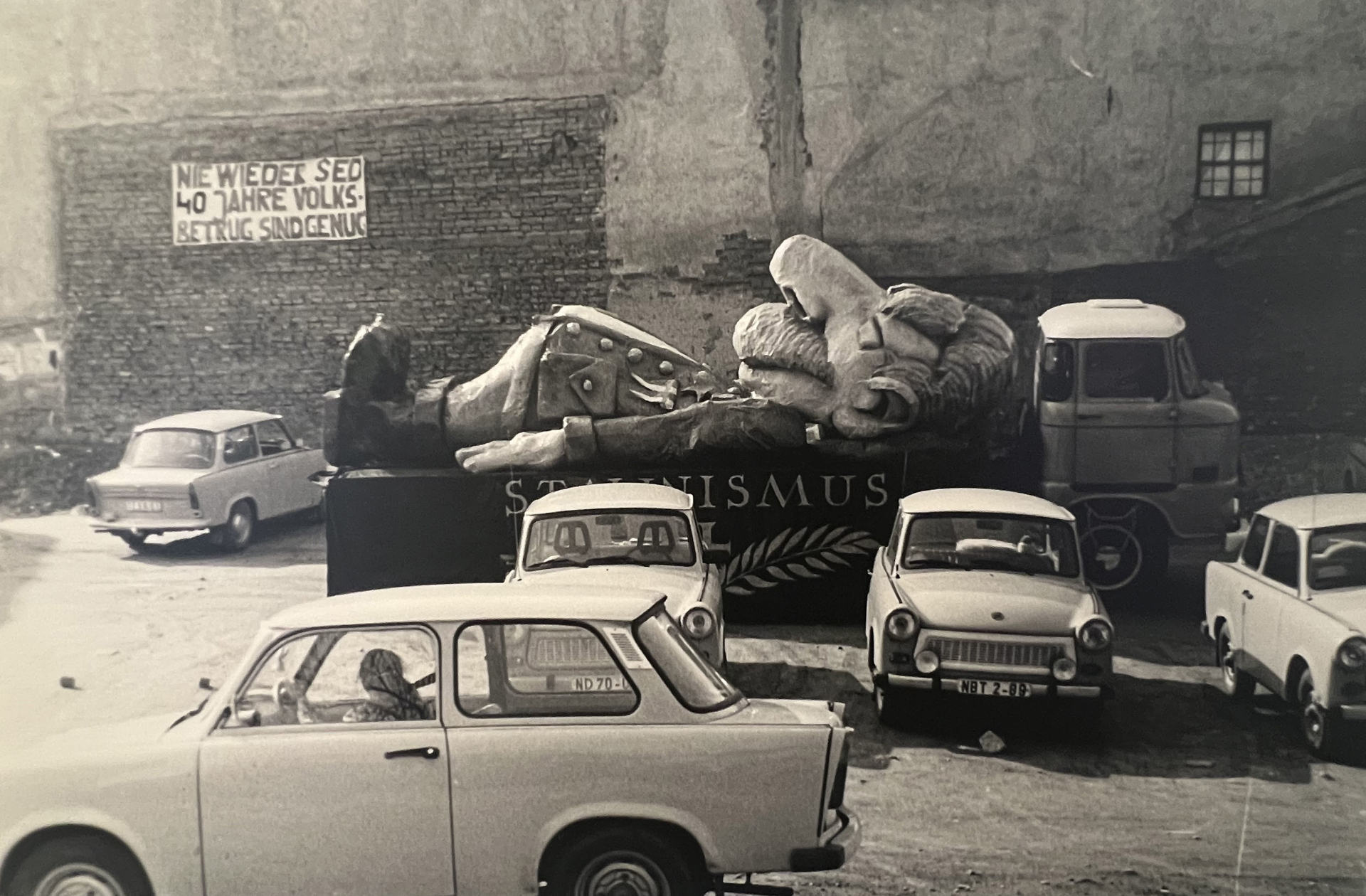
Visitors can explore models of his large-scale sculptures from various decades, detailed sketches, as well as rare photographs and film documents. The scope ranges from historical works from the era of the Bonn Republic to the latest international reactions to Tilly’s work, which range from enthusiastic applause to attempts at censorship.
While the concurrent exhibition project “Freiräume — Between Change and Resistance,” running concurrently at the Kunsthalle Bonn, opens up new perspectives on community and understanding, the Tilly exhibition focuses on the question of how much satirical edge an open society can tolerate in the name of artistic freedom and where the boundaries between humor, provocation, and freedom lie.