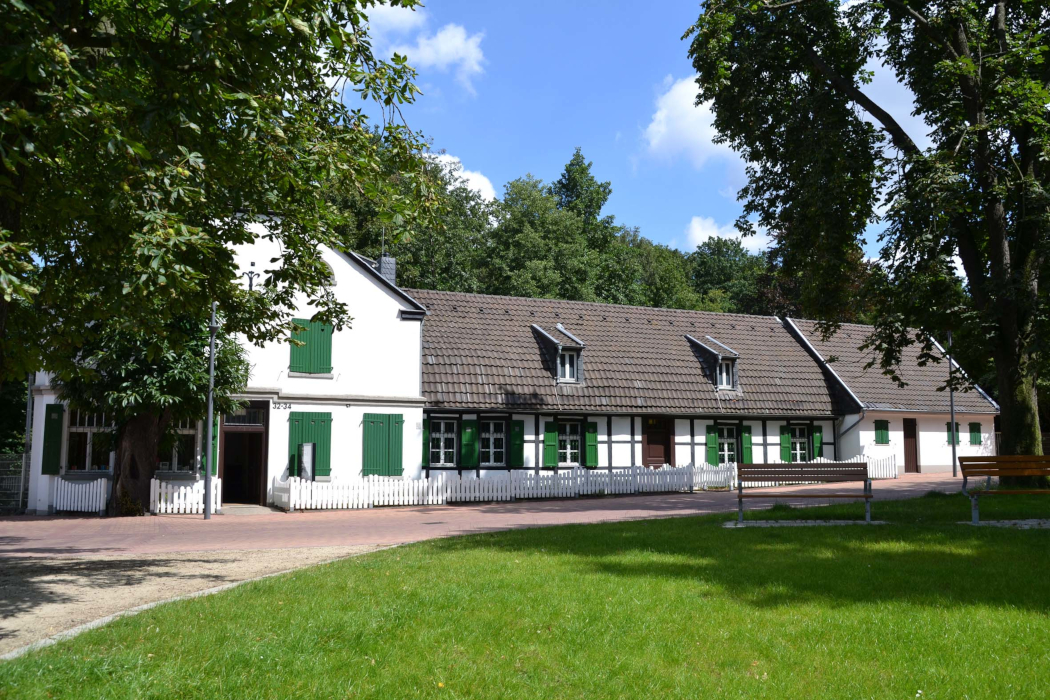
With an exhibition on the “Cradle of the Ruhr Industry,” the museum commemorates the beginnings and development of the region’s first ironworks. Prominent figures from the steel industry helped shape the area’s history. The facility once manufactured pans, pots, ammunition, and machine parts.
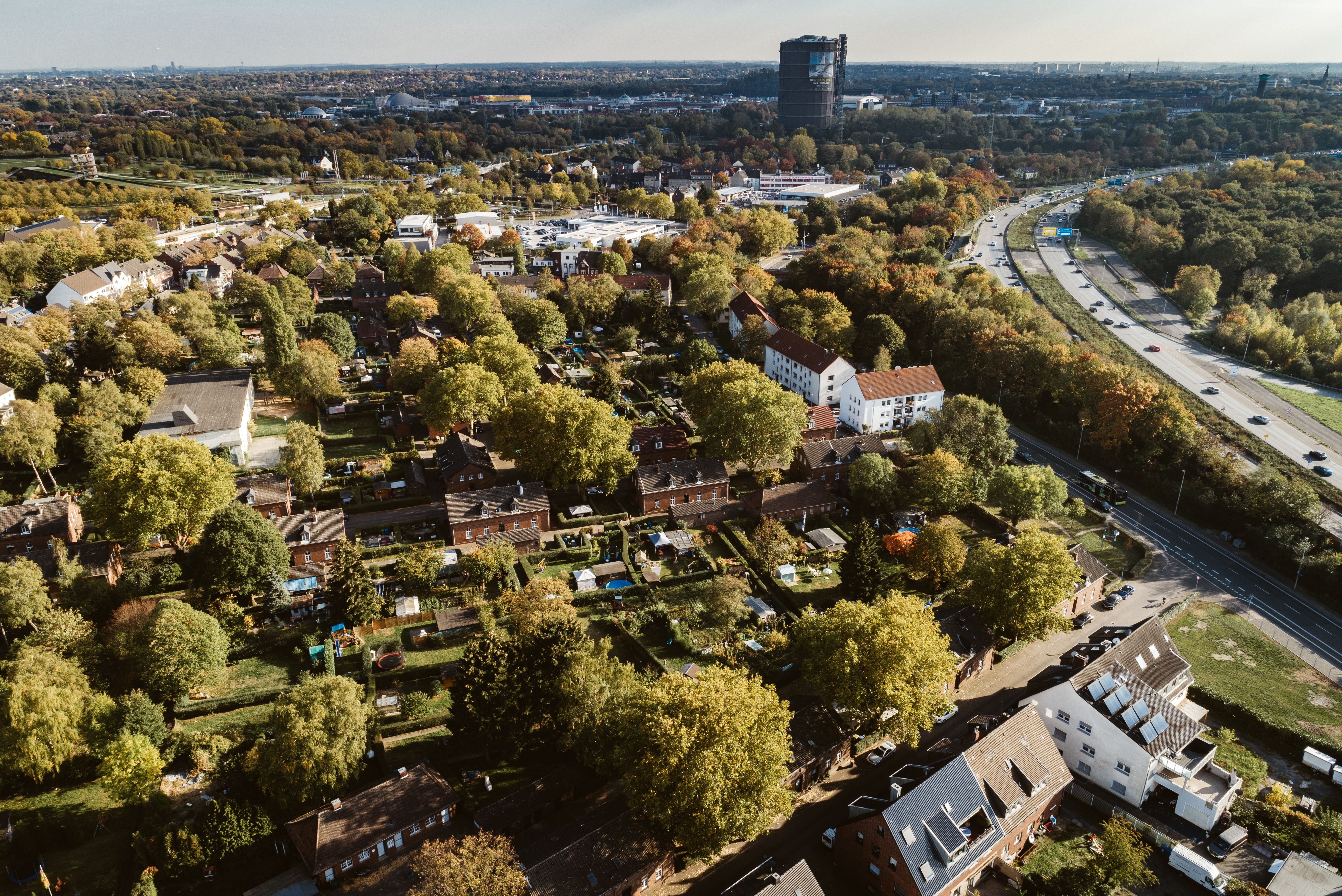
It is the birthplace of the steel industry in the region: the St. Antony Steelworks. It gave rise to the global corporation Gutehoffnungshütte. In 1757, pig iron flowed here for the first time—in the northern suburb of Klosterhardt, part of the city of Oberhausen, and right in the middle of a residential area. Prominent figures in the industry, such as Jacobi, Haniel, Krupp, and Wenge, came and went, living and working at the plant.
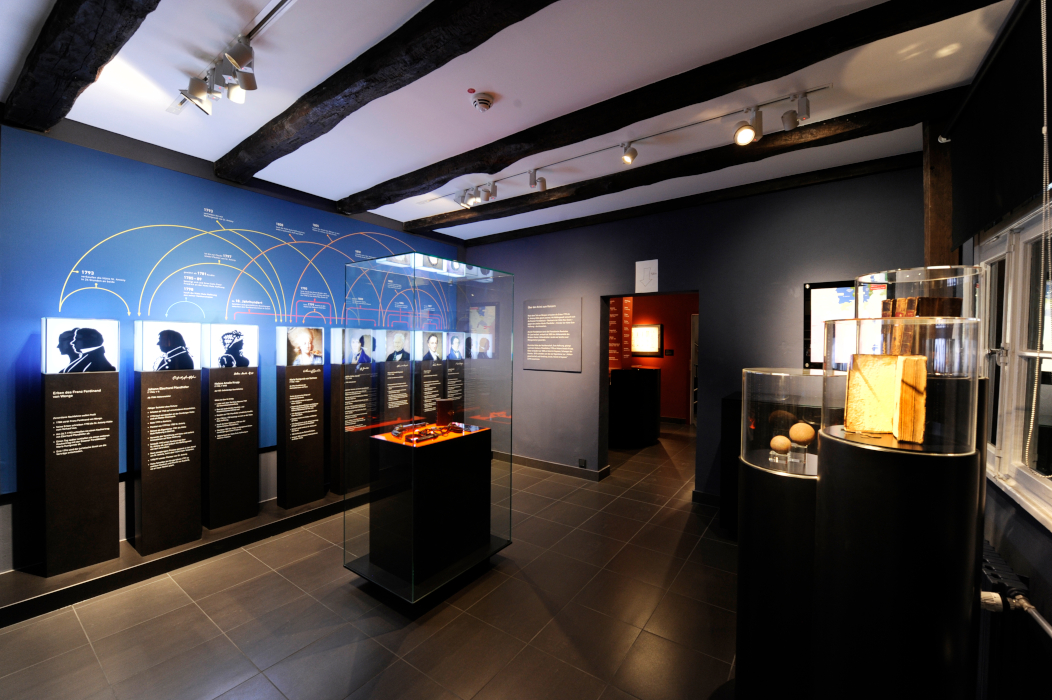
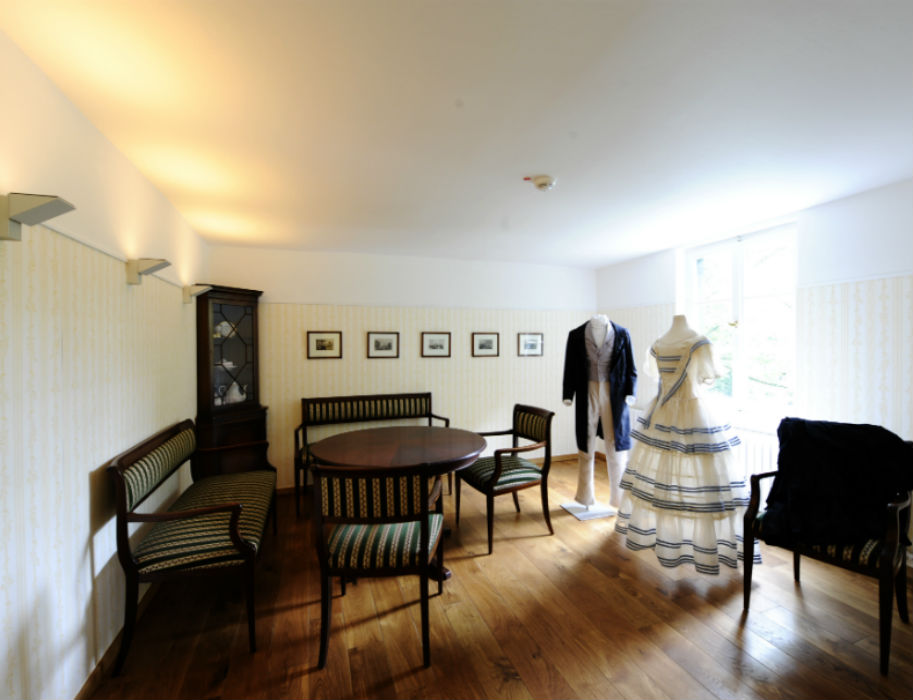
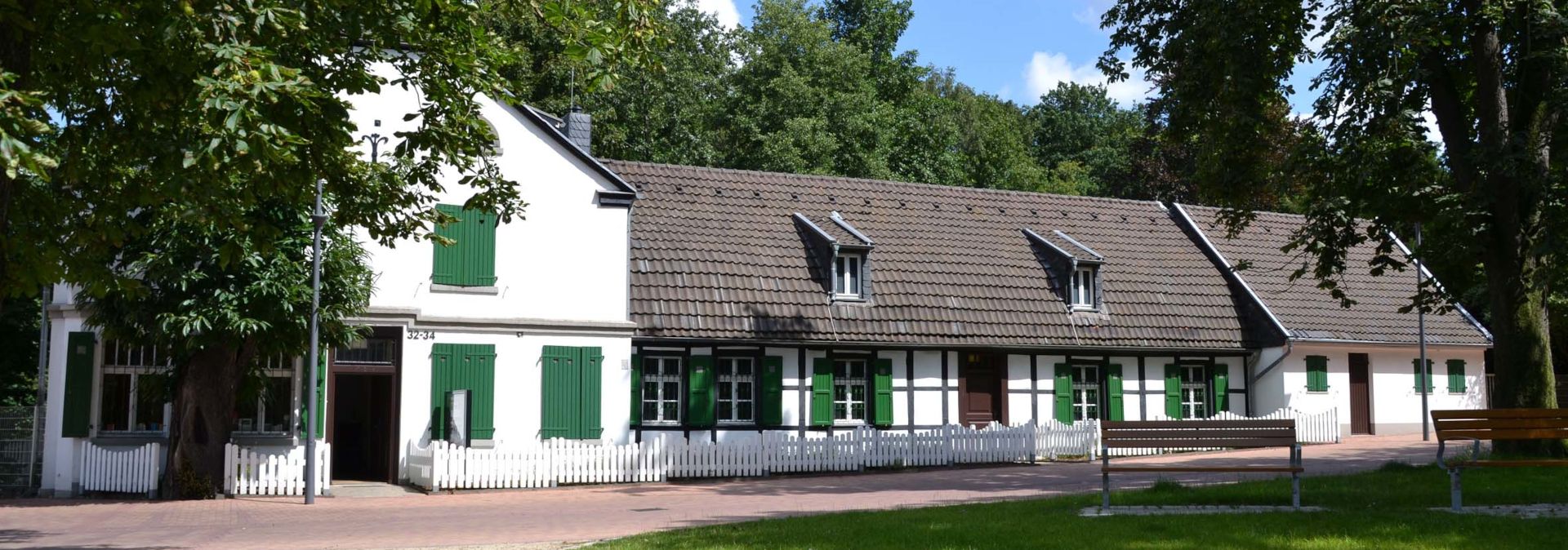
Today’s museum commemorates the beginnings and development of the Ruhr region’s first ironworks with an exhibition on the “Cradle of the Ruhr Industry.” Spanning 225 square meters in the former director’s residence, the exhibition allows visitors to gain insight into how production and work were carried out on site. A diagram illustrates the relationships among the first ironworks owners. Exhibits from the production process, such as documents and historical artifacts, tell fascinating stories of everyday life.
VISITORS CAN TOUR THE ARCHAEOLOGICAL SITE
In the LVR Industrial Archaeological Park across the street, the impressive history of the ironworks is brought back to life through the exposed remains of the old plant. Video clips and a miniature model of the old facility bring it back to life at the approximately 1,000-square-meter excavation site and illustrate how pots and pans, ammunition, and machine parts were produced here. Until its closure in 1877, the St. Antony Smelter primarily manufactured iron and steel products, though it also produced paper for a brief period.
Thanks to a futuristic steel roof that spans the park like a shell, visitors can comfortably explore the site even in bad weather. In addition to the St. Antony Smelter, the LVR Industrial Museum in Oberhausen also includes the former Altenberg Zinc Factory and the Eisenheim Museum, home to the Ruhr region’s oldest workers’ settlement.
Industry and culture enthusiasts can find the zinc factory right next to the main train station. However, it is expected to remain closed for renovations until 2025. The Eisenheim Museum is located in the Osterfeld district. Both sites can be easily reached on a day trip by car, train, or bus.