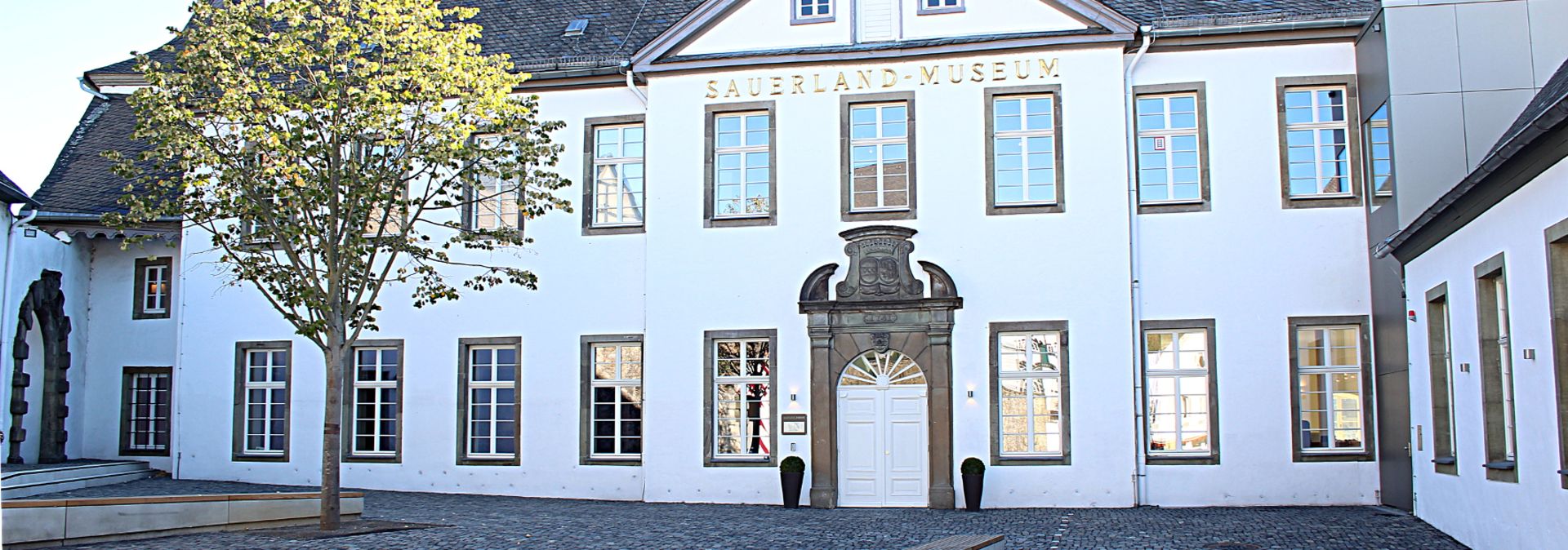
The Sauerland Museum brings regional history to life in a vivid way. Visitors follow a timeline through the centuries. Through pictures, models, and historical documents, guests can gain insight into social developments. The museum’s new building, completed in 2019, provides space for high-quality special exhibitions.
The Sauerland is a paradise for cyclists and hikers, a recreational oasis with many forested areas and reservoirs. Parts of the region were known for their thriving industry in the 18th and 19th centuries. Iserlohn was at one time considered the largest industrial city in Westphalia, before certain cities in the Ruhr region gained the upper hand. Spiritual centers such as monasteries and religious orders played a decisive role in shaping the Sauerland’s identity. It goes without saying that such a diverse region needs its own museum to guide visitors on a journey through its history—a museum that traces its cultural and historical development from the beginnings of the former Duchy of Westphalia to the present day.
Following a timeline, visitors embark on an exciting journey of discovery across three floors of the Landsberger Hof—a historic city palace modeled after French architecture: An interactive exhibit on the Paleolithic Era and the Middle Ages in the basement introduces guests to this engaging display with original artifacts from the Balver Cave and the skeleton of an 80,000-year-old cave bear.
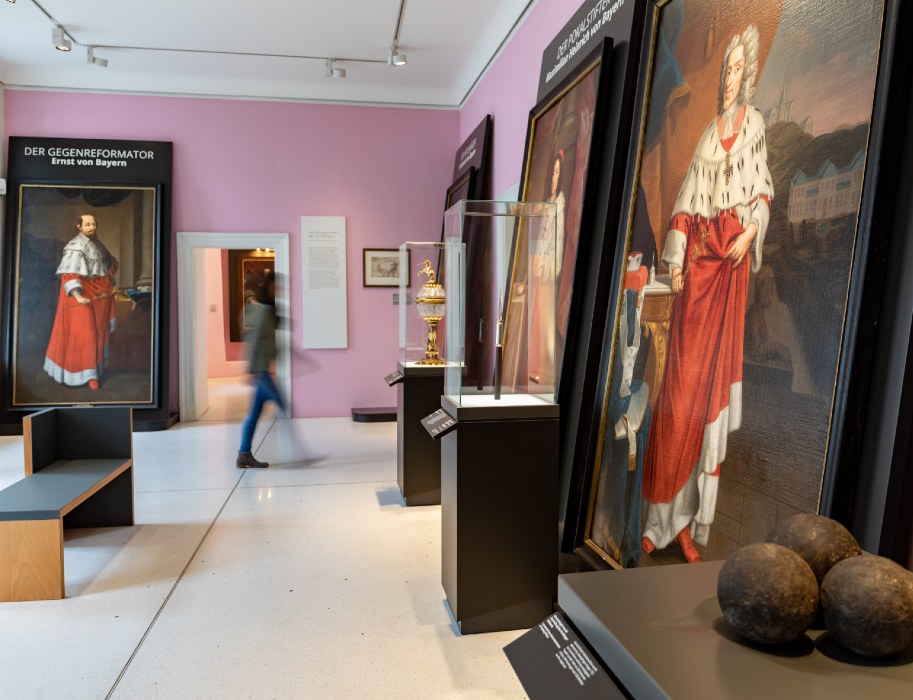
On the ground floor, history buffs can trace the heyday of the duchy, while life-size portraits of important bishops and electors tell of pomp and glory. A model of the nearby Wedinghausen Monastery helps visitors understand the significance of religious centers for education and culture.
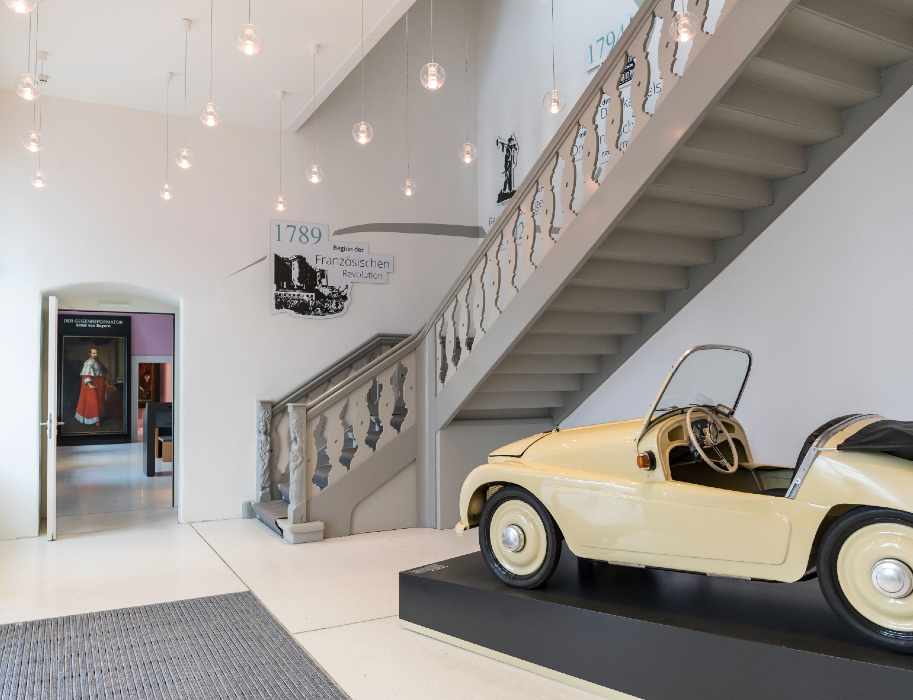
With its many exhibits, the historical regional museum covers not only historical but also cultural aspects: This becomes particularly clear to visitors on the upper floor, which focuses on the region during the eras of Napoleon, the Kingdom of Prussia, the Weimar Republic, and National Socialism. Not far from military uniforms, flags, and furnishings, a “Wahl-O-Mat” from 1932 provides some “aha” moments.
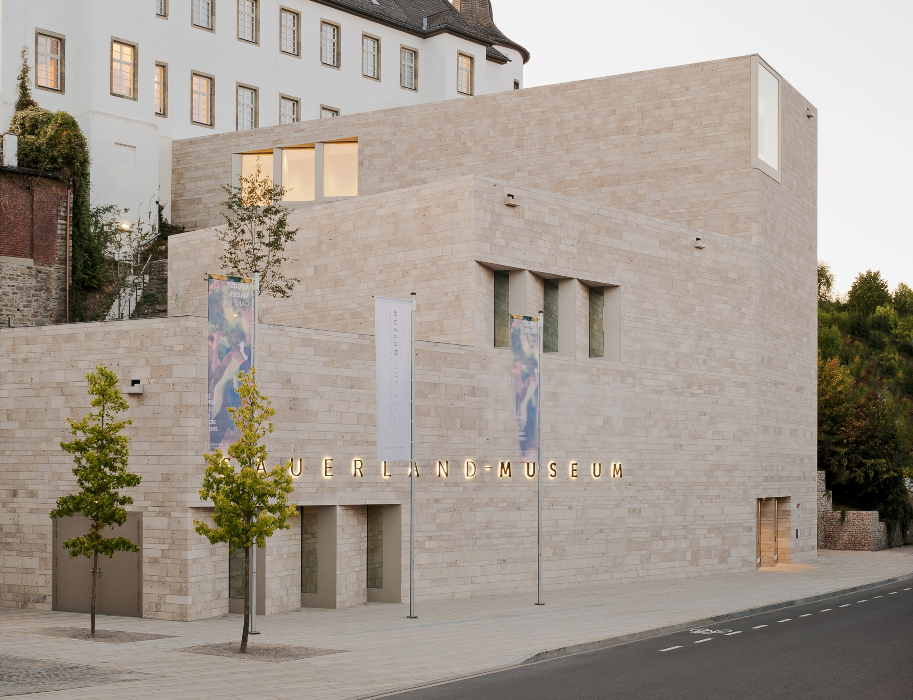
Anyone interested in a top-notch special exhibition after the comprehensive tour through the centuries can visit the impressive museum annex. Since its opening in 2019, it has been connected to the palace via a bridge. An exhibition on August Macke has already been a great success here.
A closer look at the extraordinary exhibition building from the outside is also worthwhile: Three cube-shaped floors gracefully nestle into Arnsberg’s beautiful landscape on the edge of the slope leading down to Ruhrstraße. A tour of the medieval city center or the Rüdenburg ruins will further enhance the experience.