It is not the red carpet of Bayreuth that is rolled out for visitors here, nor is it the social scene of Vienna and Salzburg, where people go to see and be seen.
However, when it comes to the artistic quality of the Ruhrtriennale’s productions and the boldness of its program—ranging from music theater to dance and performance to drama and concerts—this unconventional festival stands out from the European festival scene.
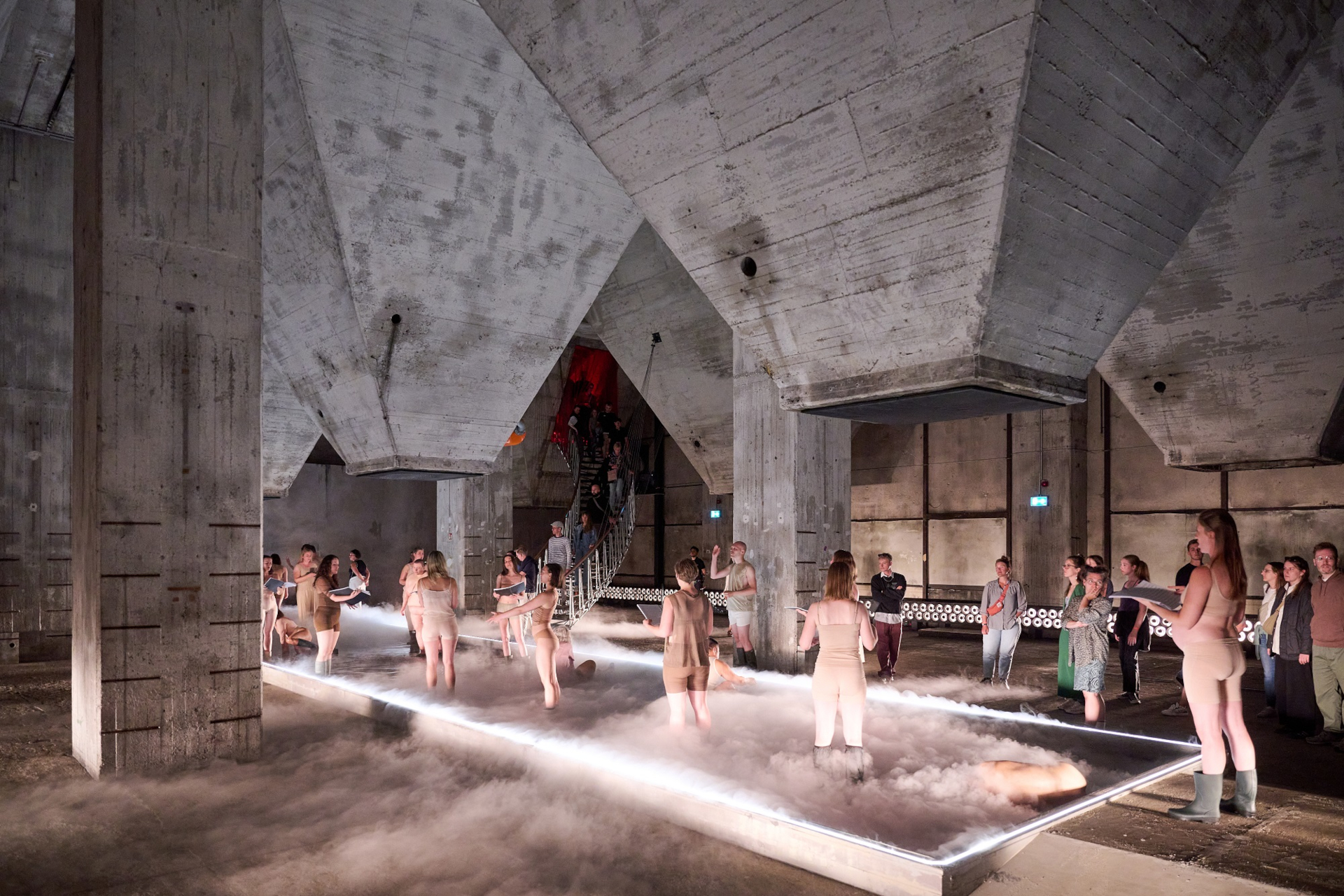
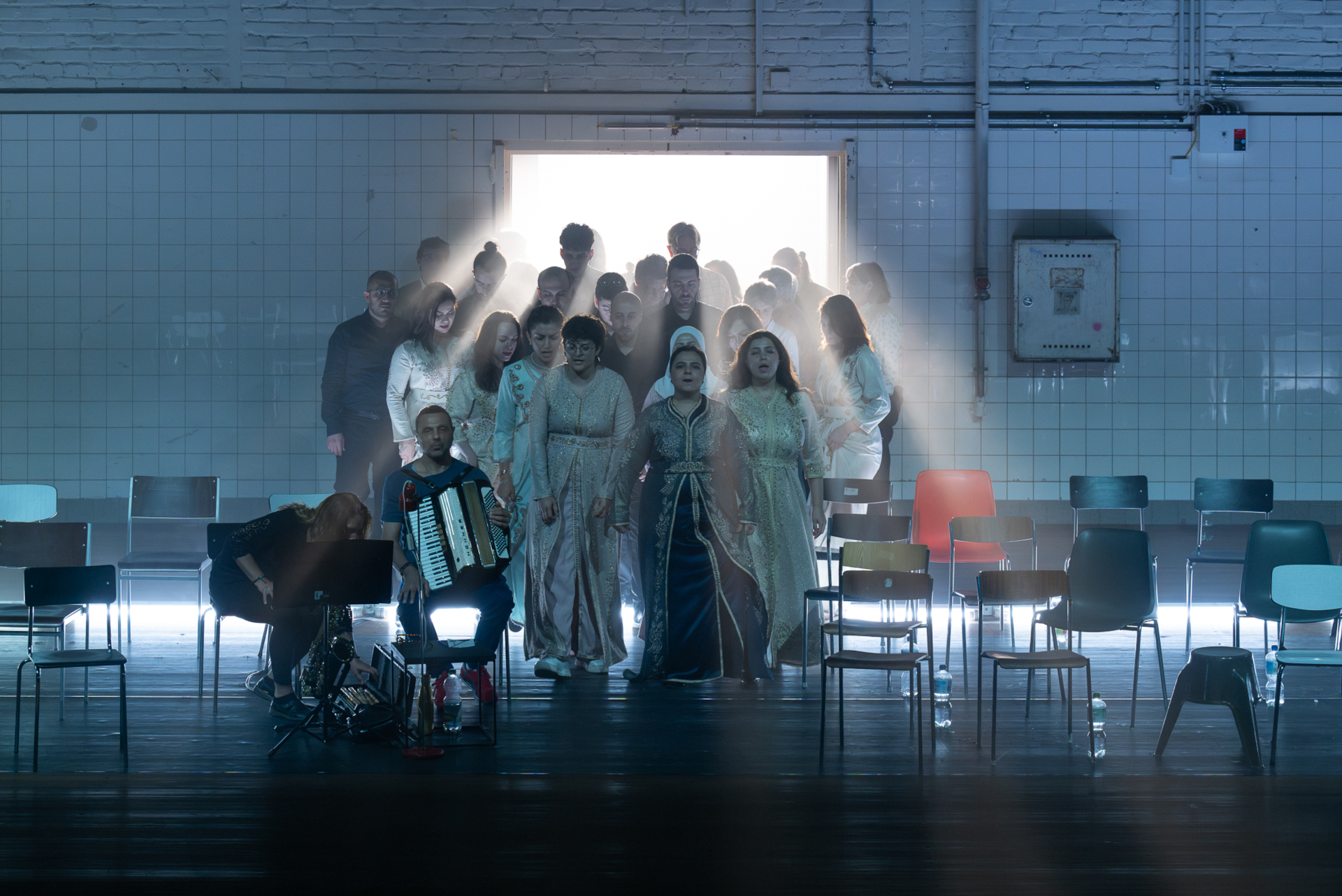
Whether in the Duisburg-Nord Landscape Park, on the grounds of the Zollverein Coal Mine Industrial Complex, or in Bochum’s Jahrhunderthalle—which has become the festival’s unofficial venue—the Ruhrtriennale’s venues are not merely performance spaces but play a decisive role in shaping the artistic work.
Every three years, the festival reinvents itself
Founding artistic director Gerard Mortier has called these often spectacular works “creations”—cross-disciplinary pieces that are also shaped by the industrial past of these extraordinary spaces—through their vastness, their workshop-like versatility, and their unique atmosphere. The first Ruhrtriennale took place from 2002 to 2004, and to this day, that special spirit permeates the festival’s still-young history.
Every three years, North Rhine-Westphalia’s largest cultural festival starts anew: back to square one. Every three years, a new program, a new aesthetic, and a new artistic director.
The festival reinvents itself at a steady pace, yet gives every artistic director the opportunity to develop the program along broad lines over the course of three seasons. So far, every artistic director has succeeded in doing so.
Gerard Mortier, who founded the festival with visionary insight, Jürgen Flimm, Willy Decker, Heiner Goebbels, and most recently Johan Simons have all garnered widespread critical acclaim and sold-out venues with their programs. Stefanie Carp and Barbara Frey followed in the footsteps of their male colleagues and made headlines not only with their cultural programs. In 2024, Belgian theater director and artistic director of the Internationaal Theater Amsterdam (ITA), Ivo van Hove, will take over as artistic director of the Ruhrtriennale for three years.
The Ruhrtriennale can best be compared to the Festival d’Avignon or the Edinburgh International Festival: set apart from the repertory operations of the major theaters, the festival in the Ruhr region is first and foremost a production festival. The ambitious program, featuring around 30 major productions each year, is therefore characterized primarily by world premieres and new stagings.
Christoph Schlingensief staged his provocative “Church of Fear” at the Ruhrtriennale; video artist Bill Viola had five angels ascend the interior walls of the Oberhausen Gasometer, and young director Nurkan Erpulat created a theatrical sensation here with “Verrücktes Blut” (Crazy Blood).
Grand musical theater and acclaimed premieres
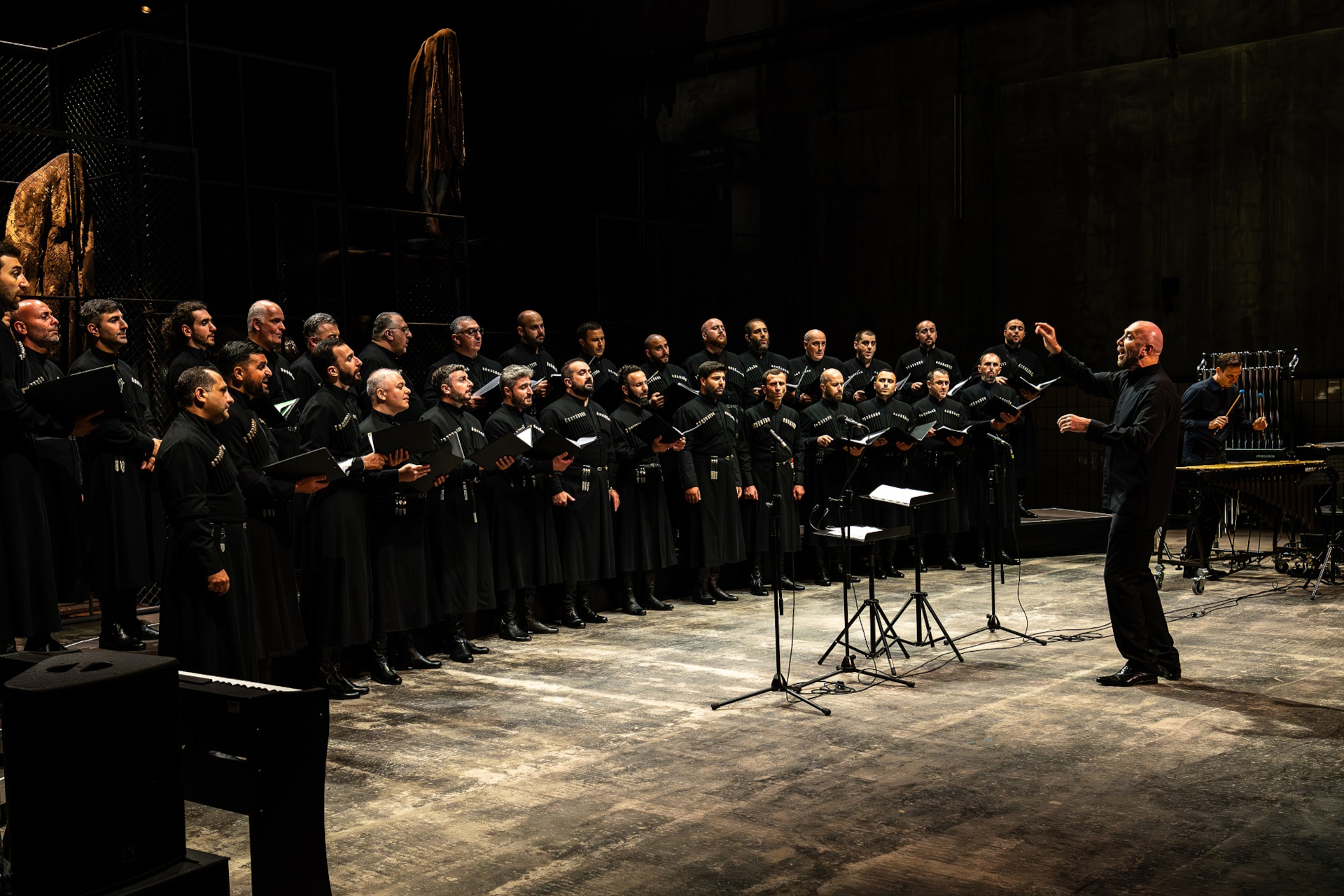
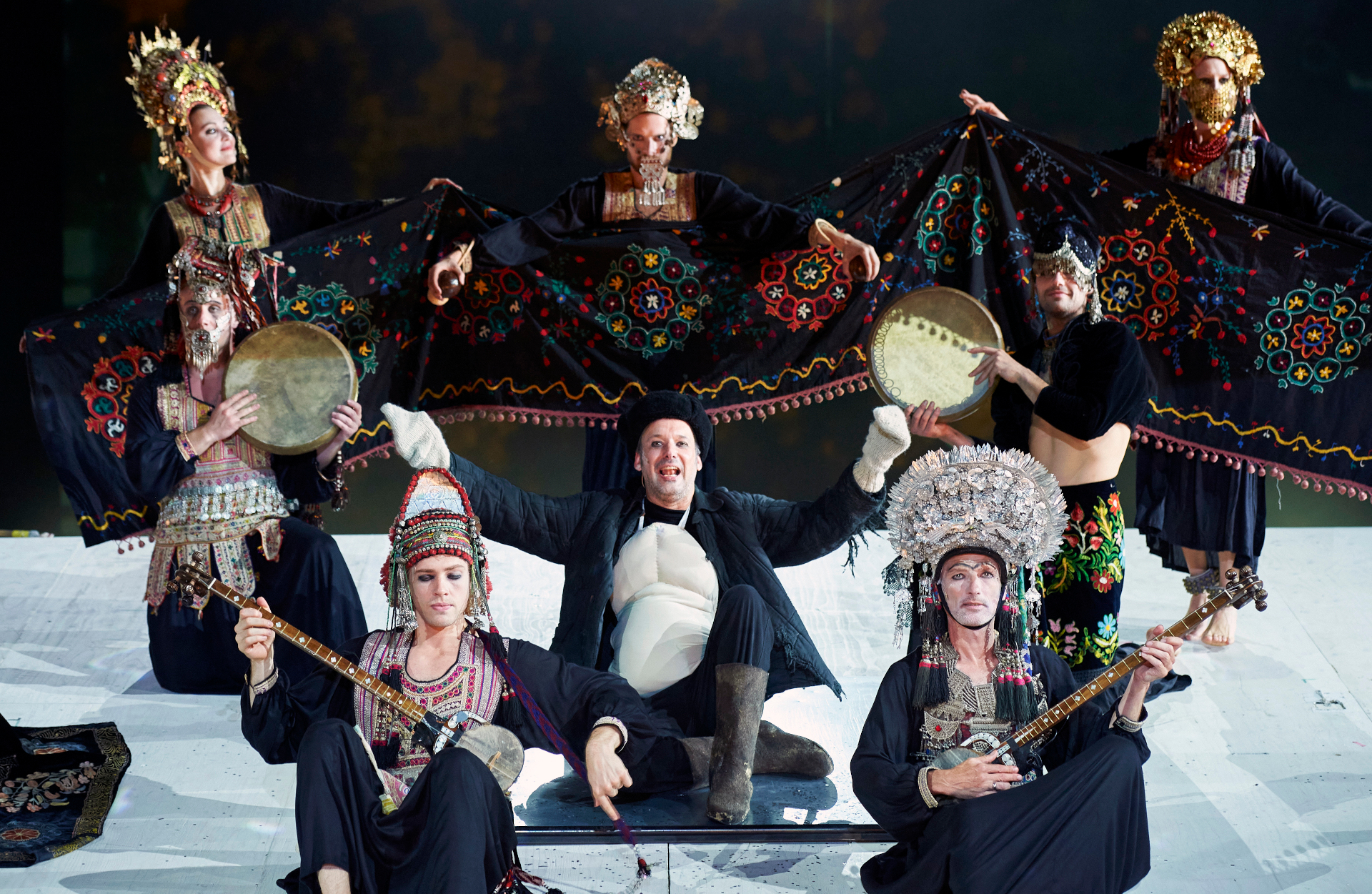
Above all, however, it is the lavish opera and music theater productions that draw international audiences to the Ruhr region: Messiaen’s “Saint François d’Assise” (2003), Zimmermann’s “Die Soldaten” (2006), Schoenberg’s “Moses und Aron” (2009), and Wagner’s “Tristan und Isolde” (2011) all celebrated acclaimed premieres at the Jahrhunderthalle Bochum, which was specially fitted out for each respective production.
While cultural festivals elsewhere are suspected of being little more than venues for large-scale productions, the Ruhrtriennale consistently focuses on unique artistic experiences that, tied to their specific location, are possible in this form only in North Rhine-Westphalia.