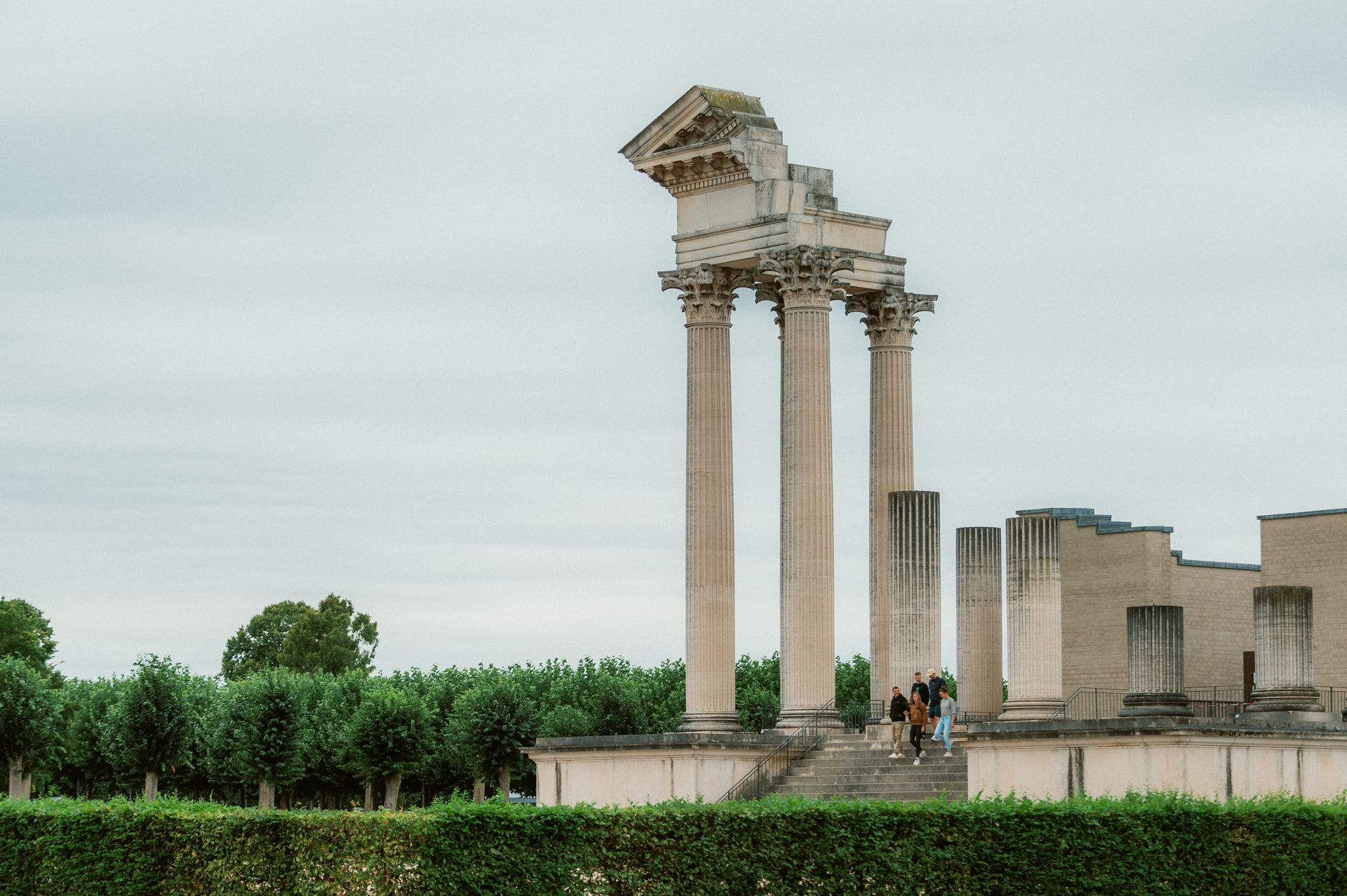
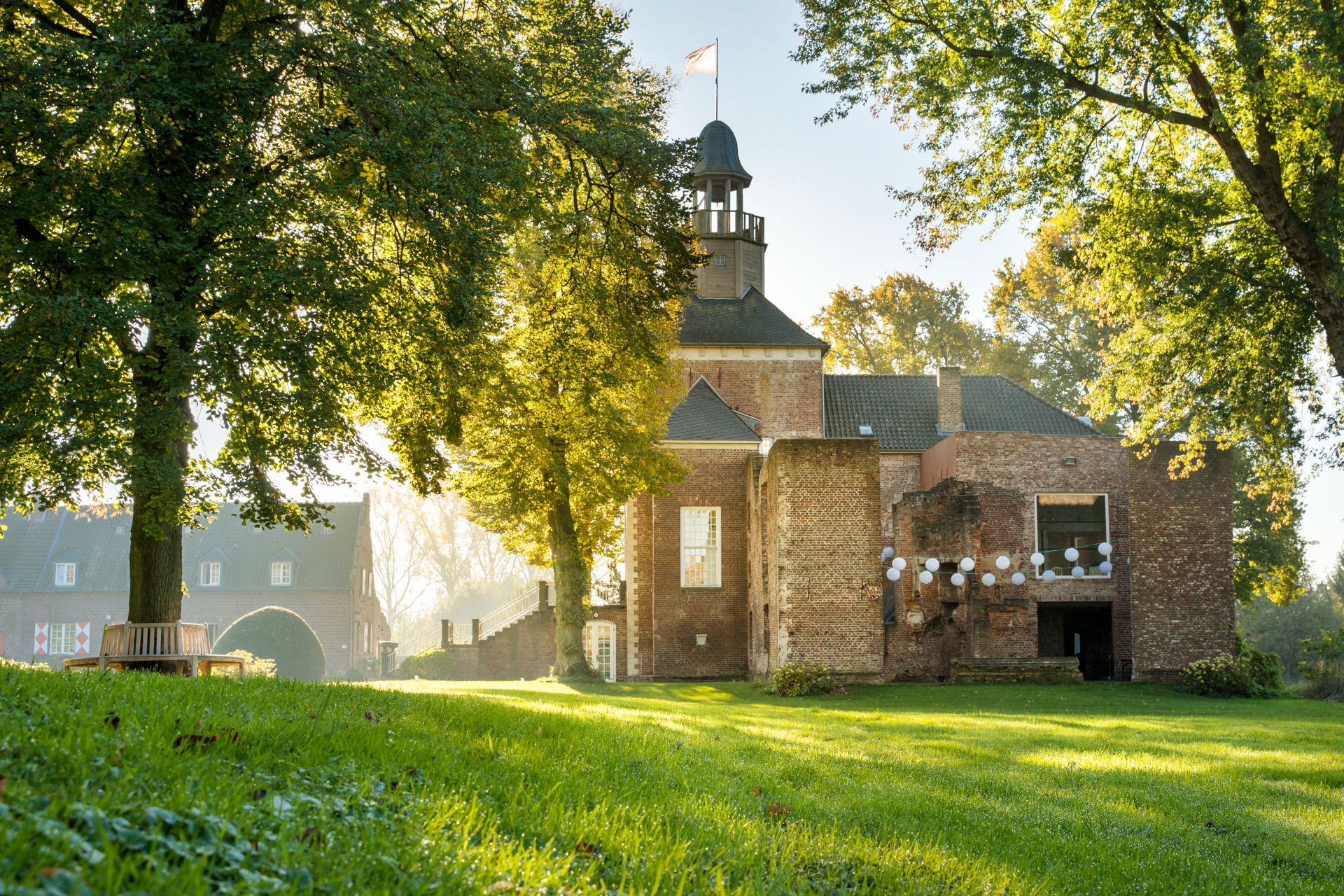
Here, visitors can experience the Lower Rhine’s Roman past step by step. On the grounds of the former Colonia Ulpia Traiana—one of the most significant Roman settlements north of the Alps—visitors gain a vivid picture of daily life some 2,000 years ago. Germany’s largest open-air archaeological museum is of international significance and is part of the UNESCO World Heritage Site “Lower German Limes.”
The site of the Colonia was not built over in post-Roman times. Several important public buildings of the Roman city, such as the amphitheater, the harbor temple, and the inn, have been reconstructed at their original locations and are open to visitors. In the Roman Museum, the permanent exhibition features over 2,500 artifacts and tells the story of Roman Xanten from the period immediately before the Roman conquest around the time of Christ’s birth through Late Antiquity and into the beginning of the Frankish era.
At the LVR Archaeological Park Xanten (APX), Roman ships have also been reconstructed based on historical models. The reconstructed fleet is on display in a ship tent and vividly illustrates the importance of shipping and the Rhine as a lifeline for the Roman city and for life along and at the empire’s border.
Guided tours, workshops, and events make the APX a vibrant place of learning and discovery, where history is not merely abstract but can be experienced on the scale of an entire city.