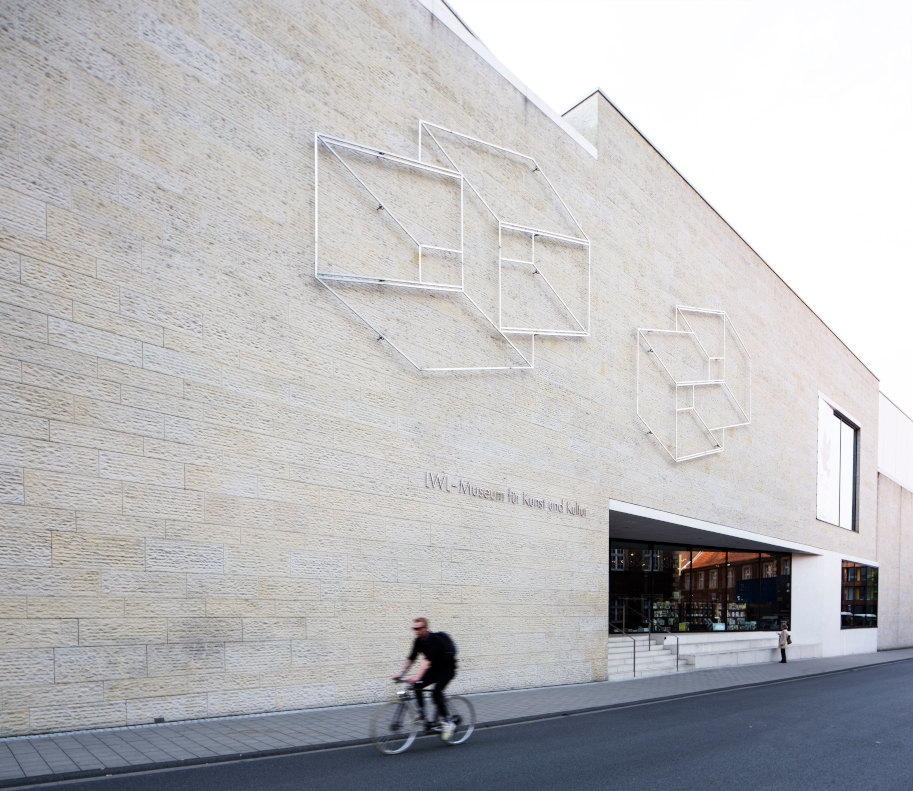
The LWL Museum of Art and Culture is a cultural giant surrounded by cultural giants: Located in the heart of Münster’s beautiful Old Town, in the immediate vicinity of the Prinzipalmarkt with its characteristic gabled houses and arcades, the historic City Hall—the site of the Peace of Westphalia—and the famous 13th-century St. Paul’s Cathedral, it is home to Westphalia’s most important art collection.
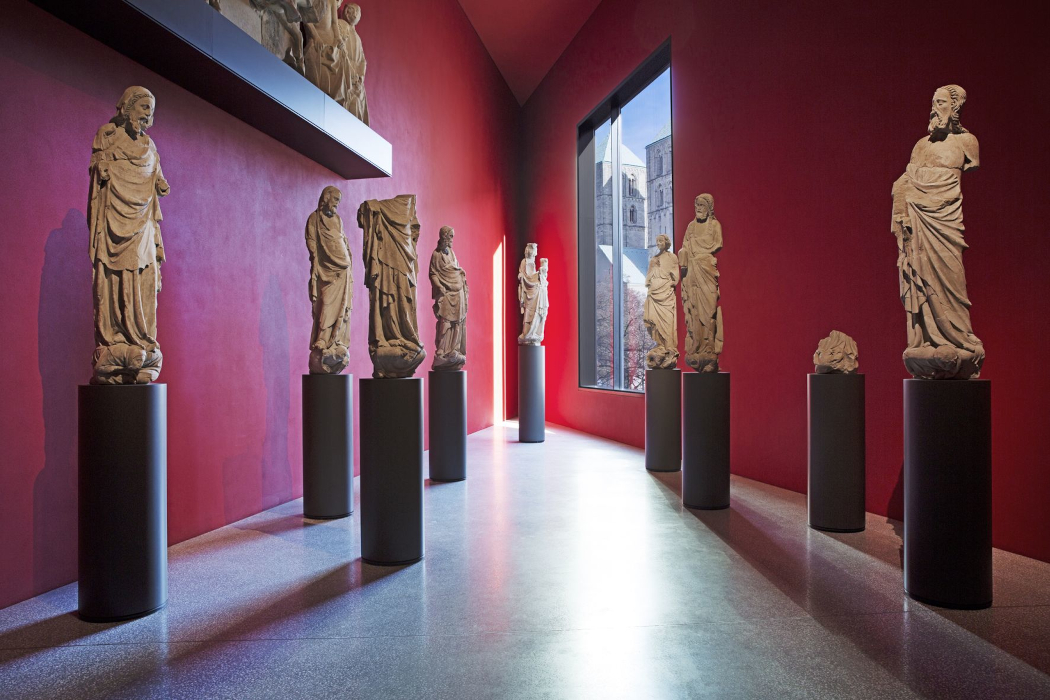
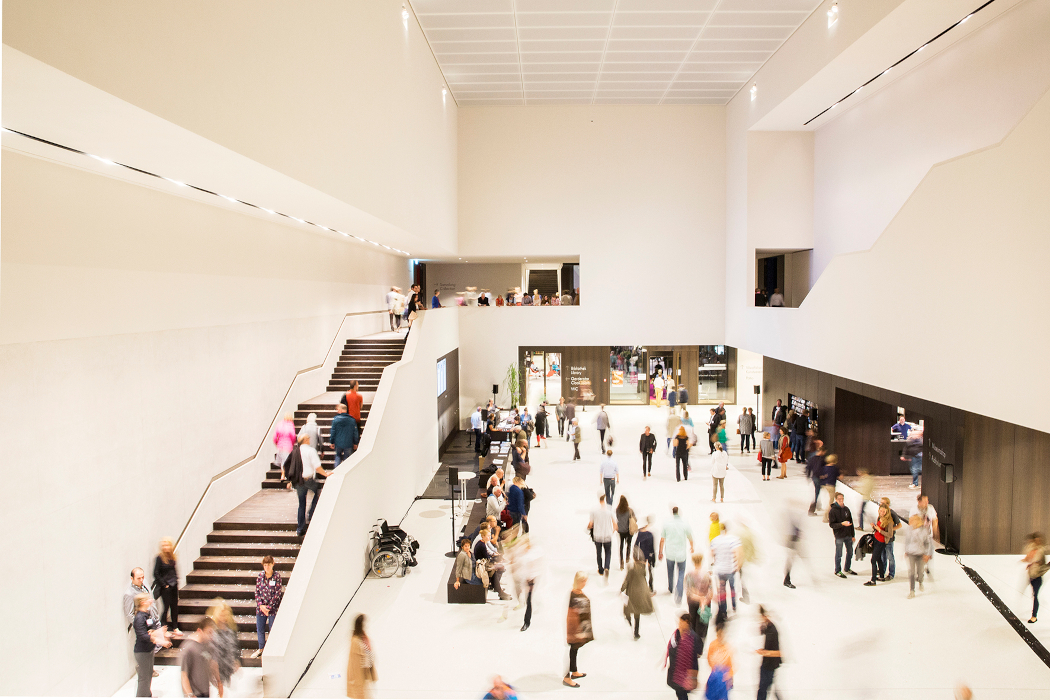
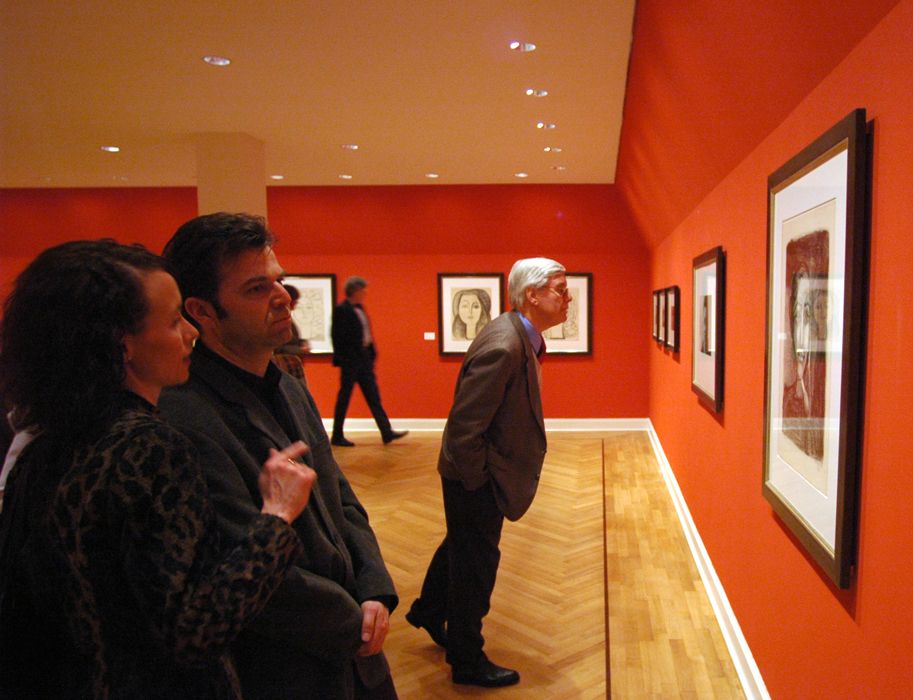
The museum’s collection comprises 350,000 objects and, across 7,500 square meters of exhibition space, is dedicated to a total of 1,000 years of Western art and cultural history. In light-filled rooms, visitors explore medieval sacred art through images of saints, Passion figures, liturgical vestments, and panel paintings. They lose themselves entirely in the art of the Renaissance and the Baroque as they stroll through the spacious exhibition halls, admiring paintings, prints, and sculptures by Westphalian and Dutch masters.
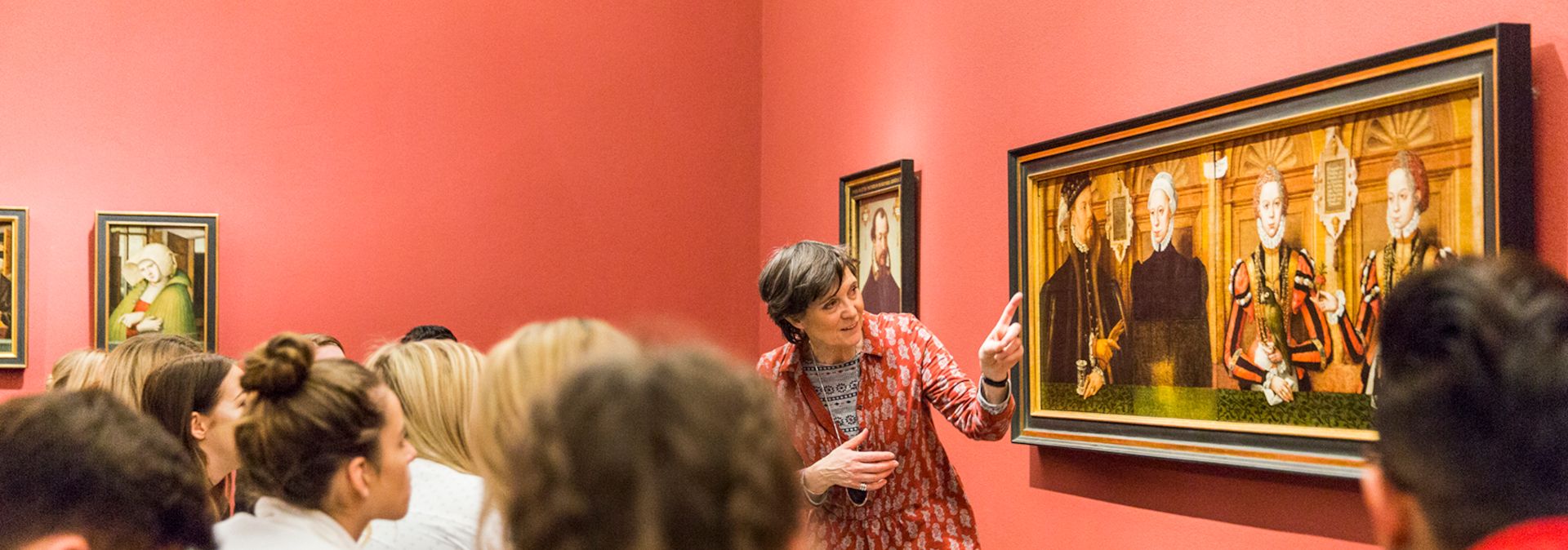
A highlight in this context is the collection of paintings by the Münster-based tom Ring family of painters, whose largest body of work in the world is housed at the LWL Museum. Following the iconoclasm of the Reformation in the 16th century—the confiscation, defacement, and destruction of depictions of Christ and other images of saints—the family was busy refurnishing churches and bourgeois parlors. Today, museum visitors can see, above all in the self-portraits of the painter family, the class consciousness of the early bourgeoisie and a generation of artists striving for autonomy.
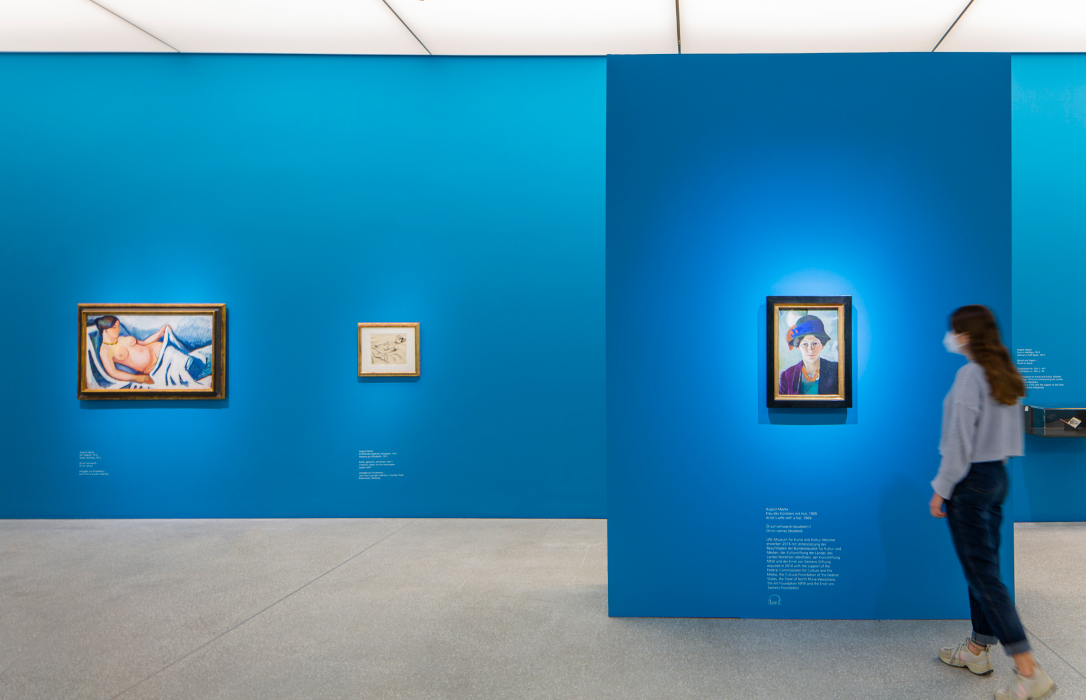
But the art of Classical Modernism and the contemporary era is also well represented in the museum’s collection, which has been headquartered on Münster’s Domplatz since 1908. The former “State Museum for the Province of Westphalia,” which has been known as the LWL Museum of Art and Culture since 2013, features works by the Rhineland Expressionist August Macke and the Westphalian Expressionists Wilhelm Morgner and Peter August Böckstiegel for fans of striking forms and bold colors. It honors groups such as Die Brücke and Der Blaue Reiter, and introduces movements such as “New Objectivity” through painters like Otto Dix and Georg Scholz. Art from after 1945 is celebrated with works by Emil Schumacher and Blinky Palermo. Of course, Düsseldorf’s Zero Art—with its “creative hour zero,” the influence of light, and purist aesthetics—is also a must-see.
International Outdoor Exhibition
Travelers on a cultural exploration of Münster should definitely keep an eye out for sculptures in public spaces after visiting a museum. Remnants of the so-called Skulptur Projekte Münster can still be found throughout nearly the entire city. The LWL Museum of Art and Culture has co-organized this international open-air exhibition every ten years since 1977. For the show, artists from around the world create works specifically designed for locations of their own choosing. Many of the resulting works are on permanent display and have become established as major attractions in the cityscape.