Düsseldorf was already punk when other places were still celebrating the disco era with ABBA, the Bee Gees, and Boney M. In the late 1970s, a cultural melting pot of music, art, fashion, and a subversive do-it-yourself spirit emerged around Ratinger Straße, the Academy of Fine Arts, and the legendary Ratinger Hof. Bands like Mittagspause, Fehlfarben, DAF, Male, KFC, Östro 430, Der Plan, and later Die Toten Hosen turned the city into a cradle of German punk and electronic music.
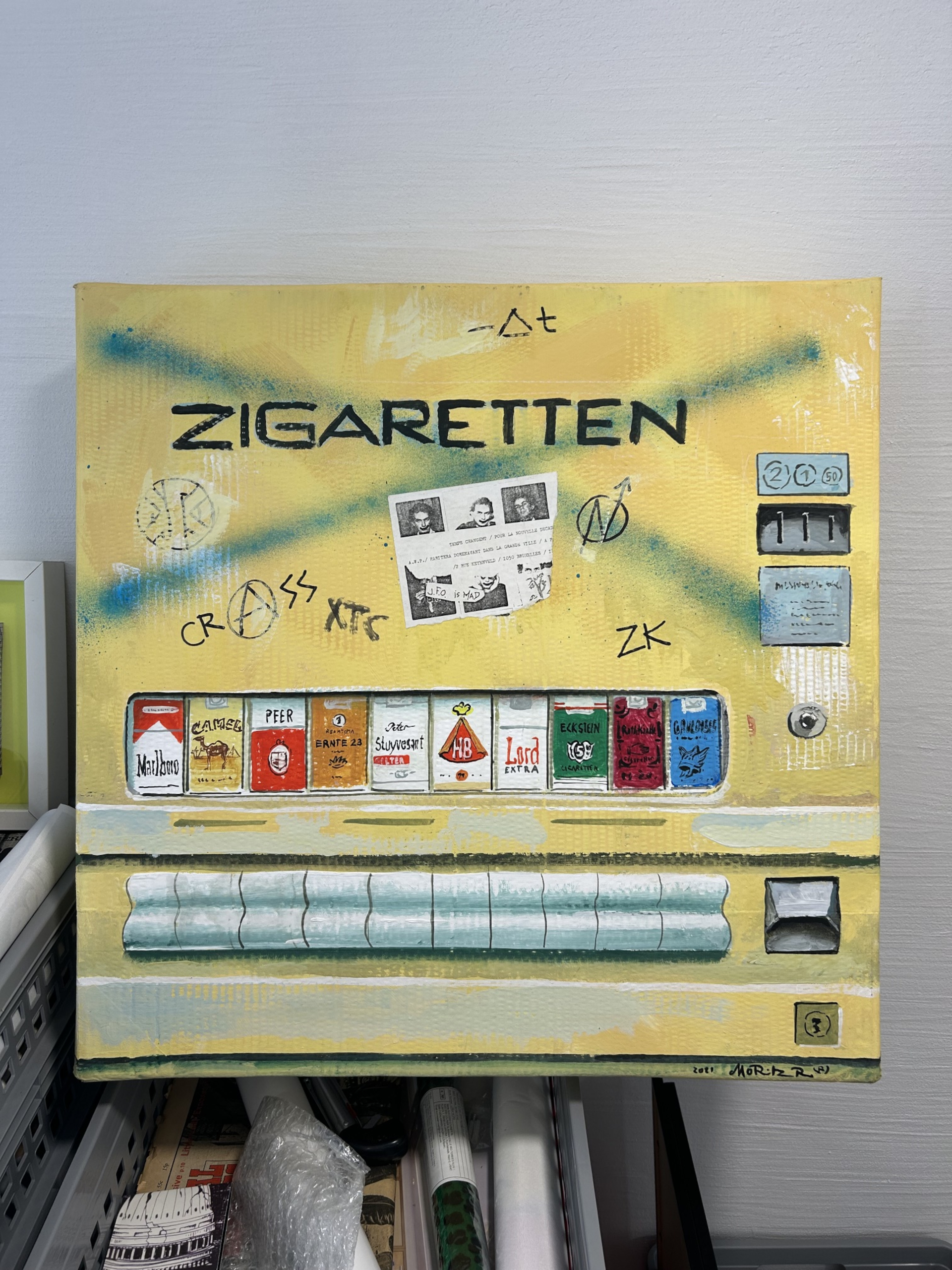
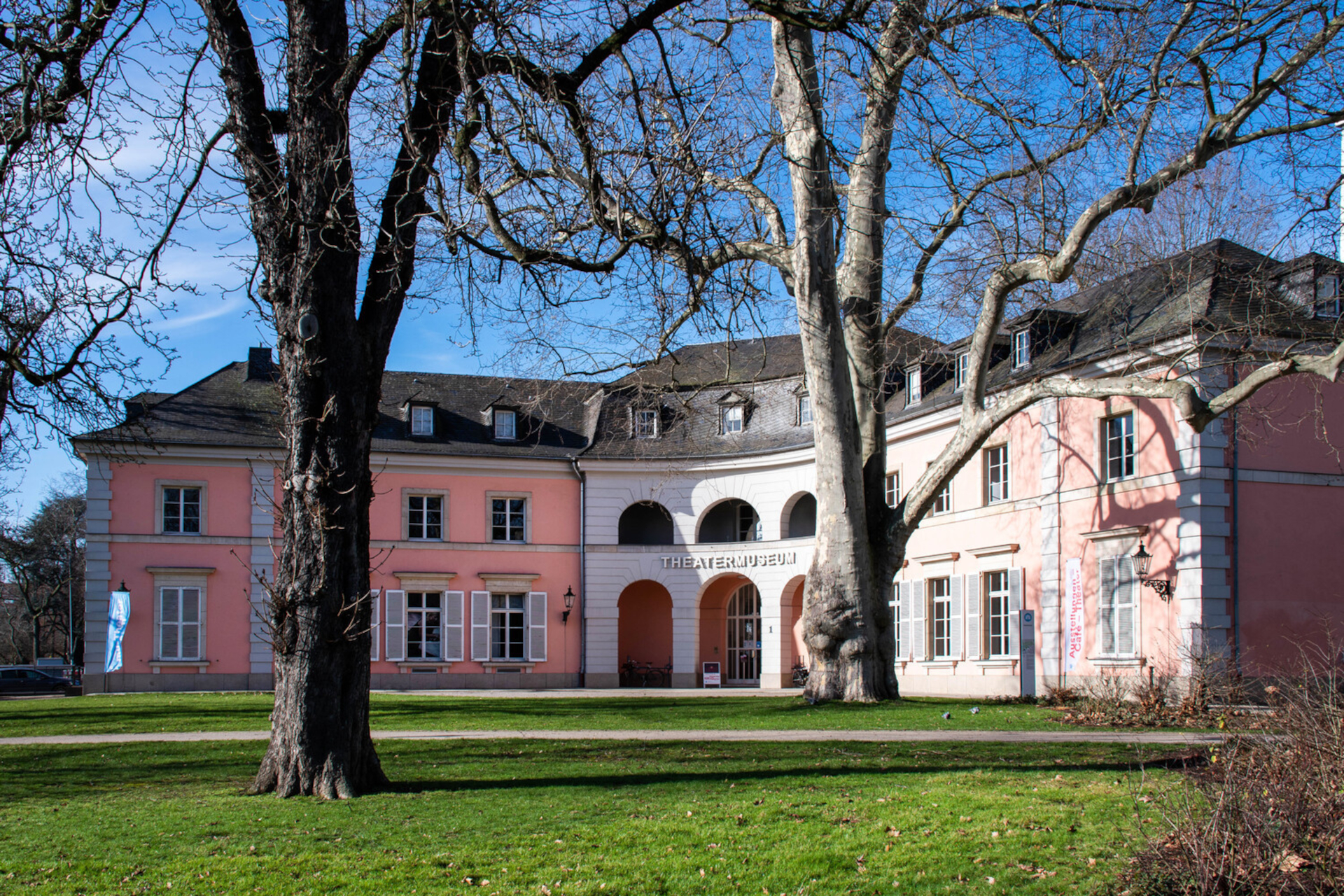
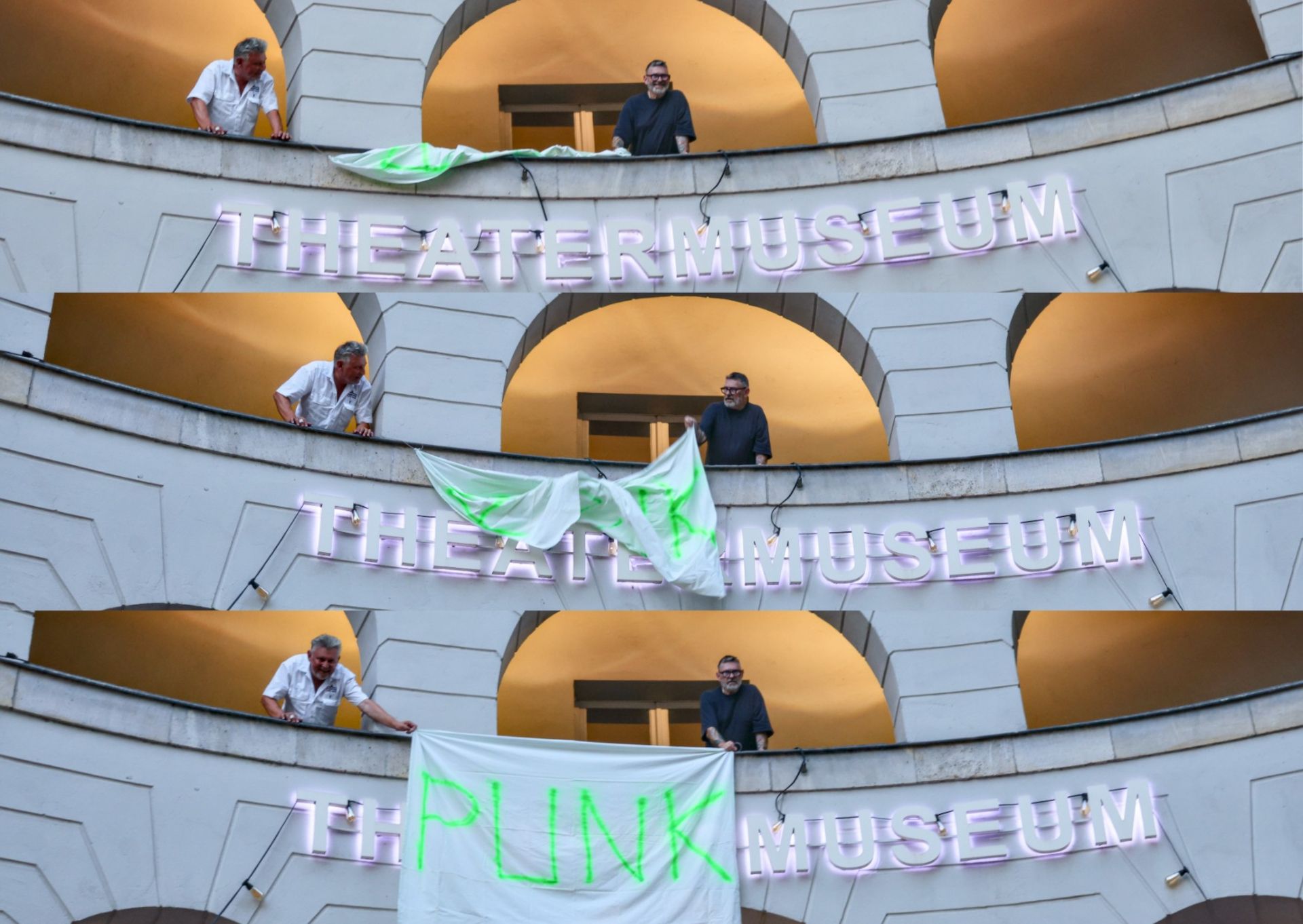
On October 22, 2026, this history will find a permanent home: that’s when the new PunkMuseumDUS will open at the Theatermuseum Düsseldorf. Titled “Be Realistic: Demand The Impossible! 50 Years of Punk,” the museum’s first exhibition—spanning more than 500 square meters and featuring over 400 exhibits—traces the movement’s development from its origins in New York and London to the scenes in Düsseldorf, Hamburg, and Berlin. Three sections of the exhibition explore the conditions that led to the birth of punk, as well as the places, sounds, cultural impacts, and subgenres associated with it. On display are historical artifacts such as audio recordings, photographs, posters, fanzines, instruments, clothing, album covers, and handwritten documents—including notes by Joe Strummer (The Clash), an early Sex Pistols poster, and the Ramones’ “Gabba Gabba Hey” sign.
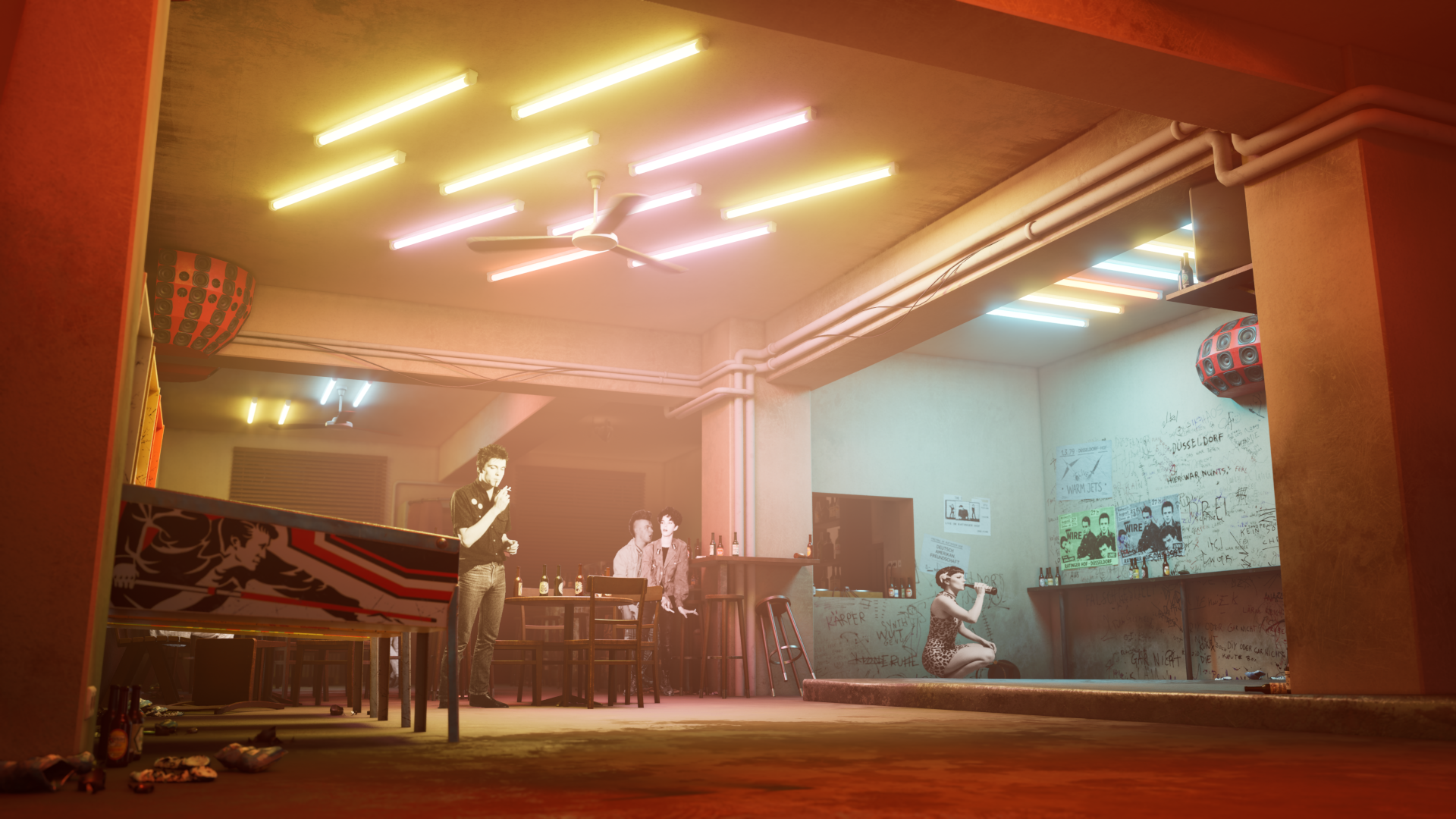
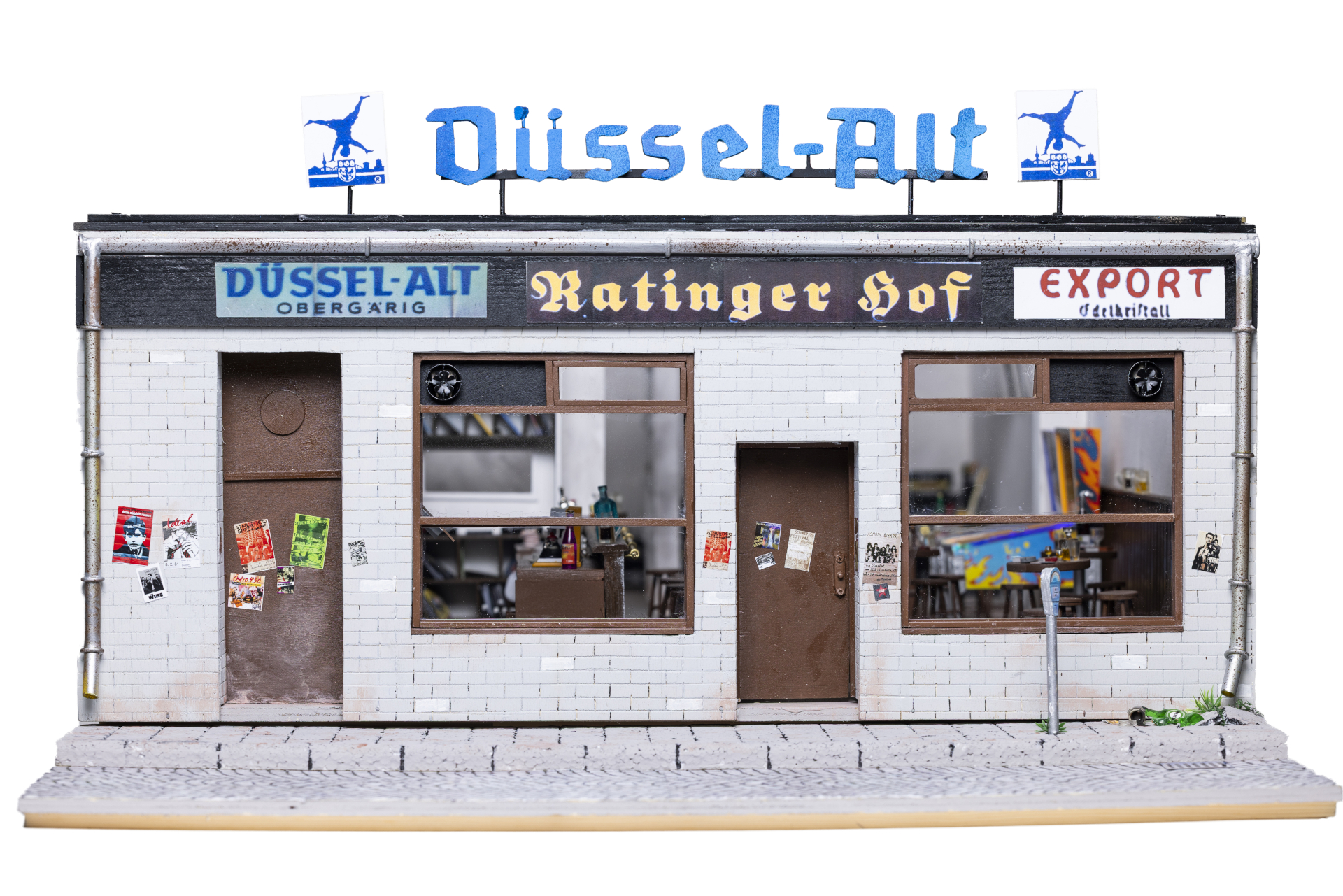
At the heart of the Punk Museum Düsseldorf is the Ratinger Hof, the very club where art students, advertising professionals, models, musicians, and night owls gathered, and where international bands like UK Subs and The Vibrators crossed paths with local groups. The venue’s original door sign is part of the exhibition, as is a detailed model of the club and a virtual reality experience that takes visitors back to the dance floor, the bar, and in front of the stage. In this way, the museum doesn’t merely display punk behind glass, but explores its significance for the present: as an attitude, a form of cultural self-empowerment, and a movement that created its own music, magazines, fashion, and imagery with limited resources.