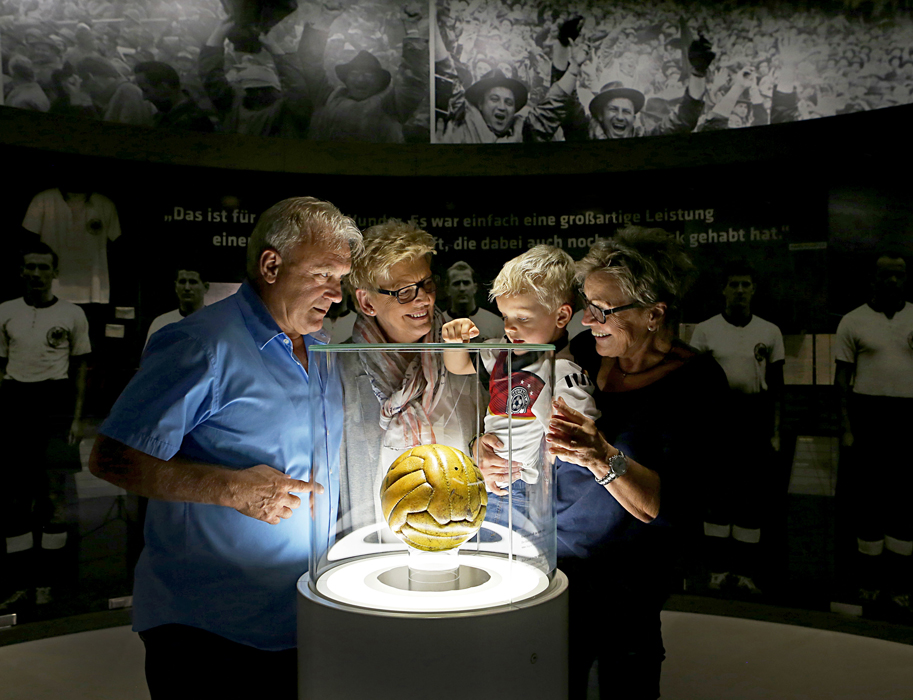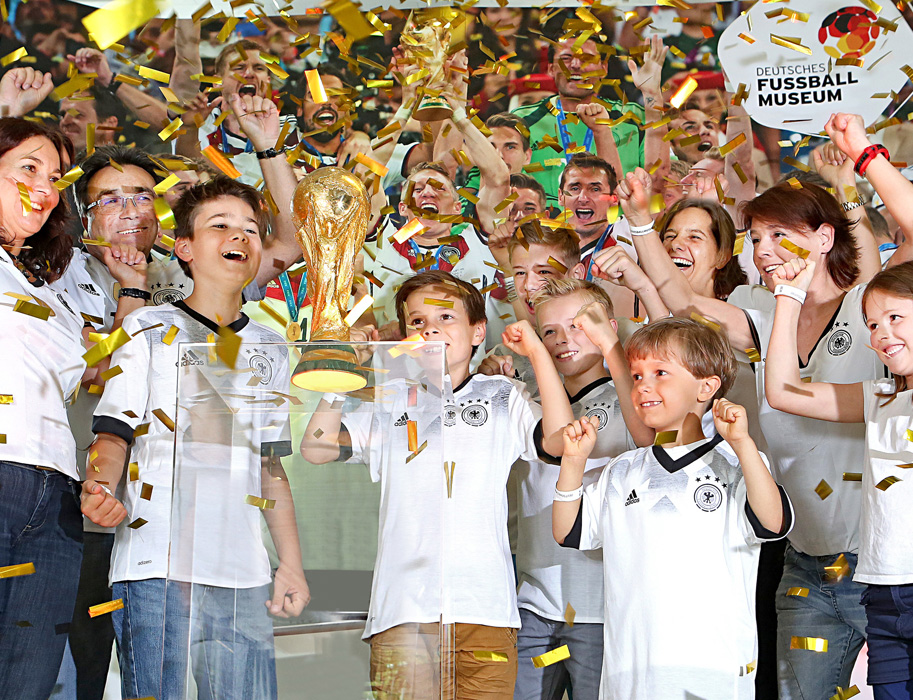
Whenever the lights in the room go out and the big screens light up, that goosebump-inducing feeling sets in. “Rahn takes a shot,” “Özil scores the goal,” or “Müller spins on his own axis and…”—the monitors show magical moments amid massive celebrations that make it clear why soccer needs a museum.
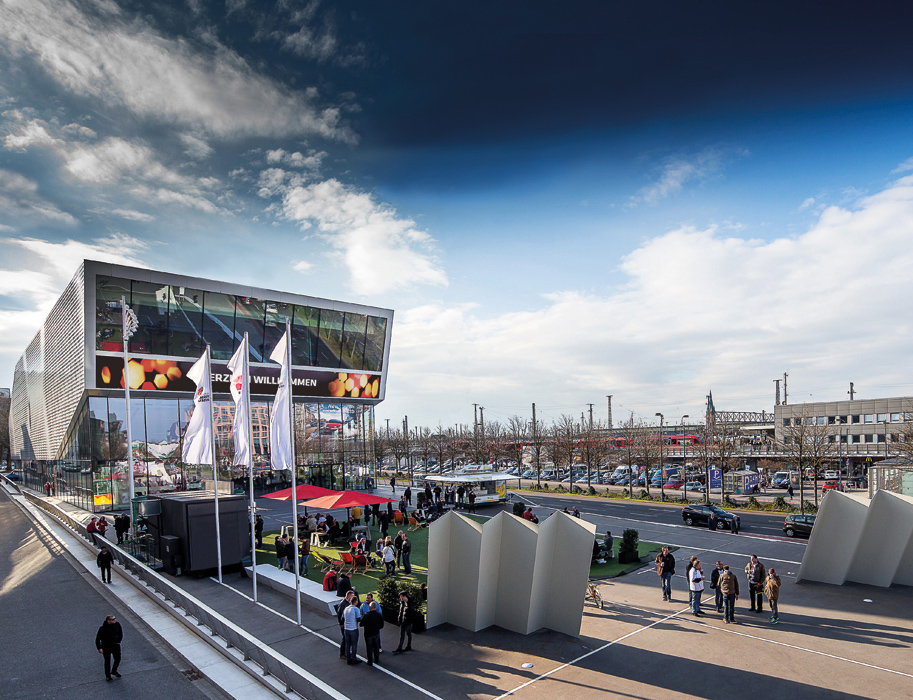
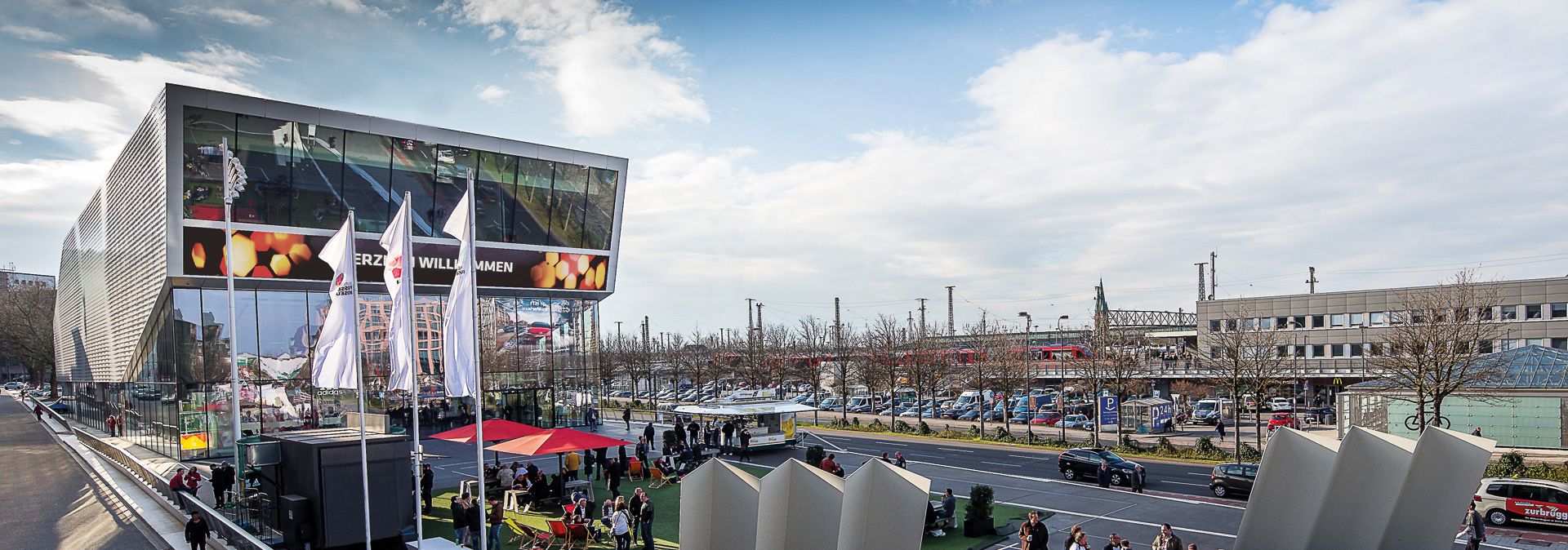
It’s been in Dortmund since 2015, no more than about an hour away from five Bundesliga stadiums. Here, right next to the main train station, even fans of Schalke, Cologne, or the record champions venture inside. It attracts 200,000 visitors a year, with the highest attendance on BVB home game days, when visiting fans are in town. The museum isn’t divided into floors, but into halves.
Divided into the first and second halves
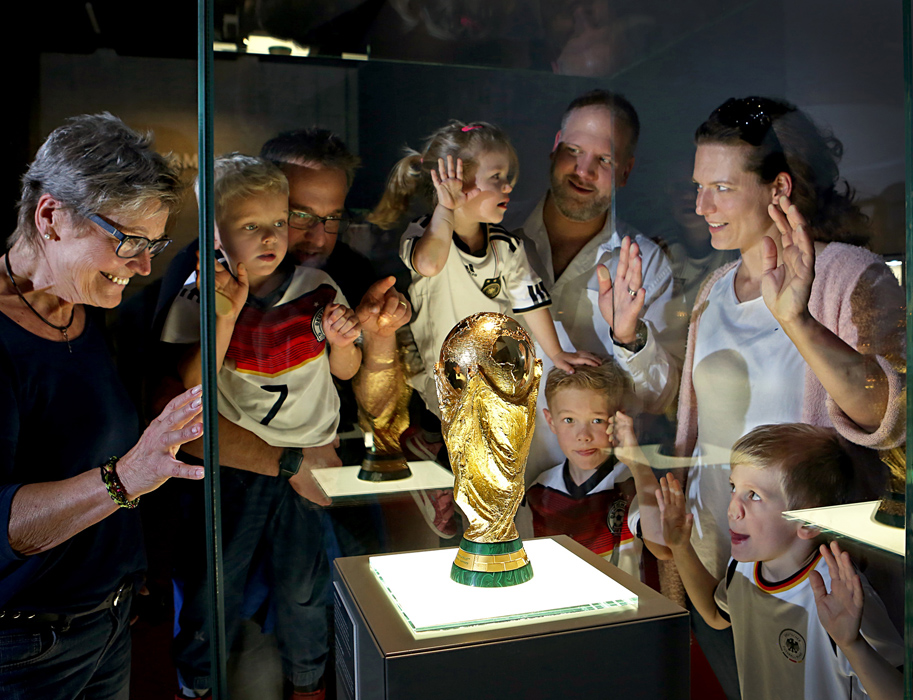
The first is dedicated to the national team—its victories, its defeats, its history. But that’s just the tip of the iceberg. The museum shows much more—such as how Jewish players were treated during the Nazi era. It describes the political dimensions of international matches, such as the inter-German World Cup game that Sparwasser decided in favor of the East German team. Or it commemorates the player Lutz Eigendorf. His fatal car accident, which appears in Stasi documents, remains a mystery. Of course, the exhibition also shines in many places, thanks to the stars on the jerseys, the imperial aura of the Beckenbauer display cases, and the many victory trophies. Incidentally, the trophies of the women’s national team take up more exhibition space than those of their male counterparts.
The second half is devoted to team colors, fan culture, reporters’ voices, and other memorabilia—such as Christoph Daum’s balloon-silk coach’s jacket, which once became the subject of a theft. Overall, it’s also a kind of cultural history that the museum presents in many facets—and in a very entertaining way. So it comes as no surprise to the exhibition curators when it’s not the stereotypical male fan wearing a scarf in his team’s colors who walks through the doors, but rather a well-mixed crowd. Visitors can even experience the professionals’ skills firsthand: for example, in the reclining pose of Klaus Fischer during his “goal of the century.”
After the end of the second half, there’s still extra time—the playing field on the ground floor. Here, it’s no longer about soccer history, immortal heroes, or sports politics: here, the ball simply has to go into the goal.