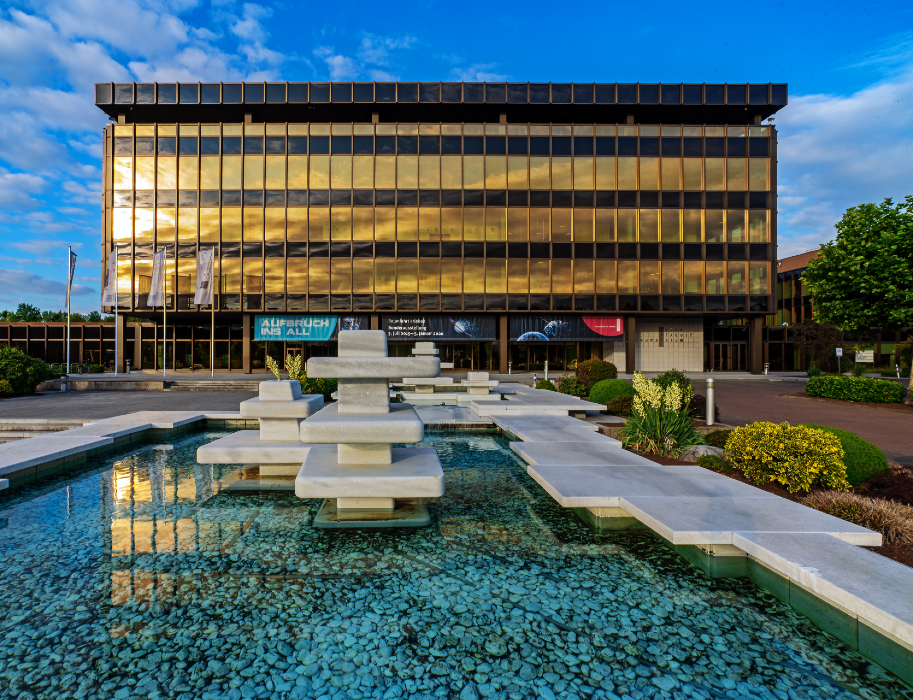
The world’s largest computer museum is located not in California’s Silicon Valley, but in Paderborn, Westphalia. And there’s a reason for that: It was established between 1992 and 1996 by a team of experts on the premises of the former headquarters of Nixdorf Computer AG, one of the most significant and influential companies in the European computer market at the time.
Typewriters and Computer Games
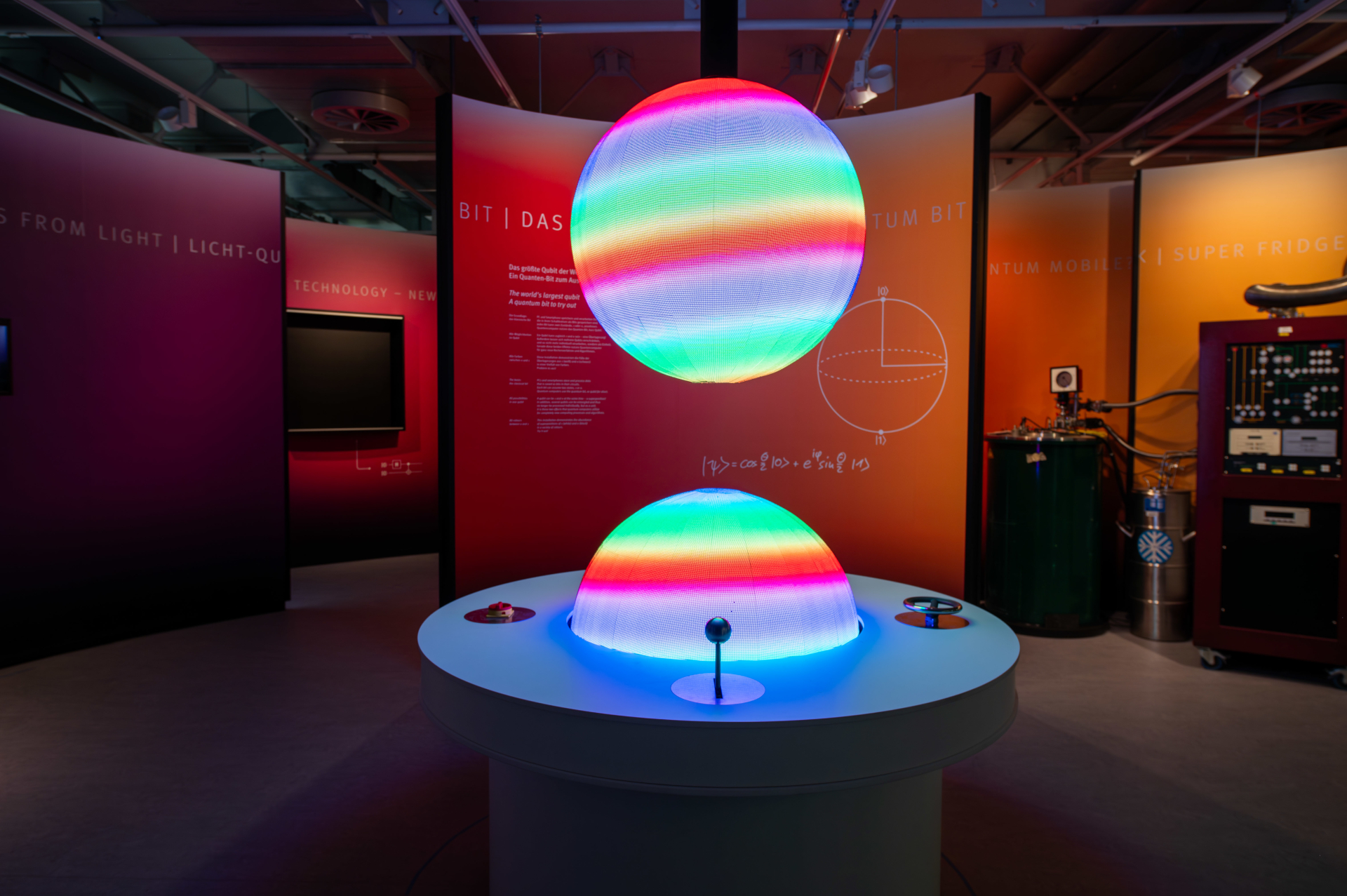
The museum’s permanent exhibition spans 5,000 years of the past, present, and future of information technology, from cuneiform script to calculators and typewriters to the Internet and robotics. The entire tour of the museum is designed as a multimedia journey through time. Typewriters and calculating machines are on display, as are punch-card systems, components from the first computers, over 700 pocket calculators, and the first PCs. The newest exhibition area is dedicated to digital photography, which is presented from its beginnings in the 1980s to the present day.
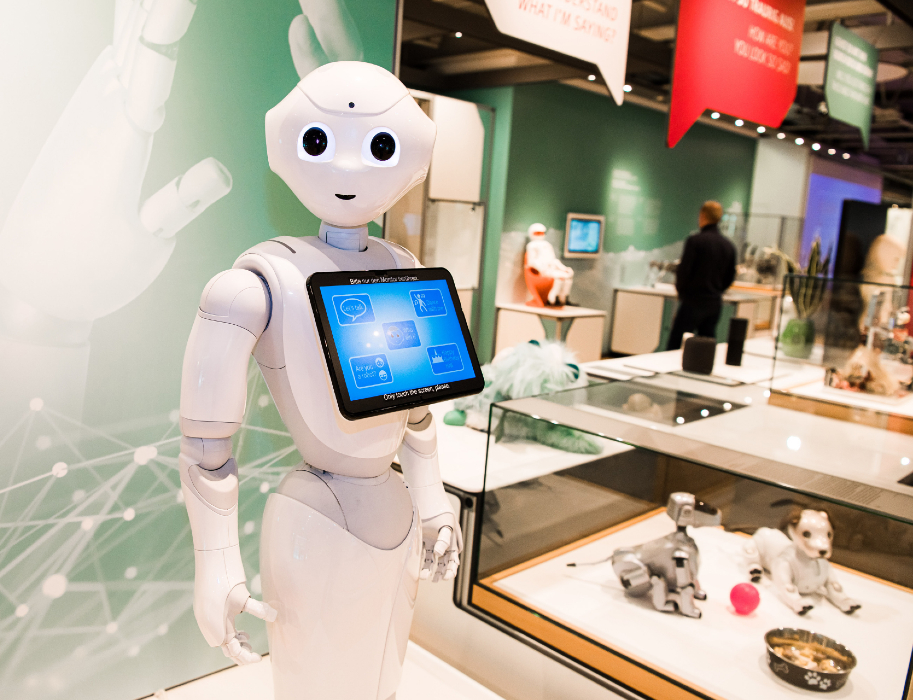
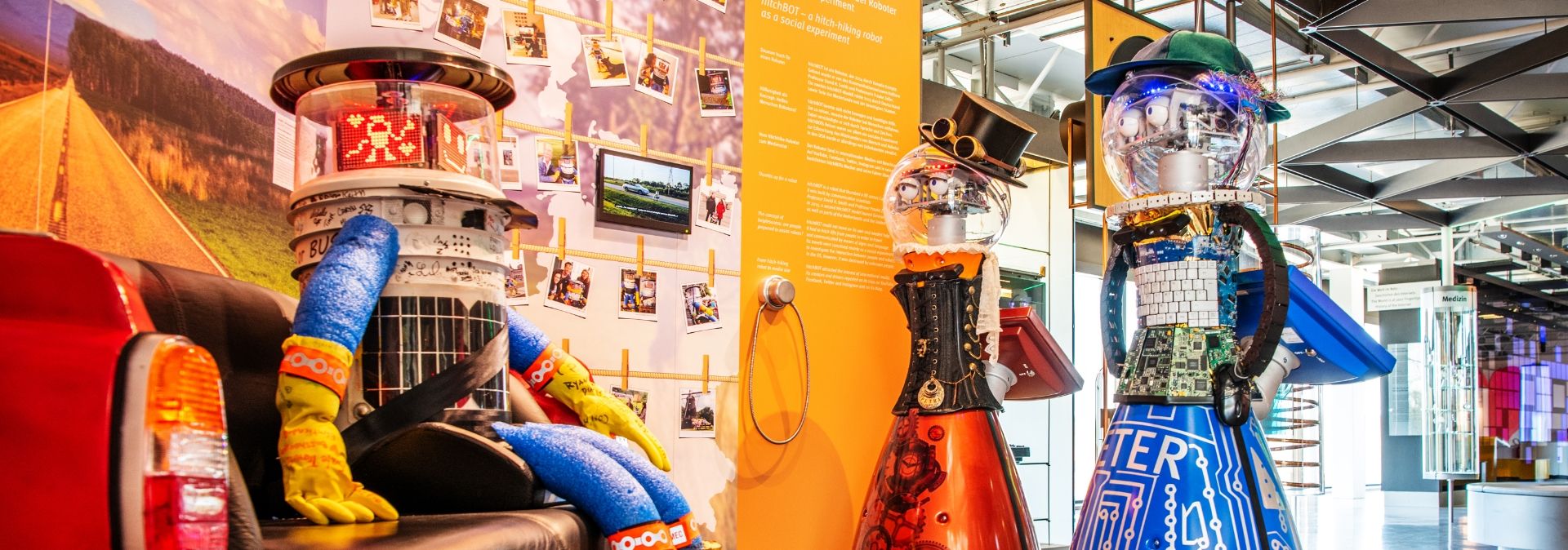
Hands-on interaction and experimentation are at the heart of this interactive museum. Visitors can use old-fashioned telephones, try out both new and historic computer games, or chat with the virtual character Max. Those who wish can play Pong and Pac-Man again or let the robots PETER and PETRA guide them through selected exhibition areas. Highlights include components of the first room-sized electronic computer, ENIAC; the onboard computer of the Gemini spacecraft; the legendary Apple 1; and the sweeping robot Beppo.
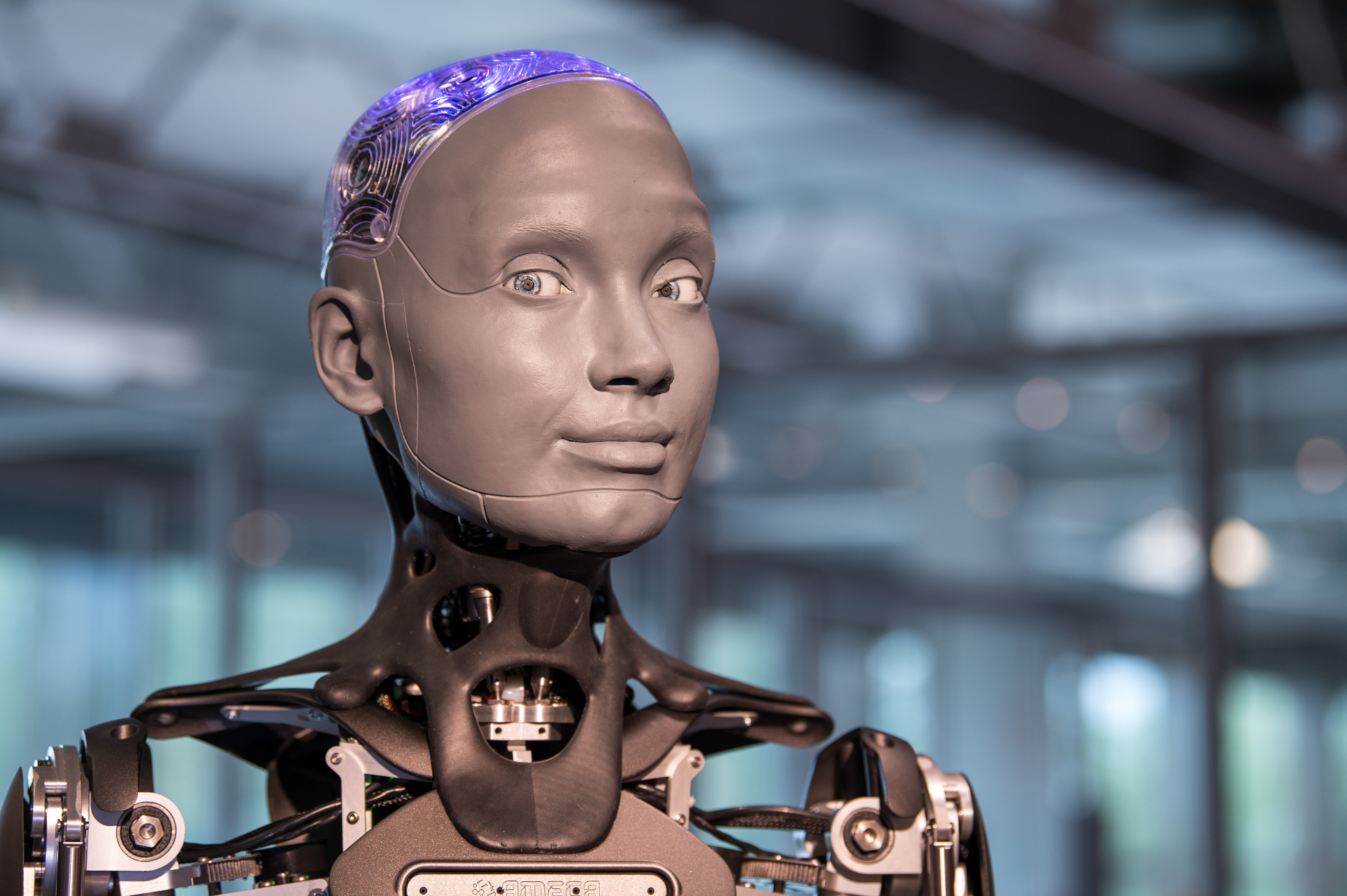
In the section on artificial intelligence (AI) and robotics, the machines—some of which appear human-like—are examined in greater detail. How do robots move? What do they see? Can they think and feel? The principle of programming is illustrated particularly vividly in the CodeLab through a “ballet” of 49 waving cats that can be set in motion with just a few simple commands.
The Smart World section vividly demonstrates how the internet and sensors are already shaping our everyday lives. In a way that’s as informative as it is playful, it explores connected mobility, the workplace of tomorrow, the blurring of real and digital reality, and the self-obsessed individual.