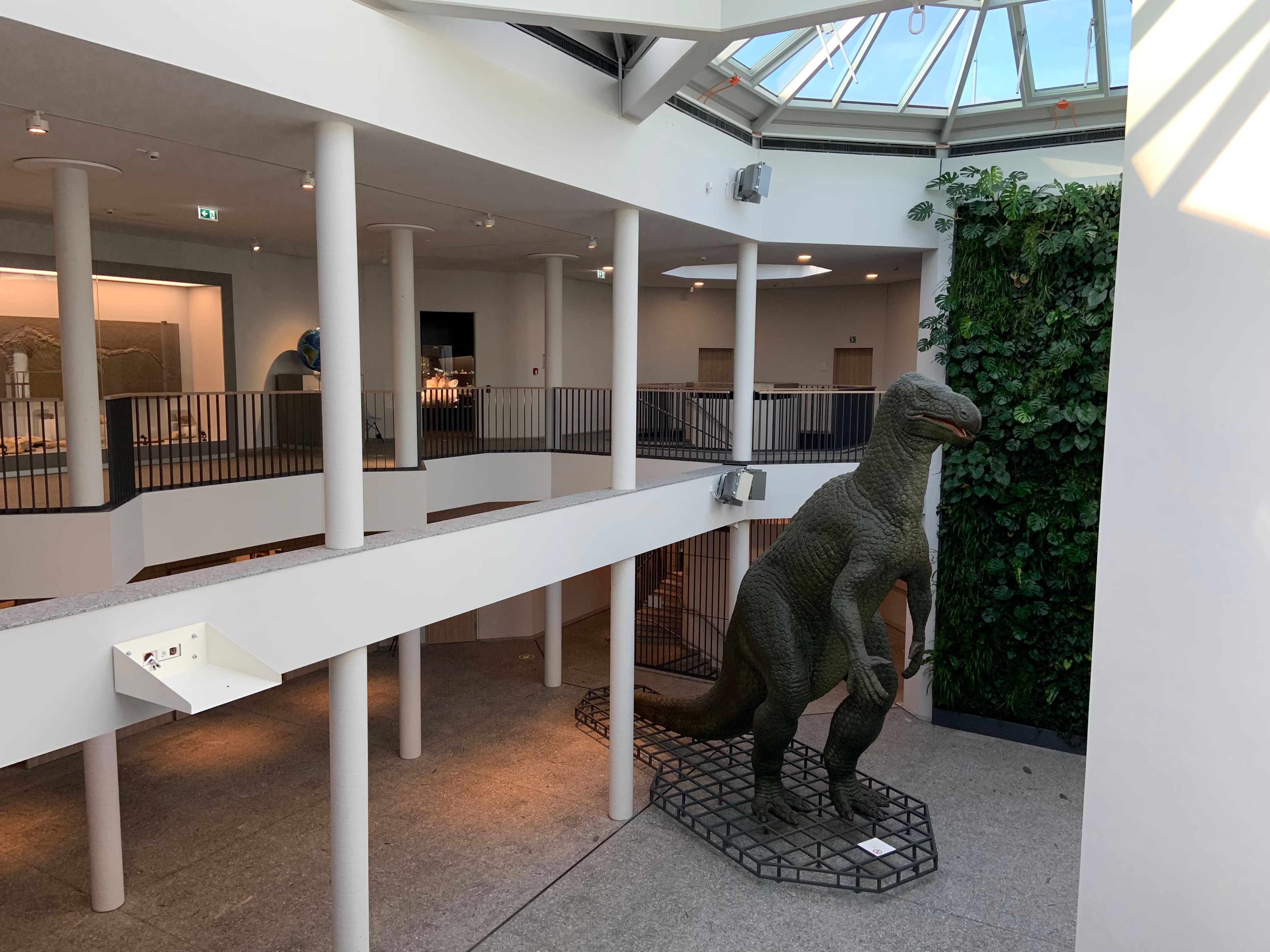
Following extensive renovations, in which inclusion and accessibility were key priorities, the Dortmund Natural History Museum has been given a fresh new look. Located directly next to Fredenbaumpark in northern Dortmund, it houses a collection of biological specimens, fossils, and minerals, primarily from the Ruhr region and Westphalia.
Spanning two floors, the new permanent exhibition showcases local nature—both in the present and throughout geological history. In addition to many original objects, the exhibition features interactive displays, dioramas, and multimedia stations, with a focus on discovery, hands-on participation, and sensory experiences.
In the biology exhibition, visitors can embark on a journey from downtown Dortmund through the outskirts of the city to the Ruhr River and the reservoirs of the Sauerland. Along the way, they immerse themselves in the various habitats with their animals and plants. The exhibition features several aquariums, including a large circular tank with a circumference of 21 meters, a height of three meters, and a capacity of approximately 90,000 liters of water, where visitors can marvel at the local fish fauna up close.
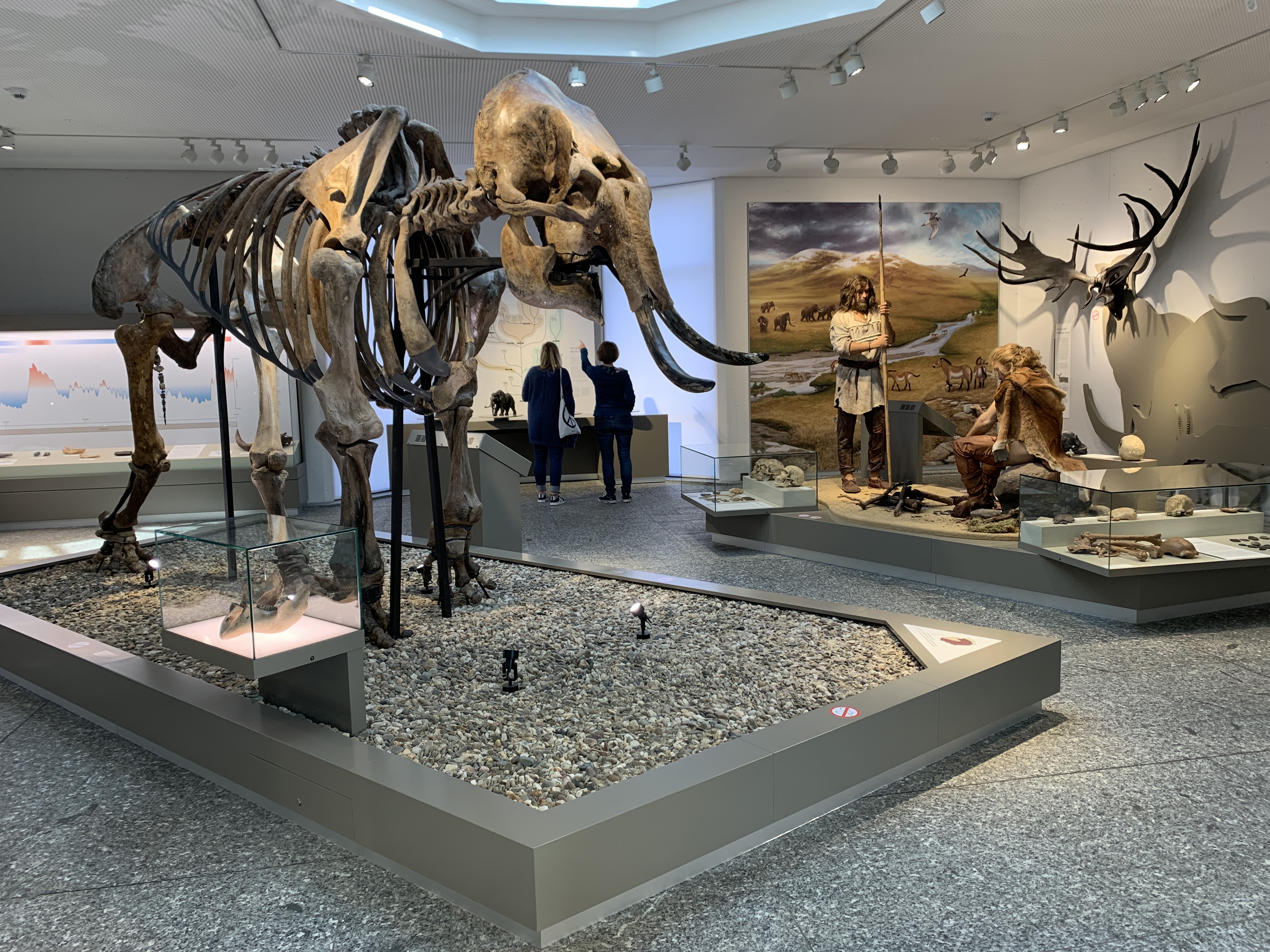
The geological exhibition brings long-gone eras to life. It takes visitors through various periods of Earth’s history: from the last Ice Age through the age of the dinosaurs and the Carboniferous Period—when coal was formed—all the way to the origins of our solar system. A special highlight is the only fully assembled skeleton of a woolly mammoth cow in all of Germany. The mineral collection showcases the diverse world of minerals in all their shapes and colors.
The permanent exhibition is complemented by a variety of special exhibitions on the themes of nature and Earth’s history. The new museum café, “Café Kreidezeit,” offers a relaxing way to round out your museum visit.