Dalheim Abbey is now home to a museum of monastic cultural history that is unique in Germany. It is surrounded by greenery
Teutoburger Wald Tourismus / D. Ketz, Dominik Ketz, Today, Dalheim Abbey is home to a museum of monastic cultural history that is unique in Germany. It is situated in the heart of the countryside

Dalheim Abbey

Lichtenau

The history of Dalheim Abbey goes back a long way. As early as around 800, there is said to have been a small village church here on the western edge of the Egge Mountains. A reconstruction initially served as the monastery church for a convent of nuns before the Augustinian Canons settled in Dalheim in the mid-15th century and turned the monastery into the spiritual and economic center of the southern Paderborn region. Today, the almost completely preserved complex houses the only state museum for monastic cultural history in Germany.

Ora et labora—pray and work. Life in the monastery has always been characterized by self-denial and silence. Or so one might think. But visitors to the monastery complex in Dalheim will be surprised. As they walk through the award-winning permanent exhibition, they will discover that music and theater, food and drink, significant art treasures, as well as architecture, book art, and garden design all had—and still have—their place in the monks’ lives.

Dalheim Monastery impressively presents its own eventful history, which reached its peak during the Baroque period. Even today, the stately courtyard, spacious outbuildings, and magnificent gardens define the appearance of the complex, which is nestled in a landscape of dense forests and vast fields. In the apse of the monastery church, a ceiling painting dating back to the time of the monastery’s construction around 1470–80 was uncovered. Visitors can marvel at it in the late-Gothic core of the complex.

In eleven rooms surrounding the historic cloister—from the church to the storeroom—exhibition visitors can get a sense of everyday life in the monastery. Modern displays bring history into the present and shed light on the cultural context of life behind the monastery walls. Which, incidentally, did not take place solely behind closed doors. The Dalheim monastery gardens cover a good quarter of the 7.5-hectare grounds and bear witness to the broad spectrum of monastic horticultural art in both the Middle Ages and the Baroque period. The abundance of ornamental, edible, and medicinal plants still delights visitors today as they stroll through the terraced convent garden or the prior’s ceremonial garden. The monastery complex also serves as an impressive backdrop for the Dalheim Summer cultural festival, the “Sommernachtslieder” open-air festival, and Europe’s largest monastery market, where monks and nuns from around 40 abbeys, colleges, and monasteries offer their wares on the last weekend of August.

Make yourself a culture pack!

Life behind monastery walls

  • Behind the walls of the former Dalheim Monastery, the LWL State Museum for Monastery Culture, you will become part of the monastic community that lived and worked here until 1803 in an exciting production.
  • The town of Lichtenau is located on the Paderborn plateau in the south of the Teutoburg Forest/Eggegebirge Nature Park.
  • Discover the world of monasteries at Dalheim Abbey! Based on its own 800-year history of monastic culture, you will experience the fascination and everyday life of a monastery
  • On a walk through the monastery grounds with the famous Gothic cloister and the magnificent monastery gardens, you can enjoy the peace and quiet and take a moment to let this special place take effect on you. Numerous circular hiking trails also lead past Dalheim Monastery, which are generally between three and 15 kilometres long. The shortest, two-and-a-half kilometre long Chorherrenweg shows just how enclosed the monastery complex is.
  • Regional dishes are served in the inn at Dalheim Monastery. In the restaurant "Die Fabrik", every dish contains "a little piece of home".
  • Tip: In addition to the permanent exhibition "Entered! 1,700 years of monastery history", Dalheim Monastery regularly presents special exhibitions.
  • The monastery shop in the historic orangery stocks a large selection of monastic products. The selection ranges from Helf-Dir-Gott tea to high-proof spirits and organic food. So be sure to stop by.
  • Excursion tip: Discover the approximately 6-kilometre-long Kaleidoscope Trail around Bad Driburg, which recalls the region's old glass-blowing tradition and offers new perspectives on this beautiful hiking region.
  • Overnight tip: Hotel ten Hoopen with the Deele restaurant or wellness and relaxation at the Gräflicher Park Health & Balance Resort in Bad Driburg.

Important information at a glance

  • Tuesdays to Sundays 10 a.m. to 6 p.m.
    closed on Mondays, except on public holidays
    open all year round, except December 24, 25 and 31

    Closed today
    Tuesday 10:00 - 18:00
    Wednesday 10:00 - 18:00
    Thursday 10:00 - 18:00
    Friday 10:00 - 18:00
    Saturday 10:00 - 18:00
    Sunday 10:00 - 18:00

Good to know

More information

  • Contact

    Stiftung Kloster Dalheim | LWL Landesmuseum für Klosterkultur

    Am Kloster 9 33165 Lichtenau

    +49 5292 93190

    Email

    Website

And what else?

This could also be interesting

  • To Page Hermannshöhen - Etappe 13 von Blankenrode bis Obermarsberg

    Hermannshöhen - Etappe 13 von Blankenrode bis Obermarsberg

    Lichtenau
    • Hiking
    • Long-distance hiking trail
    Open today
    The last stage of the Eggeweg leads you along paved paths through a charming landscape with wonderful views and past several small villages.


    Learn more
  • To Page Hermannshöhen - Etappe 12 von Willebadessen nach Blankenrode

    Hermannshöhen - Etappe 12 von Willebadessen nach Blankenrode

    Willebadessen
    • Hiking
    • Long-distance hiking trail
    Open today
    This stage of the Eggeweg leads through an almost deserted landscape, which has been designated a European bird sanctuary. The trail runs as a cliff path in gentle curves through the beauty of the Egge and offers fascinating views of the rugged rocky slopes and cliffs.

    Learn more
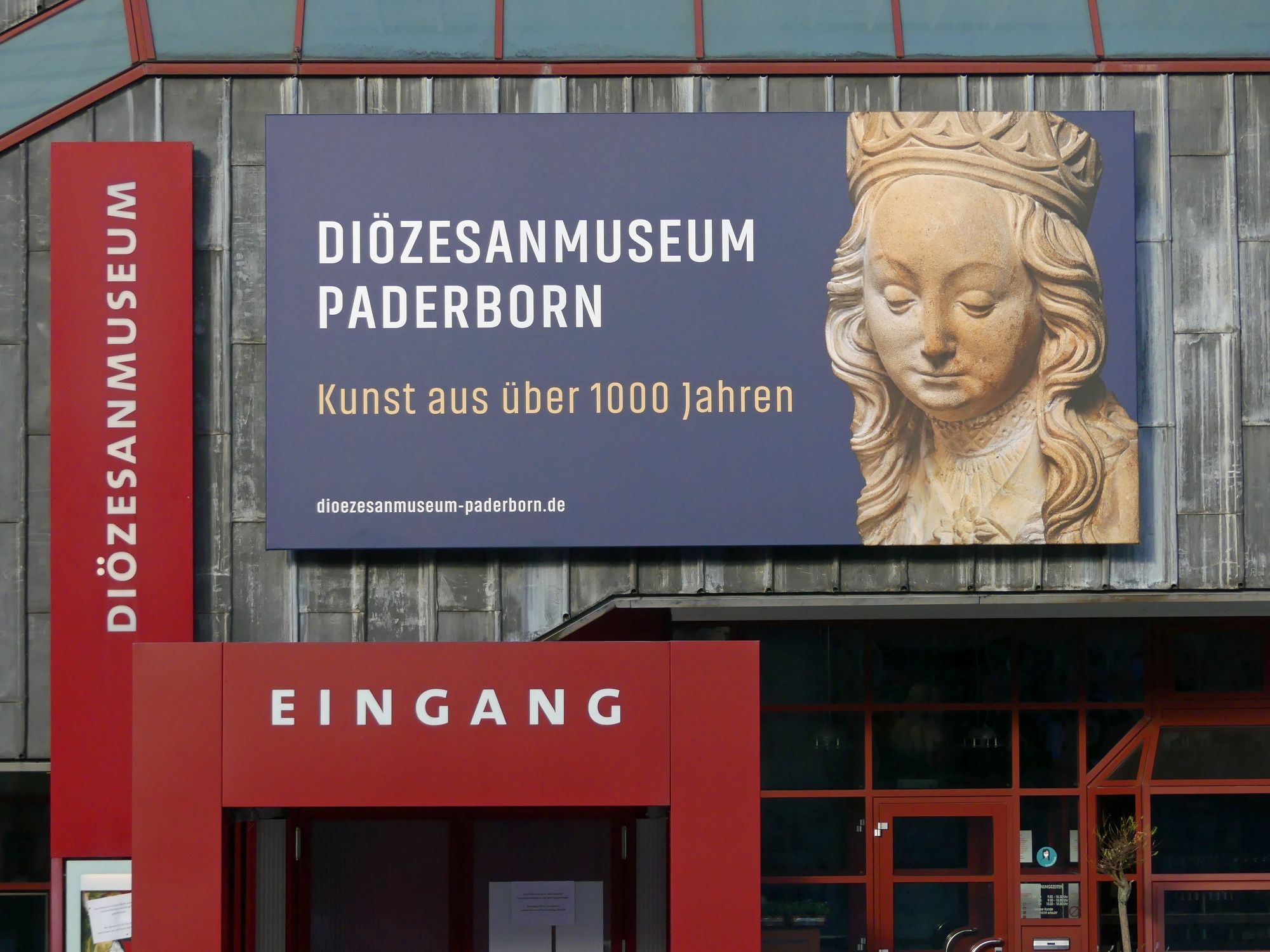
  • To Page Diocesan Museum Paderborn

    Diocesan Museum Paderborn

    Paderborn
    Since its foundation in 1853, the Diocesan Museum in Paderborn has dedicated itself entirely to the collection, preservation and conservation of these masterfully crafted treasures.
    Learn more
New tips every two months

Insider tips & excursion ideas

Newsletter

Fancy some mail? Then subscribe here to our every two months newsletter with information on special travel offers, selected short tips for short trips and other insider tips for travelling in North Rhine-Westphalia.

Click here to register