The Henrichshütte Hattingen is more than just a museum: Iron is still smelted in the demonstration foundry, and young visitors can climb around on a play blast furnace.
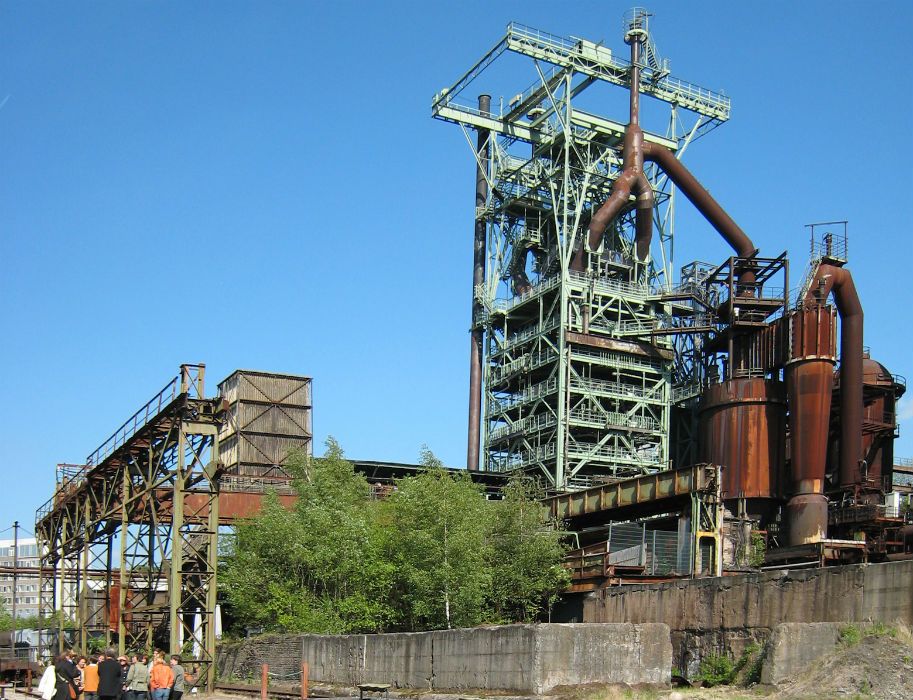
The LWL Museum at the Henrichshütte Hattingen keeps the centuries-old history of iron and steel—and with it, a large part of the Ruhr region’s history—alive. For over 150 years, iron was smelted and steel was produced in the blast furnaces and foundries of the Henrichshütte. Until 1987, 10,000 people worked on the vast industrial site, rolling, casting, and forging the metal.
On the “Path of Iron”
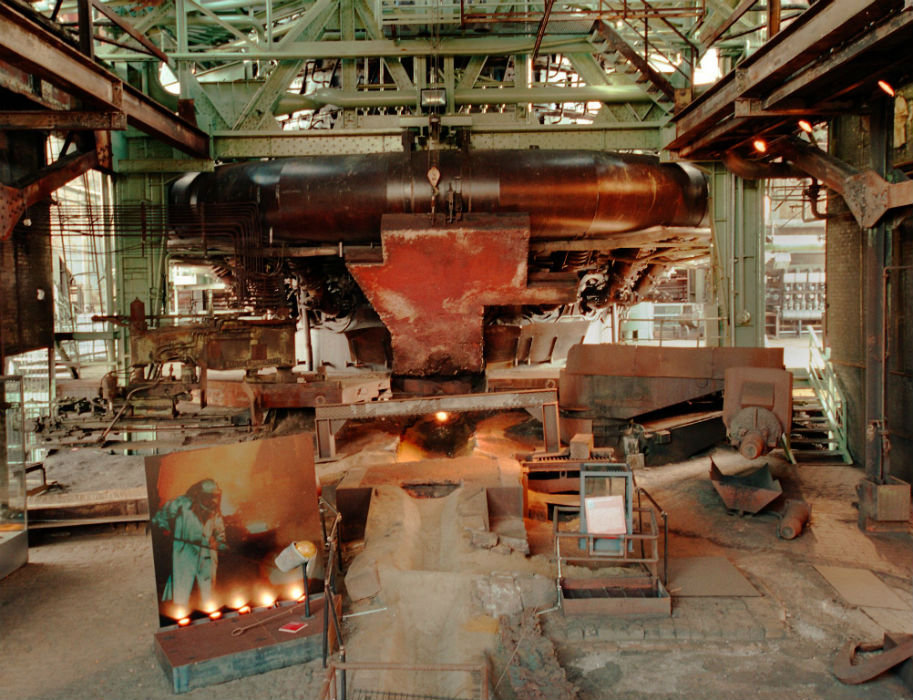
The blast furnace at the industrial complex in Hattingen is both the museum’s largest and most important exhibit: it is one of the oldest surviving examples of its kind in the Ruhr Metropolis. In the permanent exhibition “The Path of Iron,” visitors follow the flow of materials from ore, coke, and lime to molten pig iron.
The tour begins with an elevator ride up to the blast furnace and from there, step by step, down into the casting hall, where the iron—heated to 1,400 degrees—was once tapped. Through numerous photos, films, and interviews, the exhibition vividly illustrates how people used to work at the Henrichshütte and how their daily lives depended on and were shaped by their work at the steelworks.
Smelting Iron On Site
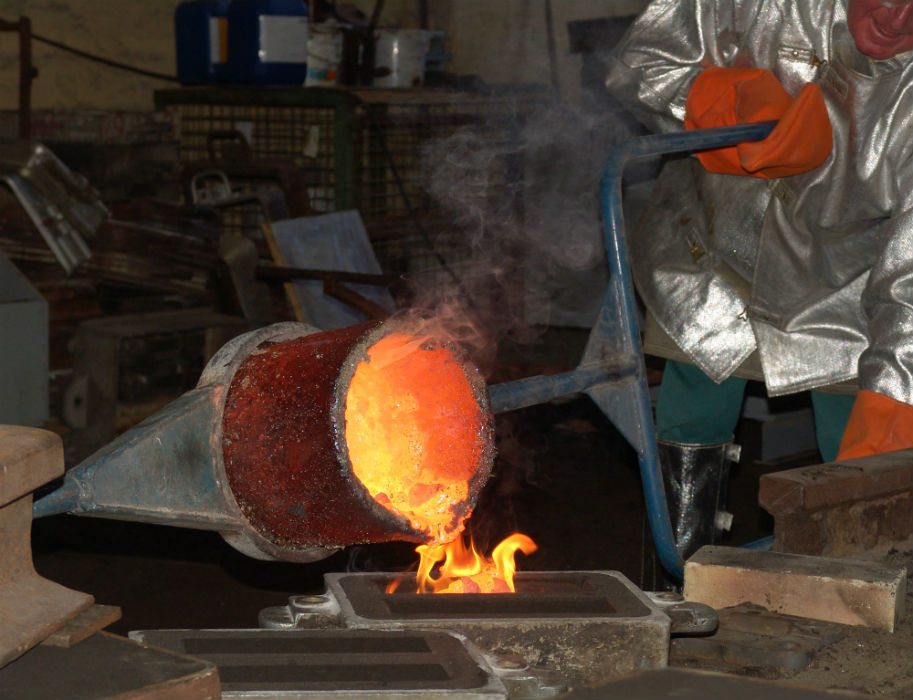
A special feature of the industrial museum is the demonstration foundry, where iron is still smelted today. This allows visitors to experience firsthand what working with the hot metal was like back then.
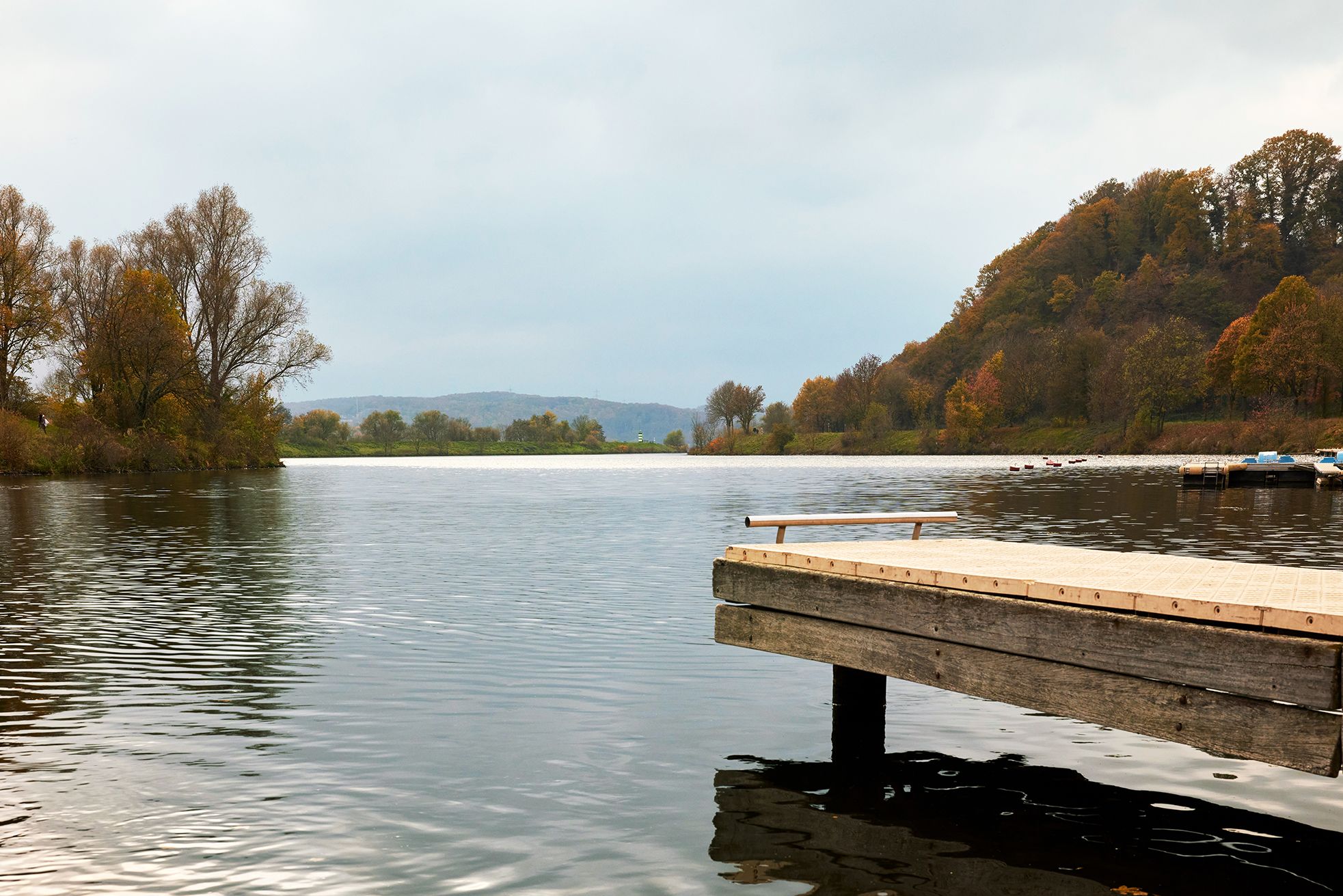
The outdoor grounds of the Henrichshütte are also worth a visit: After the Henrichshütte was shut down, nature was allowed to reclaim the space: Today, along the “Green Trail” surrounding the industrial complex, visitors can once again observe numerous rare plants and animals that were once brought to Hattingen along with raw materials from all over the world—the Eco-Workshop also provides visitors with background information on this.
A Family-Friendly Destination
For children, the LWL Museum at the Henrichshütte in Hattingen features the “Rattenweg” (Rat Trail): Here, the blue rat—the museum’s mascot—guides curious little steelmakers to many different stations where they can experiment and participate.
At the smelter playground, the play blast furnace awaits, ready for children to put their theoretical knowledge to the test in practice. A giant slide adds to the fun. Every Sunday at 2:30 p.m., the “Rat Tour,” an open children’s guided tour, takes place.
Thus, the Henrichshütte in Hattingen is not only a worthwhile destination for history buffs and those interested in industrial culture, but also a great place for families with children. The museum also features rotating special exhibitions; visitors are encouraged to check the Henrichshütte Hattingen website for the latest information.