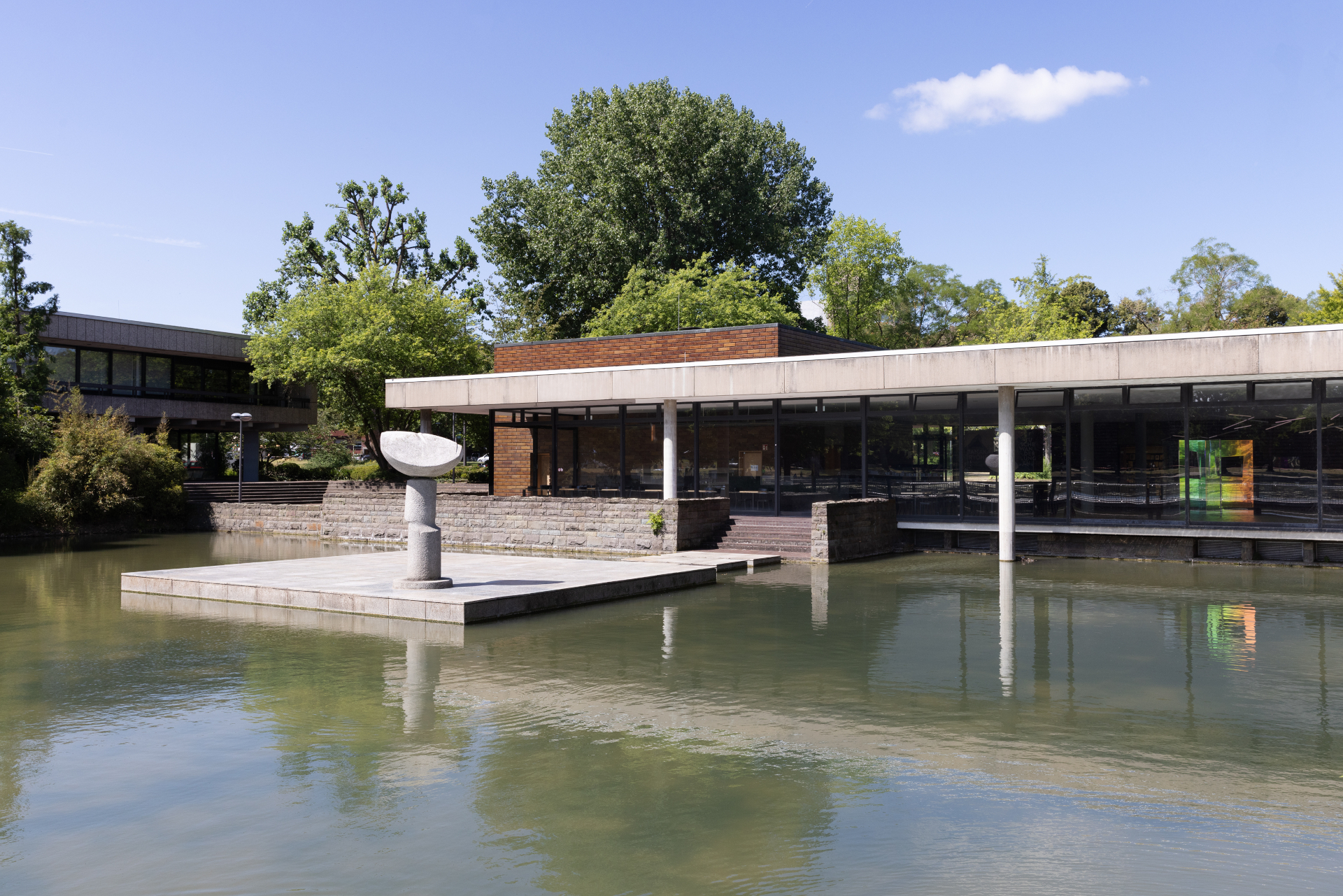
A place of tranquility in the heart of the city. Located between Aachener Weiher and the Inner Green Belt, the Museum of East Asian Art offers a respite from city life. Here, time seems to pass more slowly. Those who cross the threshold leave the hustle and bustle of the city behind for a few hours and enter a contemplative total work of art comprising minimalist architecture, a Zen garden, and centuries-old art.
As Europe’s oldest museum of East Asian art and Germany’s only specialized museum of its kind, the institution has been offering a window onto China, Japan, and Korea since 1913. It was founded by the collector couple Frieda and Adolf Fischer. With remarkable foresight, they pursued the goal of presenting East Asian art as equal to European art. This was a revolutionary idea at the beginning of the 20th century, one that continues to shape the museum’s identity to this day.
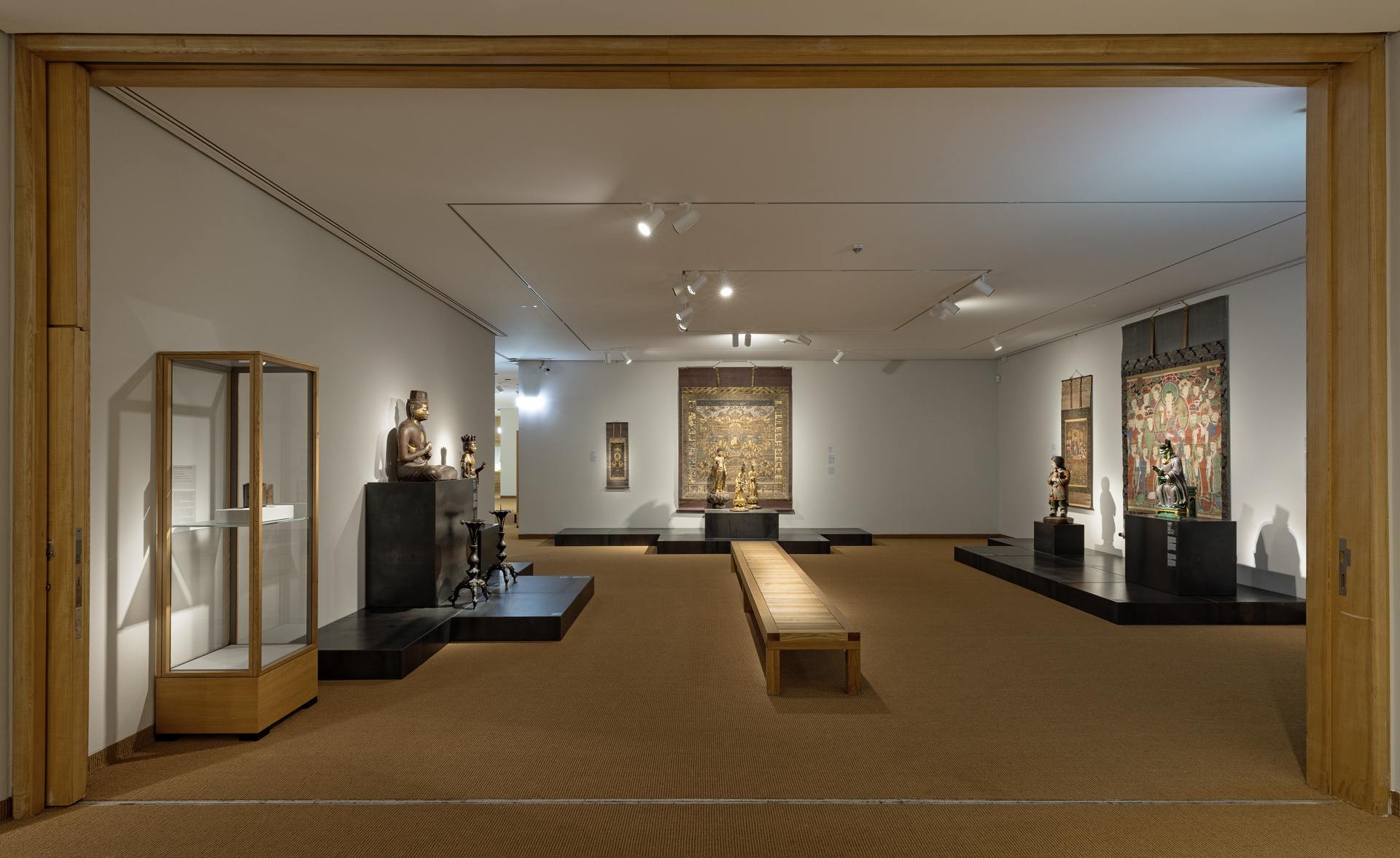
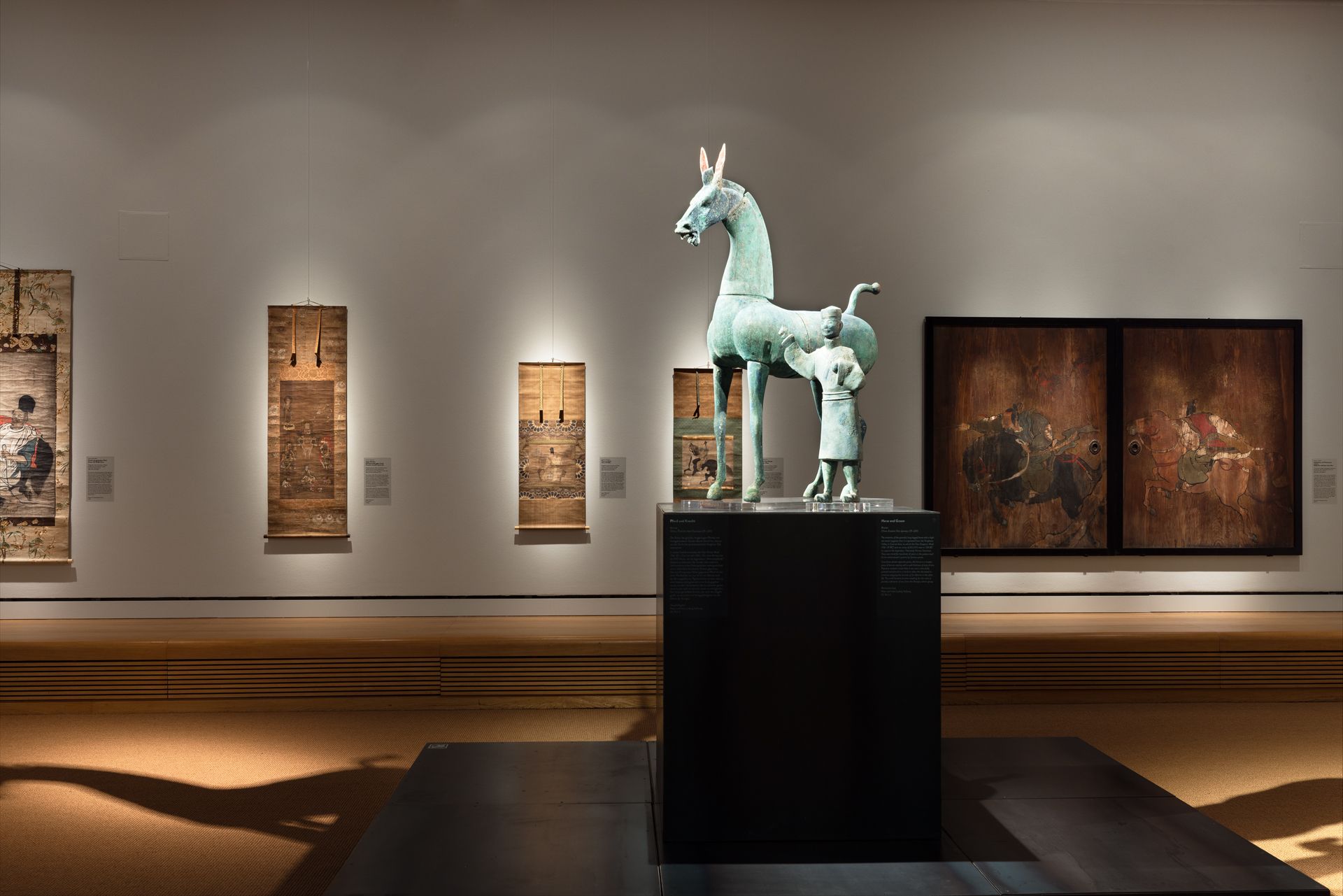
The collection spans from the Neolithic period to the present day and is considered the most significant archive of Chinese, Japanese, and Korean art in Germany. Buddhist scroll paintings are displayed alongside wooden sculptures, while masterful calligraphic works stand next to the finest color woodblock prints and Japanese folding screen paintings. Sacred bronze objects, Chinese lacquerware, ceramics, and precious porcelain bear witness to centuries-old traditions of craftsmanship. Changing special exhibitions complement the collection by offering new perspectives on historical and contemporary trends, making it clear that East Asian art is not a closed chapter here, but rather a living cultural dialogue.
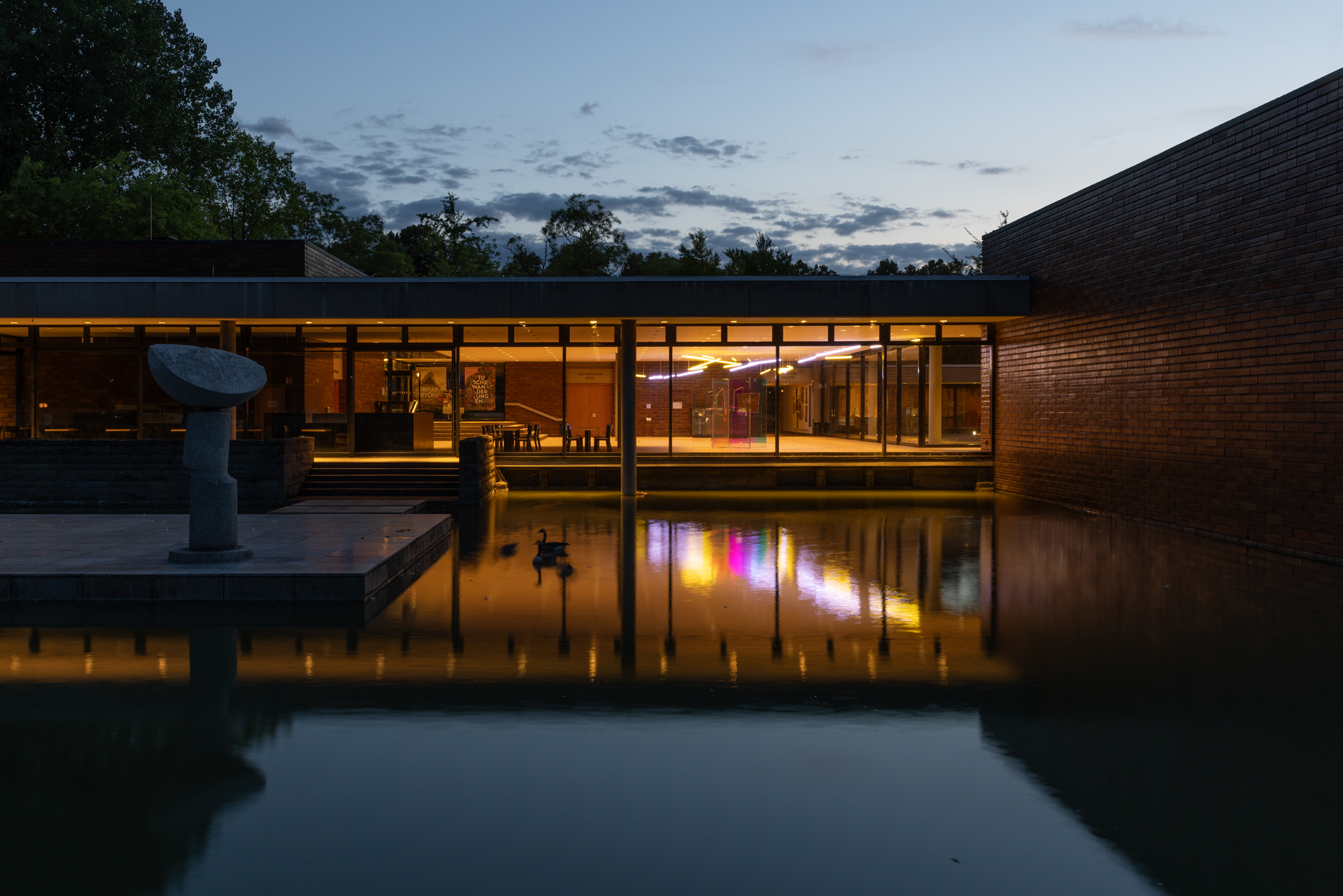
The museum building, a designated historic landmark, is also part of the overall experience. After the original building was destroyed in bombing raids in 1944, a new building was constructed on the Aachener Weiher and opened in 1977. The design by Japanese architect and Le Corbusier student Kunio Maekawa (1905–1986) combines the clarity of Modernism with traditional elements of Japanese architecture. Simple structures are grouped around a central courtyard and blend harmoniously into the surroundings.
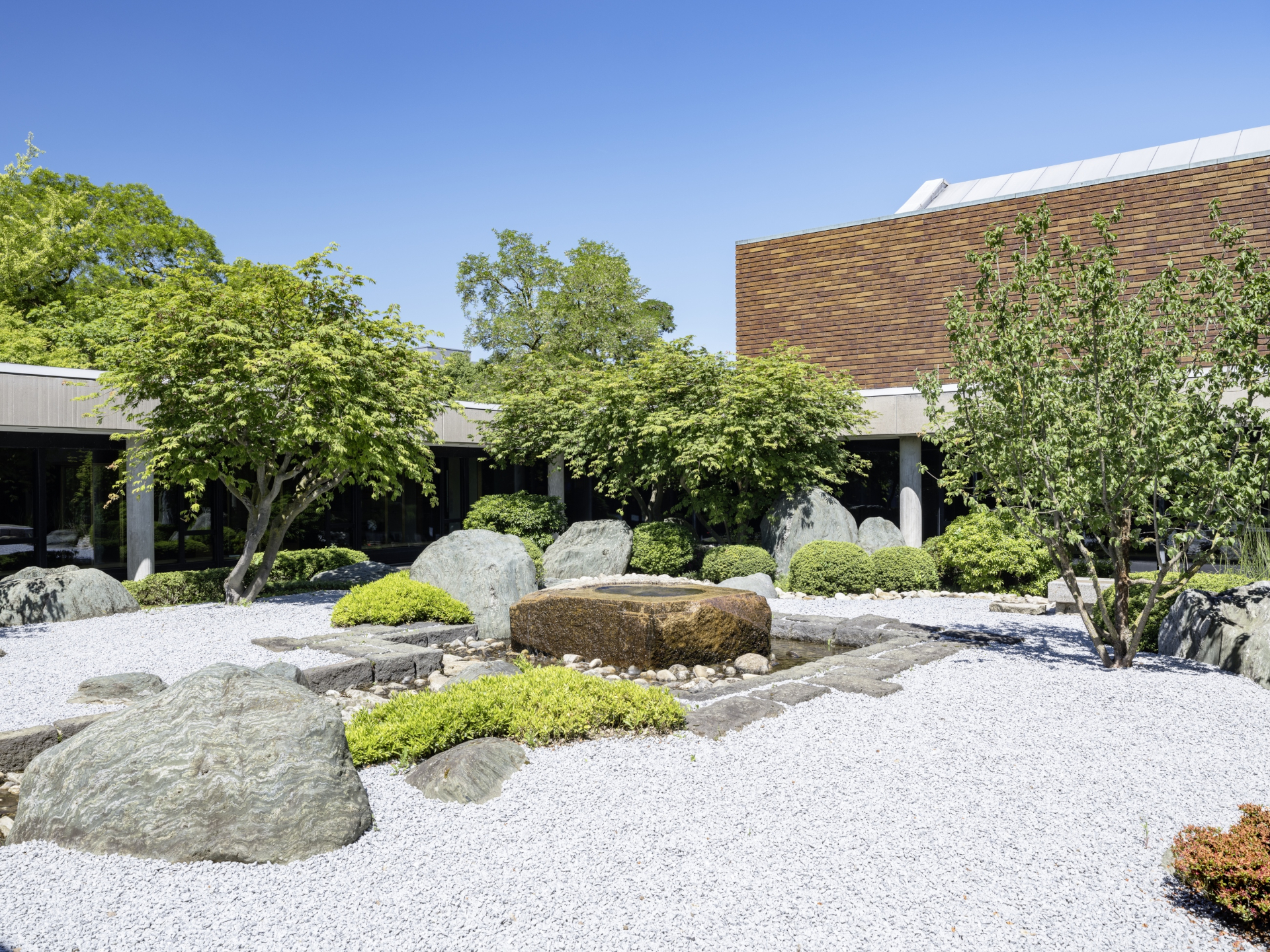
The complex also includes the Japanese contemplation garden by sculptor Masayuki Nagare (1923–2018), which is modeled after traditional meditation gardens. Following a comprehensive redesign, it will reopen to visitors in the fall of 2026, adding another place of contemplation to the museum.
Those who wish to end their visit on a relaxed note will find a lively gathering place in the newly designed Café UME, which overlooks the Aachener Weiher. The name refers to the Japanese plum blossom, which is considered a symbol of new beginnings, beauty, and endurance. This idea is also reflected in the café’s concept. The modern fusion cuisine combines European café classics with Vietnamese specialties such as summer rolls or bánh mì. Whether you’re touring the collection, strolling through the Japanese landscape garden, or enjoying a cup of matcha at Café UME, the Museum of East Asian Art invites you to leave everyday life behind for a while.