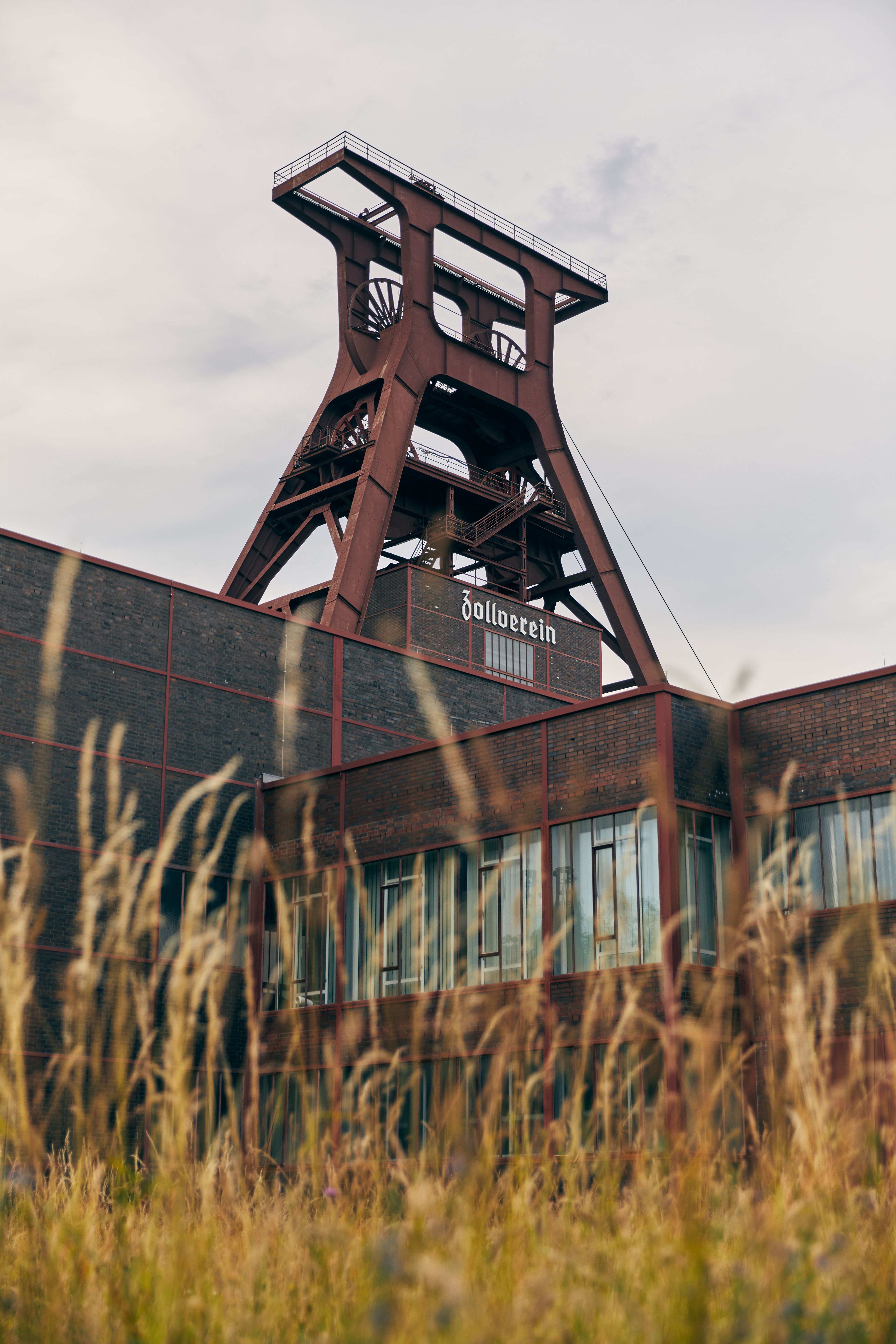
In the past, people toiled here; today, the Zollverein World Heritage Site offers industrial culture at its finest: art, concerts, festivals, and sports facilities come together against an impressive backdrop.
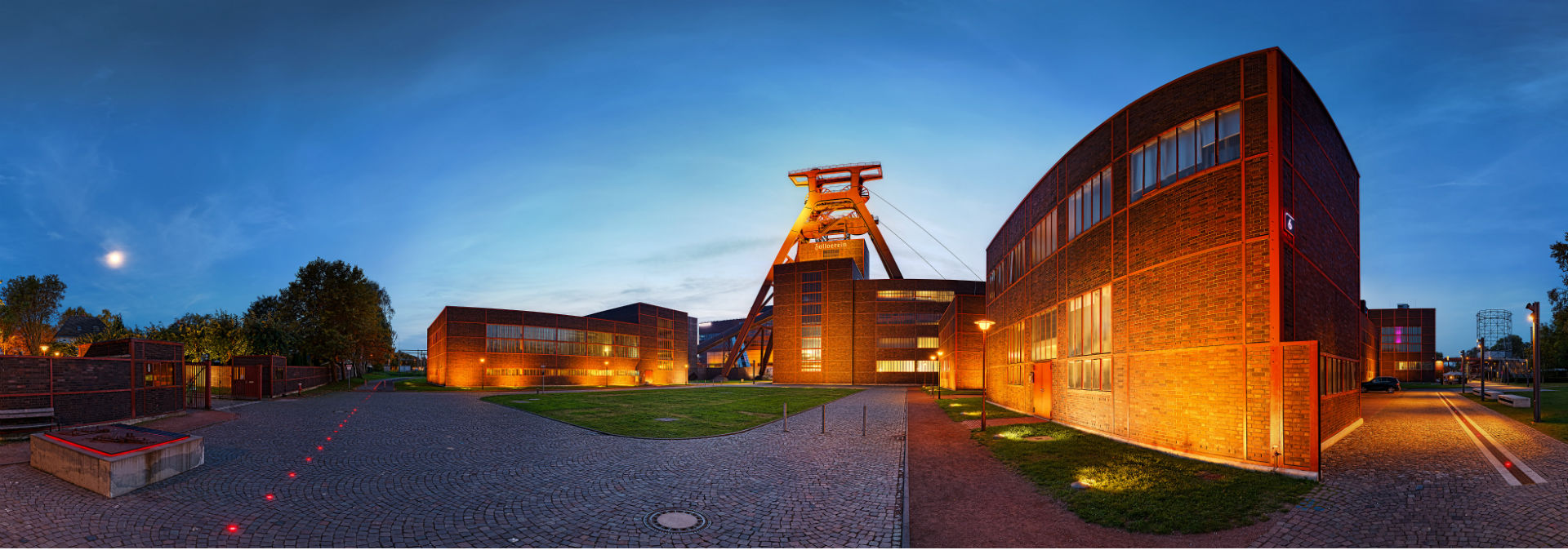
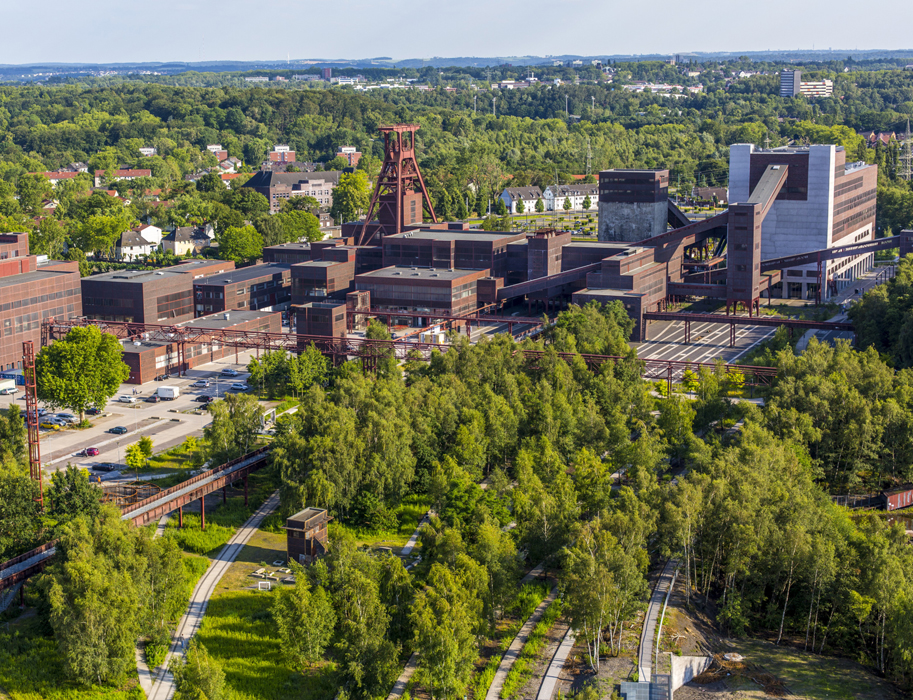
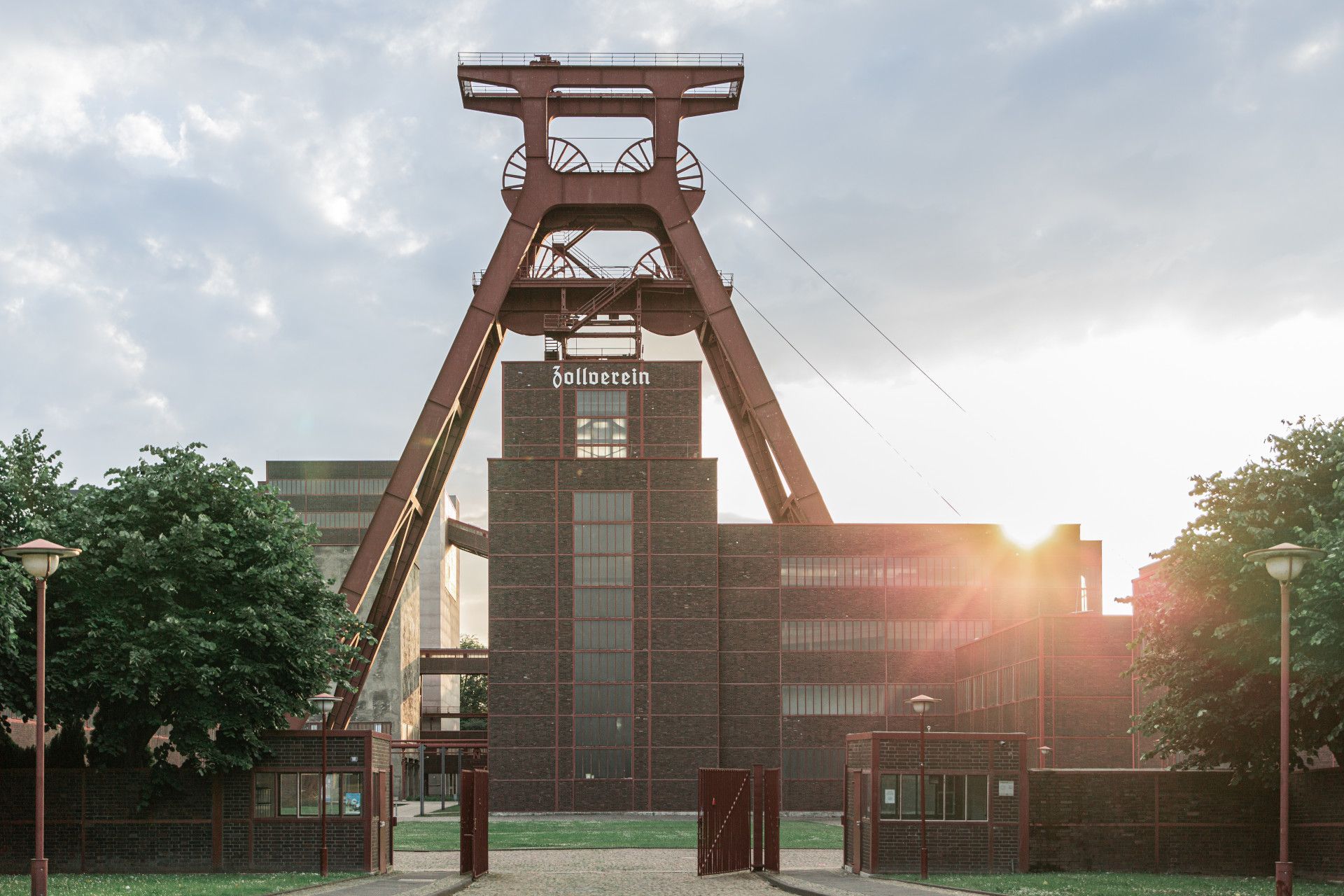
The Zollverein Coal Mine and Coking Plant industrial complex, designated a UNESCO World Heritage Site in 2001, is considered one of the most impressive industrial monuments in the world. Since the last shift in 1986, Zollverein has transformed into a hub for art, culture, and the creative industries, attracting around 1.5 million visitors annually. As such, it symbolizes the structural transformation of the Ruhr Metropolis like no other structure.
The World’s Largest Coal Mine
During its active industrial period, the Essen coal mine was the largest hard coal mine in the world, and its coking plant was larger than any other in Europe. In addition to its extraordinary size, however, the architecture of the Zollverein complex is also outstanding—it is not for nothing that Zollverein is also called the most beautiful coal mine in the world. The famous Doppelbock headframe is today the Ruhr region’s best-known landmark and a symbol of the industrial culture of an entire region.
Heritage Trail and Museums
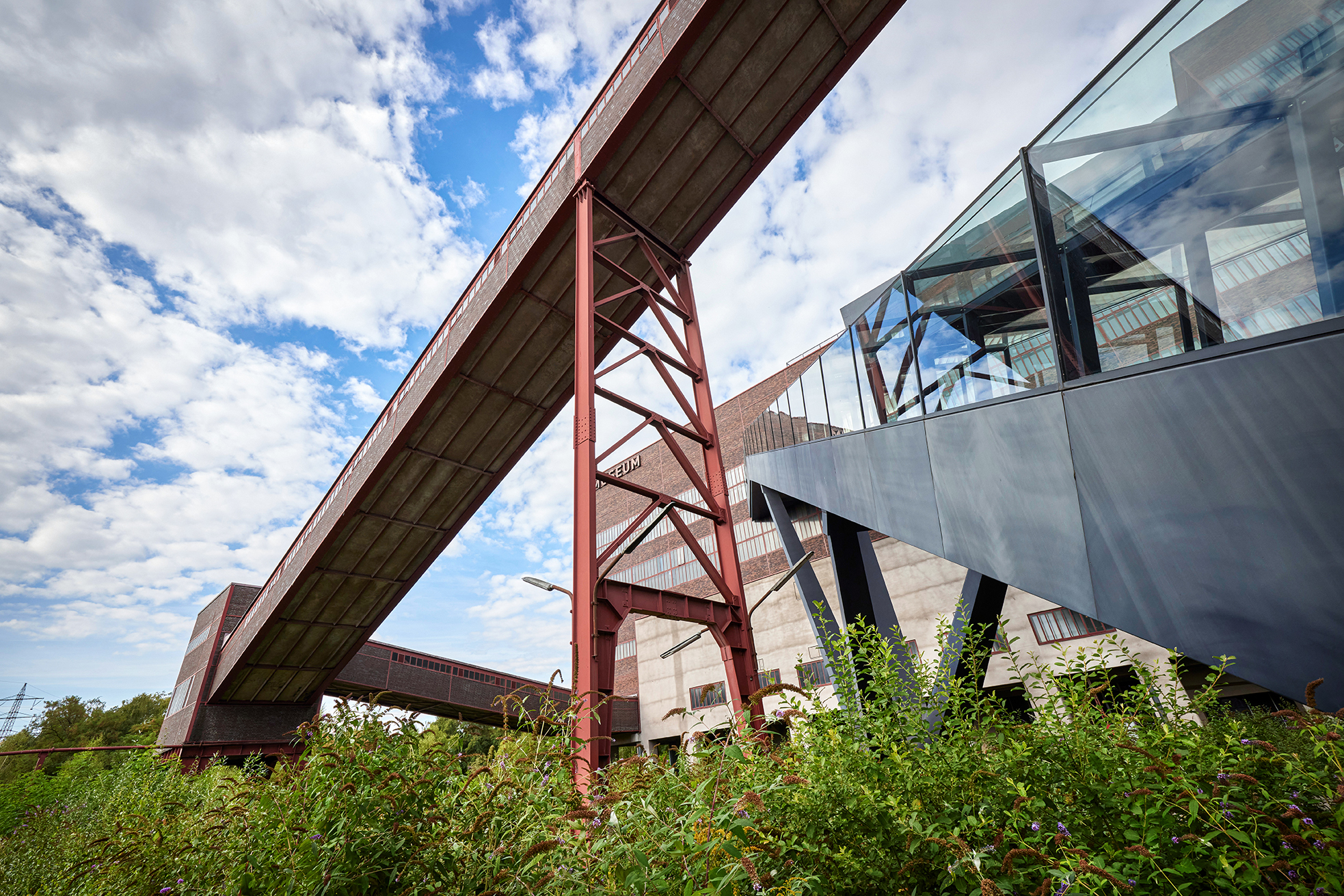
The numerous guided tours along the Zollverein Heritage Trail offer a particularly good insight into the era when the facilities were still in operation. Passing by massive, idle machines, visitors follow the “Coal Trail” through the mine’s surface facilities and the coking plant’s production areas. Those who want to learn even more about life and daily routines in the Ruhr region can explore multimedia exhibits and watch a 360° film at the Portal of Industrial Culture, located in the former coal washing plant. A footbridge connects the Portal to the authentically preserved section of the Zollverein Shaft XII facility. Passing by machinery and conveyor belts, the path leads to the observation deck on the roof of the coal washing plant, which offers an impressive view of the Ruhr region.
Imposing orange escalators take visitors up to the Ruhr Museum, where they can learn even more about the history and present-day life of the Ruhr region through the identity-defining permanent exhibition or the spectacular temporary exhibitions. The various exhibition levels, where the region’s natural and cultural history is presented, are connected by staircases that appear to glow red-hot.
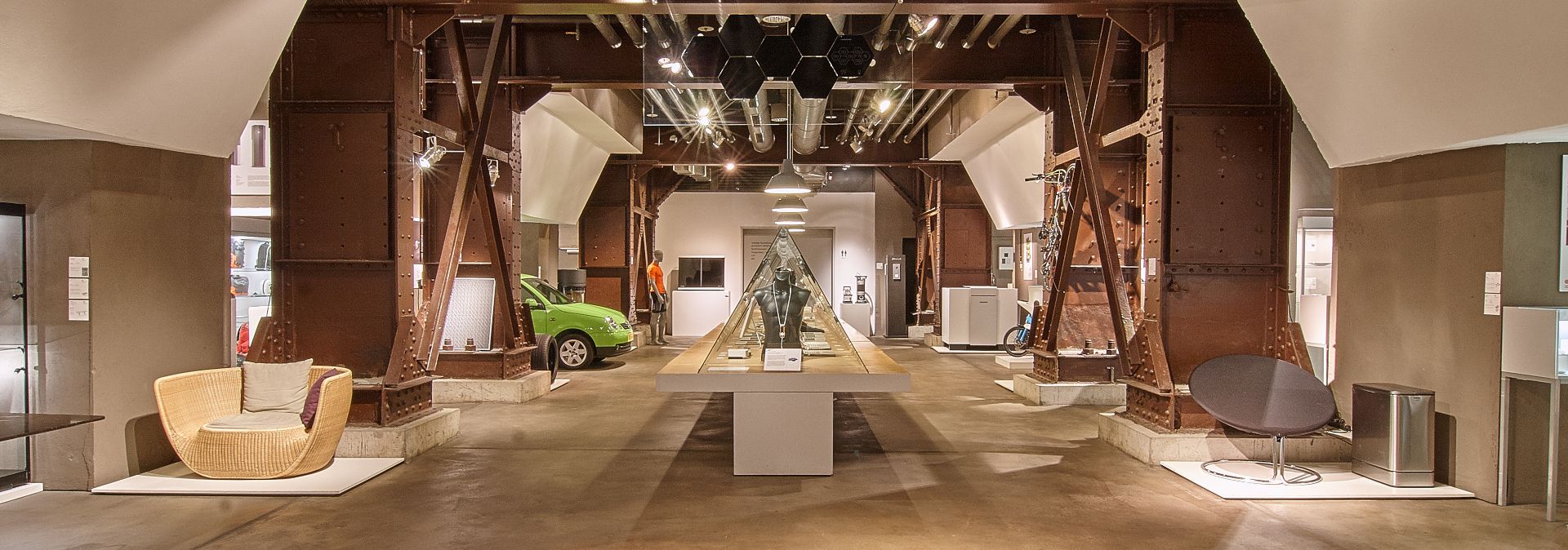
Design enthusiasts will also be thrilled by the Red Dot Design Museum, located in the boiler house—renovated by star architect Norman Foster—which is also situated on the Zollverein site. Against this inspiring industrial backdrop, visitors can discover some 2,000 objects distinguished by their outstanding design.
Festivals and Concerts
Especially in the summer, the World Heritage site hosts numerous events such as concerts, open-air movies, and a gourmet festival. Other highlights include the contemporary art ruhr (C.A.R.) art fair as well as festivals like Extraschicht and the Ruhrtriennale.
Nature from Around the World
Amid the massive eye-catchers made of steel and stone, there are small attractions that often go unnoticed until you take a closer look: Plants from all over the world have taken root on the brownfield sites. Buddleia and Japanese knotweed from Asia, black locust, evening primrose, and goldenrod from North America, and narrow-leaved ragwort from South Africa have arrived here via freight transport, carried by the wind, or brought by humans and animals.
But numerous native animal and plant species—some of them rare and protected—also live in the shadow of this UNESCO World Heritage Site. In some places, a dense stand of red oak, black alder, wild cherry, and black elderberry has developed, while in others, birches, willows, and blackberry bushes form a wild “industrial forest.” A 3.5-kilometer-long circular promenade around the Zollverein Park grounds leads cyclists, pedestrians, joggers, and nature lovers through the flora, which is partly exotic and partly native. The wetlands of the large fallow area are home to frogs, toads, and newts, which visitors can discover on a flashlight-guided tour, for example.
Sports and Discoveries
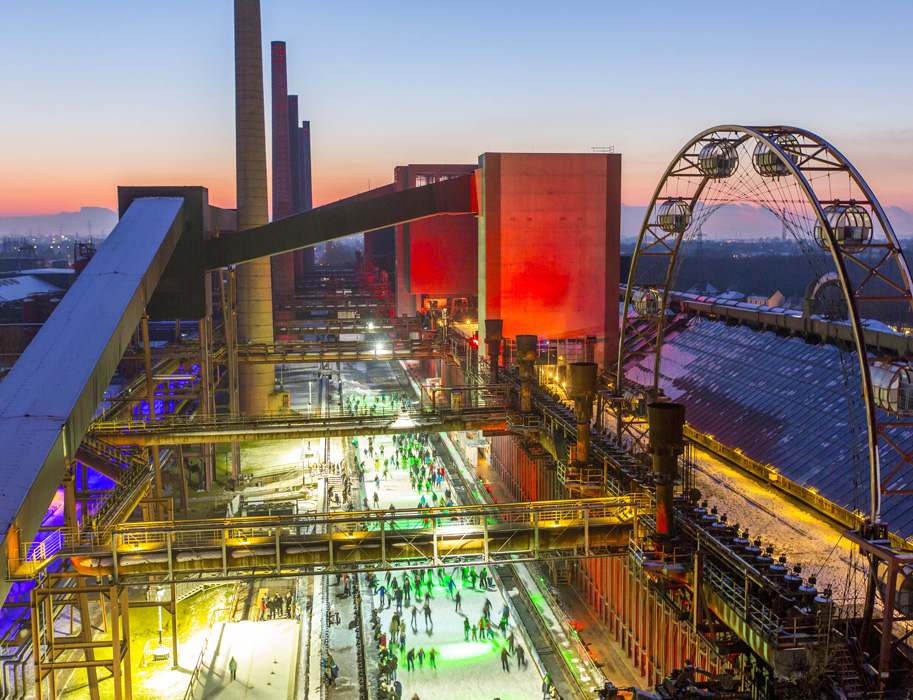
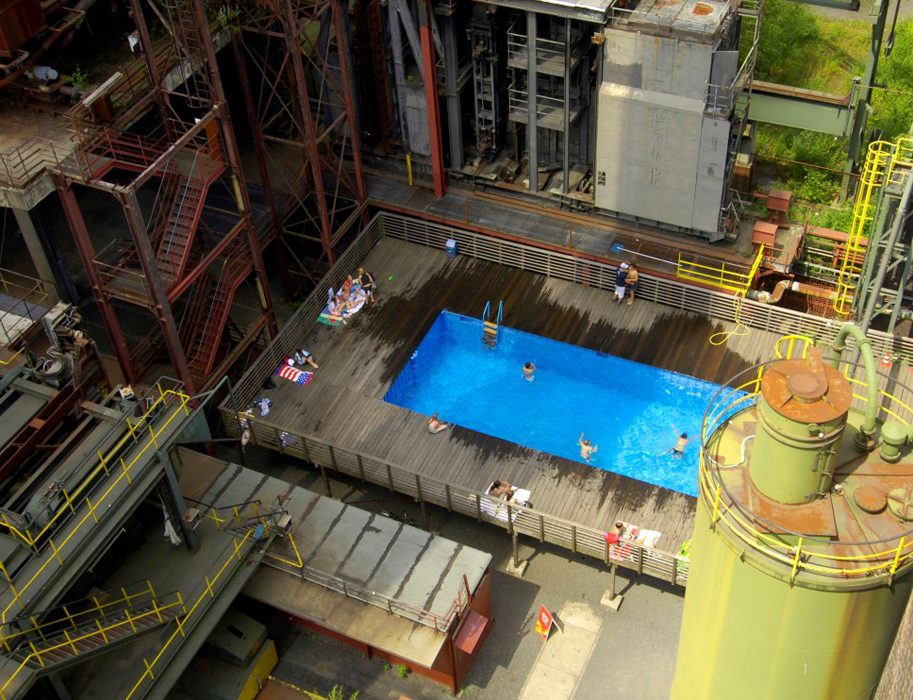
In winter, an ice rink awaits active visitors, where they can skate amidst the spectacular industrial architecture. Skating after dark becomes a truly special experience when the light installation by British artists Jonathan Speirs and Mark Major bathes the coking plant in blue and red light. In the summer, Zollverein is a magnet for anyone looking to cool off, as visitors can take a dip in the free factory swimming pool during the NRW summer break. The pool was created in 2001 as part of an art project using two welded-together shipping containers and was originally intended for just one swimming season. However, due to its great success, it now opens every summer.
If you get hungry while you’re there, don’t miss a visit to the Casino Zollverein restaurant. The interior alone makes it worth a visit: tall concrete walls and relics from the industrial past are combined here with wood, mirrors, and chandeliers. The menu features miners’ fare, reinterpreted at a high culinary level.