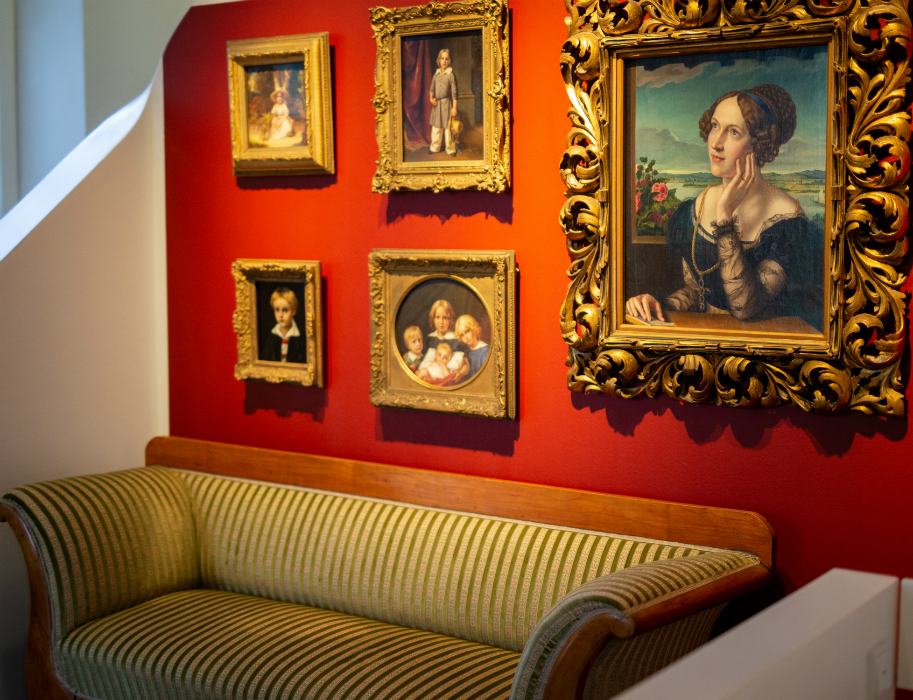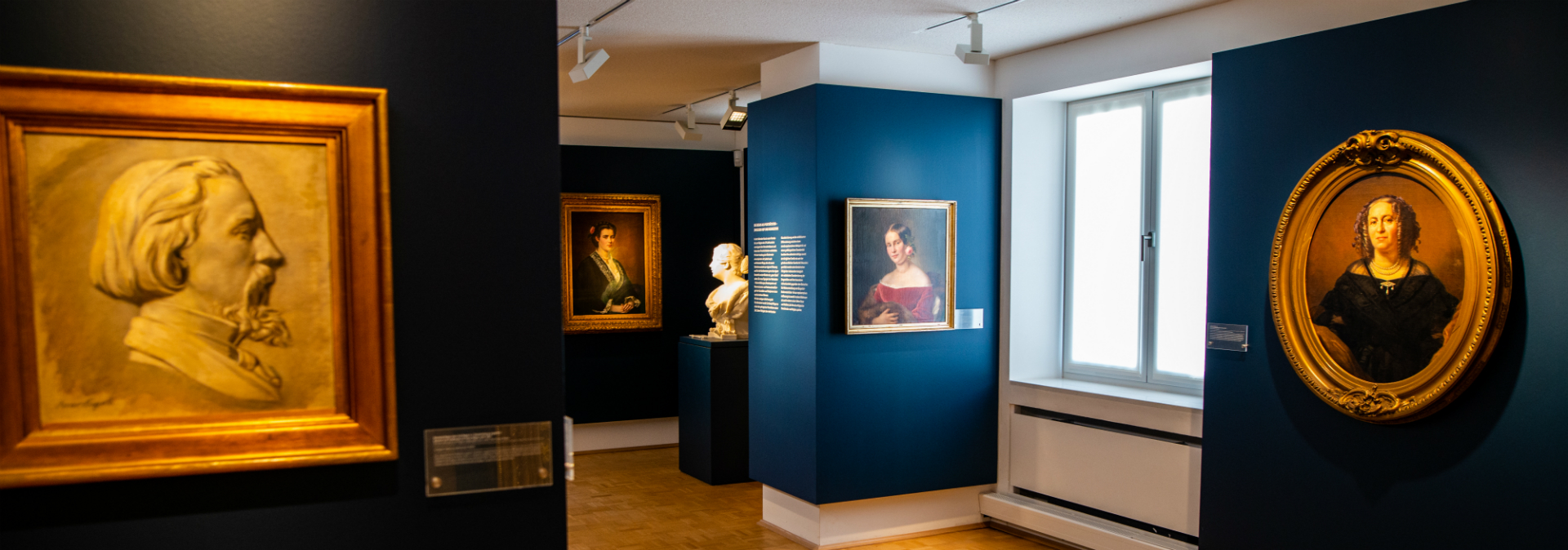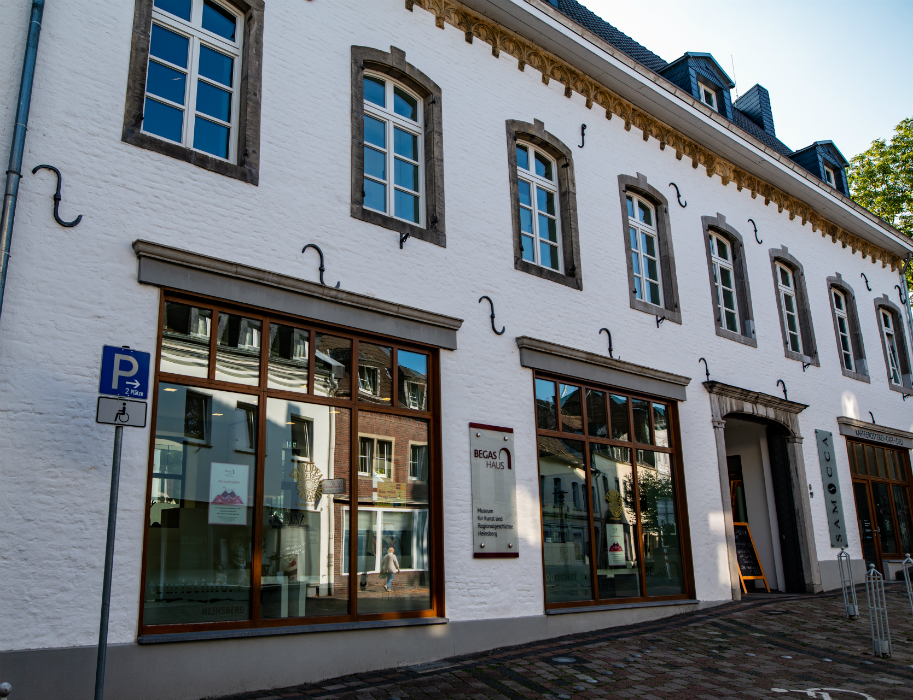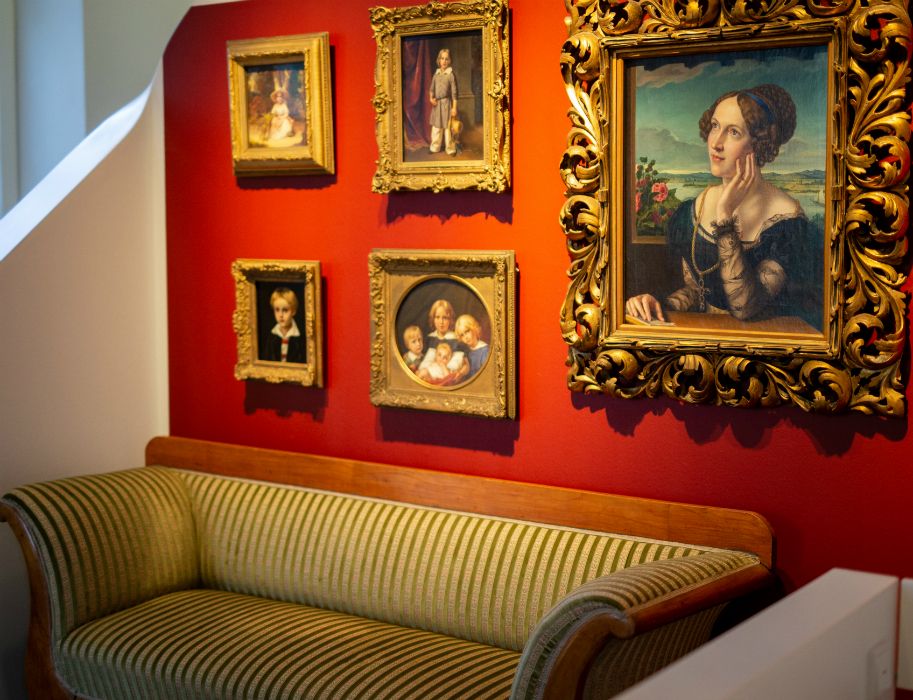
Born in Heinsberg in 1794, Carl Joseph Begas the Elder was the founder of an artistic dynasty that remained active until the 1950s. At the Begas Haus, the Museum of Art and Regional History in Heinsberg, these four generations are brought together under one roof.
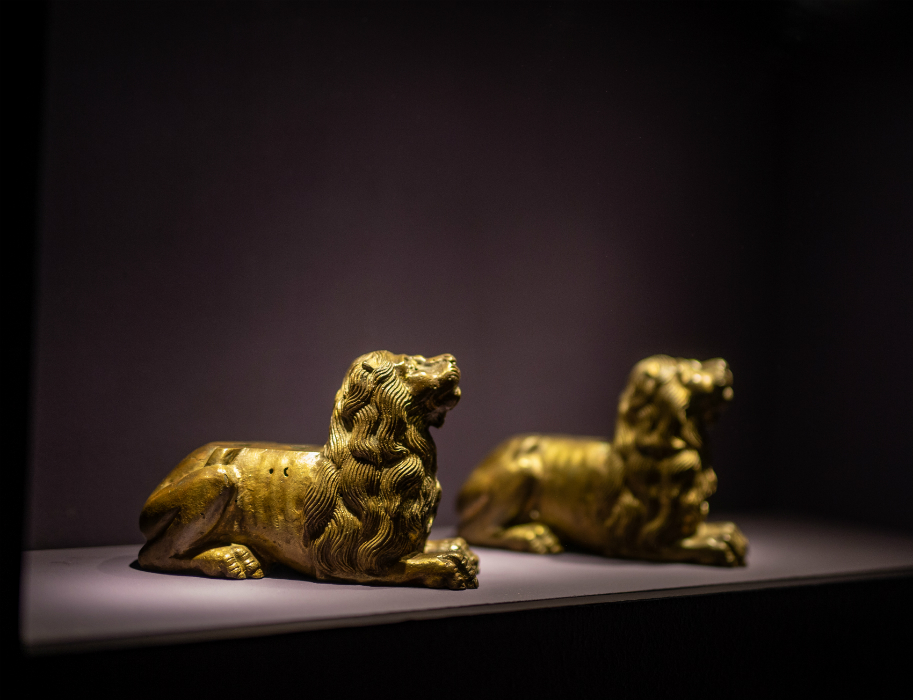
Two collections form a unified whole at the Begas Haus. In addition to housing Germany’s largest collection of paintings, sculptures, and prints by the Begas family of artists, the museum’s regional history section also sheds light on the eventful past of this culturally rich region between the Rhine and Meuse rivers. Unique historical objects and documents, as well as precious Christian religious art and furnishings from various eras—ranging from the Middle Ages through the Baroque to the Biedermeier period—place the lives and works of four generations of this artistic dynasty in their historical context.
A special “treasure” for visitors interested in local history is the “citizens’ register” of the city of Heinsberg. After being restricted for a long time to only select experts due to its poor condition, museum visitors can now digitally search this unique source of the city’s history.
In the permanent exhibition, housed in a historic complex of buildings dating from the 16th to the 18th centuries, visitors are also encouraged to get actively involved. The focus here is on major works by a total of 10 painters and sculptors from the Begas family, spanning a period from Romanticism through the cult of monuments in the German Empire all the way to the 1950s. Above all, however, museum visitors learn a great deal about the history of this artistic dynasty and can explore digitally which generation was more successful and which was less so. And anyone who discovers their own artistic streak during the tour can immediately try their hand at a (fictional) entrance exam for the art academy right there in the museum.