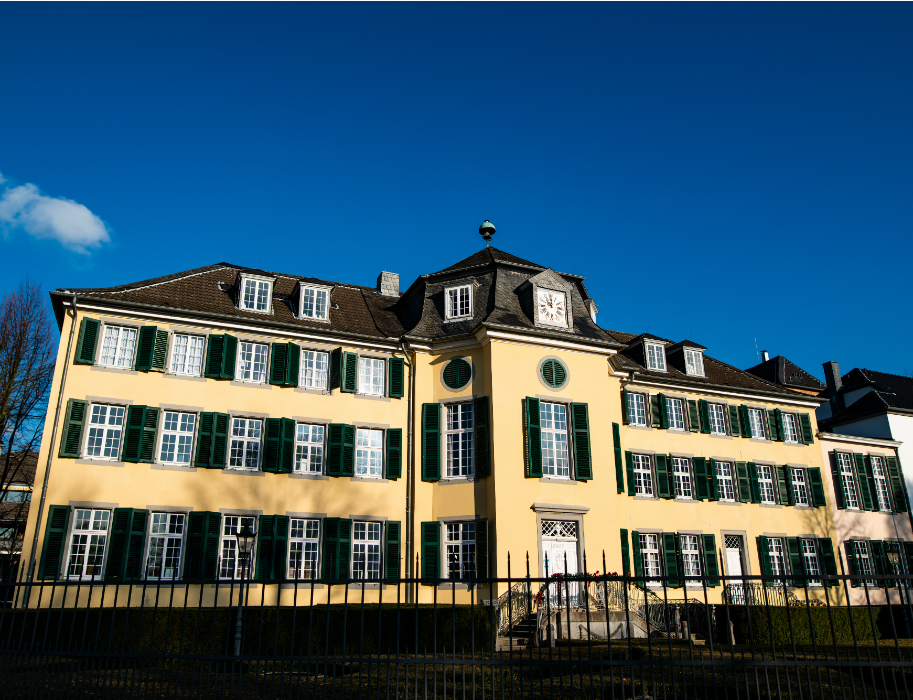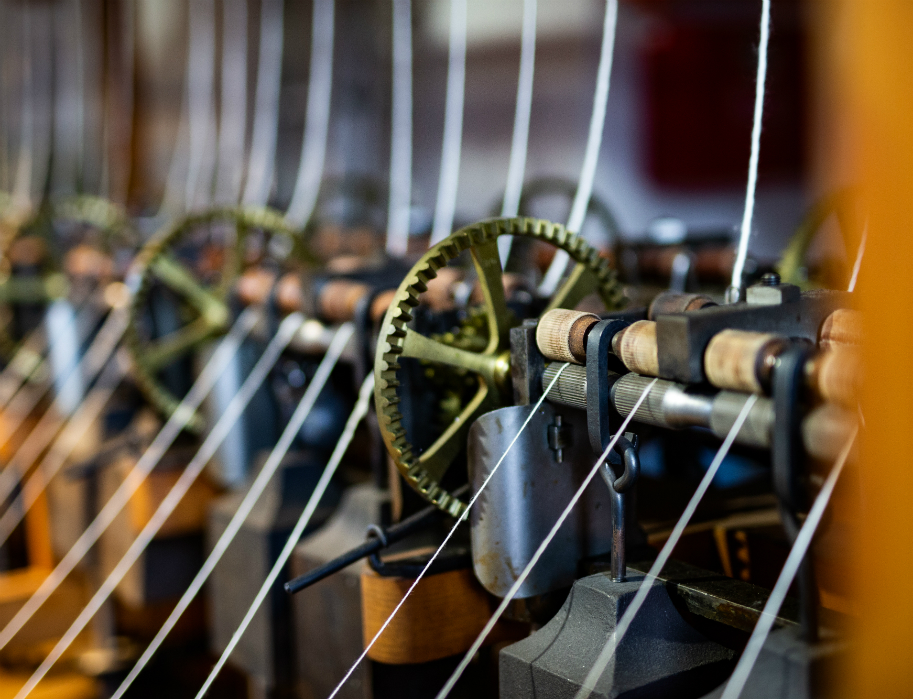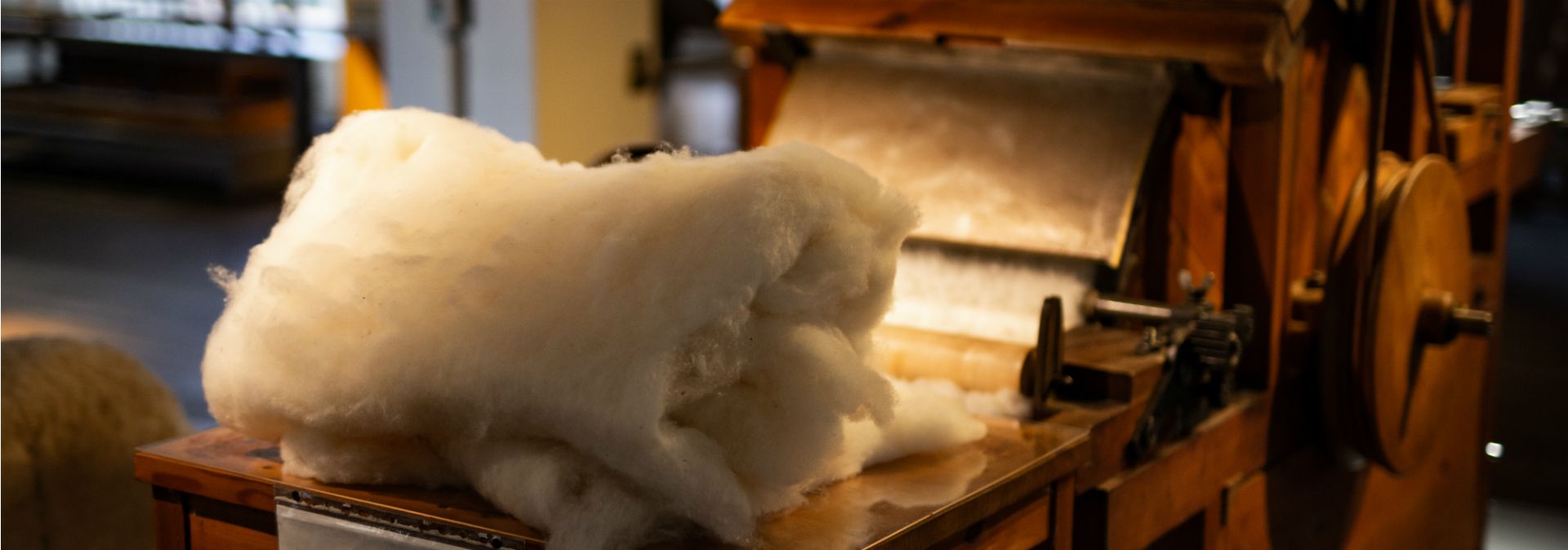
The cotton mill in Ratingen is considered the first factory on the European continent. Built in 1783–84 by the Wuppertal entrepreneur Johann Gottfried Brügelmann, this early-industrial facility remains almost entirely intact. The Cromford Textile Factory shows visitors the process of transforming raw cotton into finished yarn using faithful replicas of 18th-century machinery.
Johann Gottfried Brügelmann was a resourceful entrepreneur. When he learned in the late 18th century of the development of the so-called “water frames” by the Englishman Richard Arkwright, he sent his own people to Cromford, England, to obtain blueprints and models of the first fully mechanical spinning machine. The result of this act of industrial espionage can still be seen today in Ratingen, the “German Cromford”: at the LVR Industrial Museum, Cromford Textile Factory. Nestled within an English-style landscape park is the Hohe Fabrik, where visitors can once again witness firsthand how the waterwheel-driven spinning machines spin cotton into fine threads.
Exporting Yarn Around the World
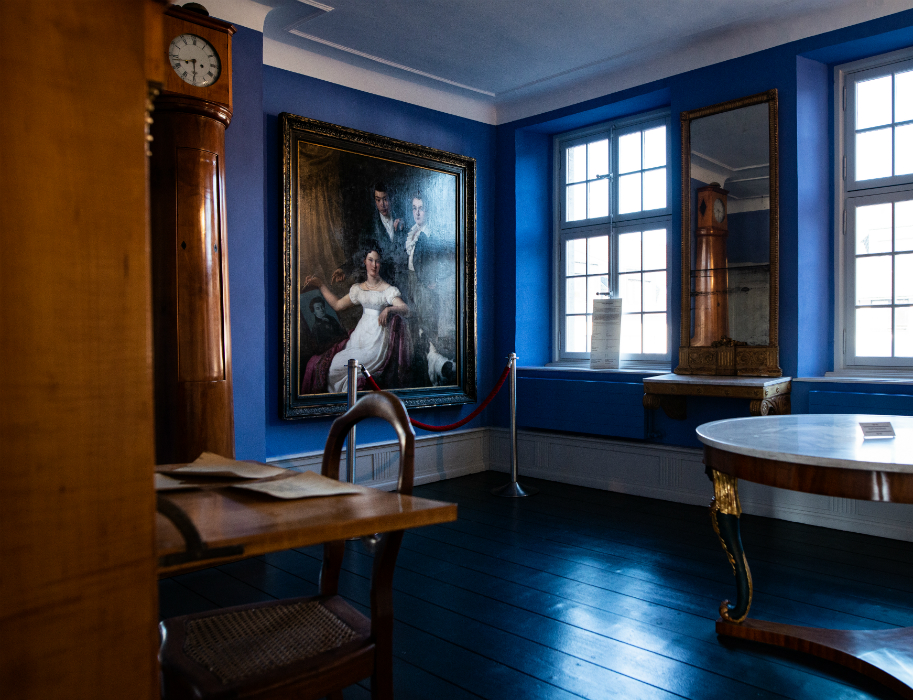
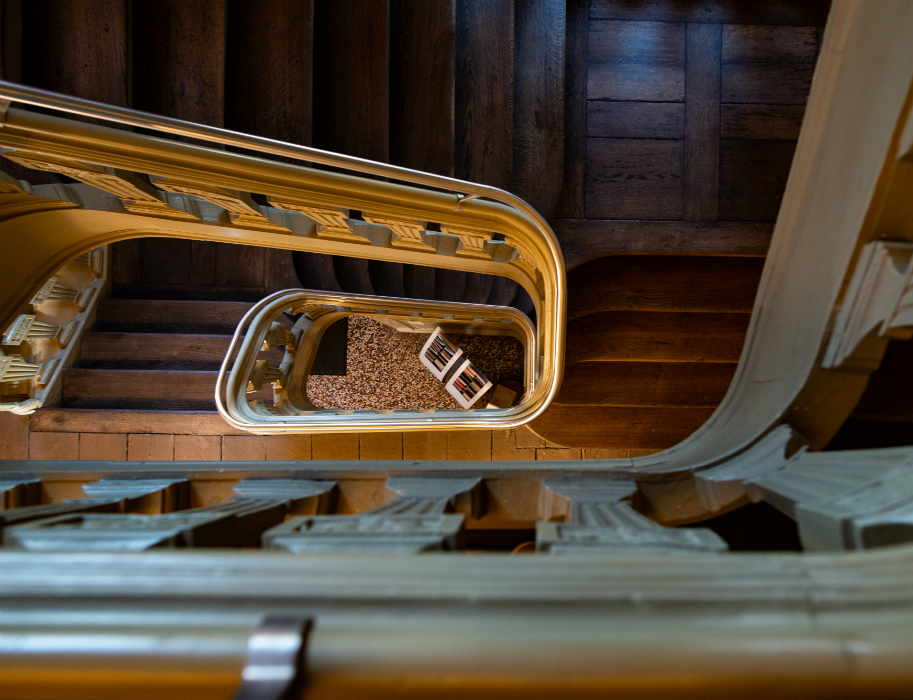
Founding his factory brought Brügelmann considerable wealth. The yarn manufacturer became one of the most successful entrepreneurs in the Bergisches Land region and soon supplied his yarn to customers throughout Germany and around the world. The magnificent mansion, which Brügelmann had built right next to the factory in the style of a late Baroque nobleman’s pleasure palace, bears witness to the factory owner’s family’s lavish lifestyle. Many exhibits—from the stately desk to the classical landscape paintings—and the two-story garden hall reflect the stately life in the “control center” of Germany’s oldest factory.
Next door, in the five-story “Hohe Fabrik,” it was primarily women and children who were exposed to the dangerous work at the machines—with their sharp teeth, open gears, and drive belts—as well as to the cotton dust. Visitors get a vivid sense of their daily lives when the large waterwheel slowly begins to turn and the monotonous whirring and clattering of the spindles sets in.
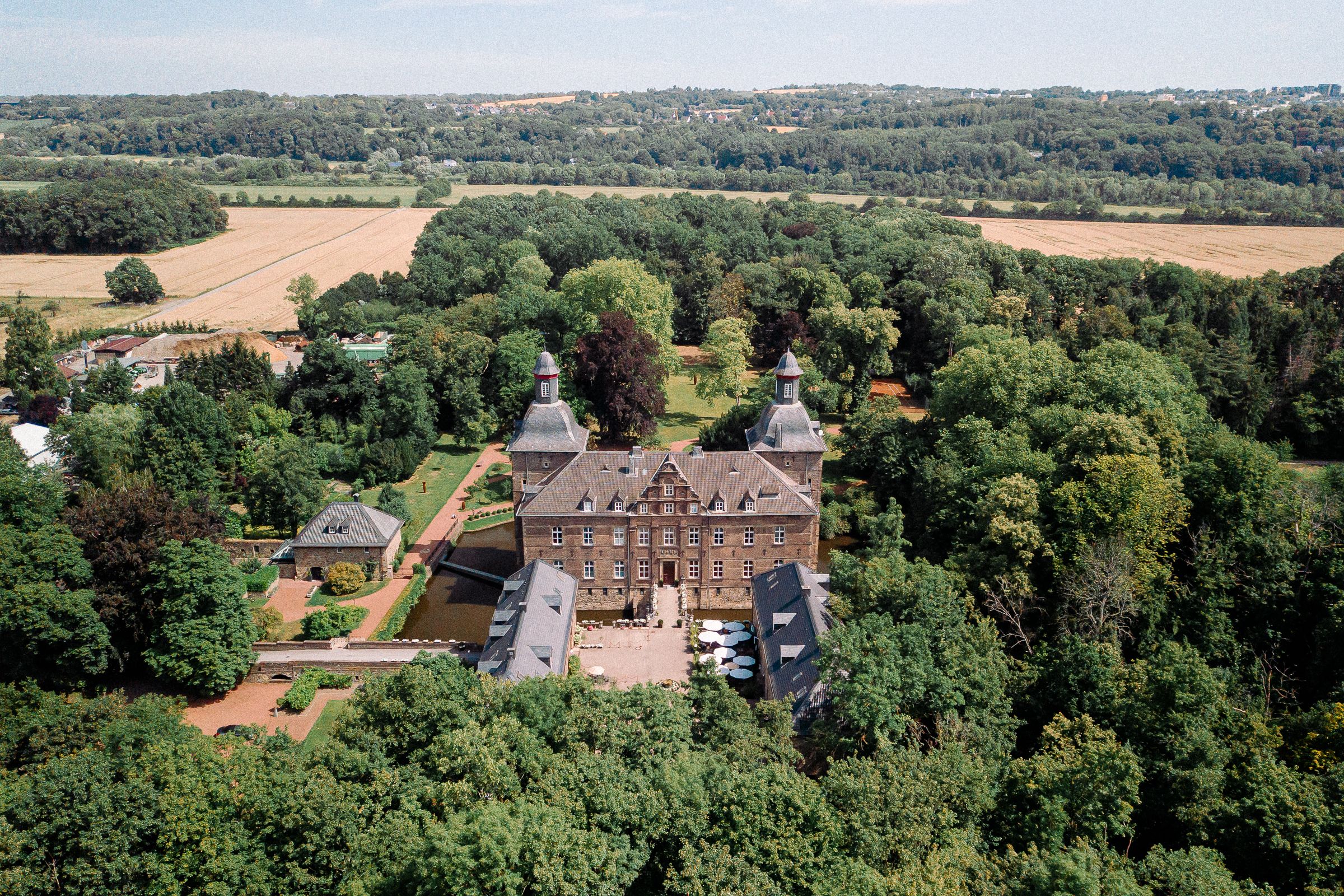
By the way: It would be a real shame to visit only this manor house. North Rhine-Westphalia is the state with the most castles, fortresses, and stately estates in Germany. To make your choice easier, we’ve found the perfect counterpart to Cromford Manor: Hugenpoet Castle. Learn more about this pair here.